
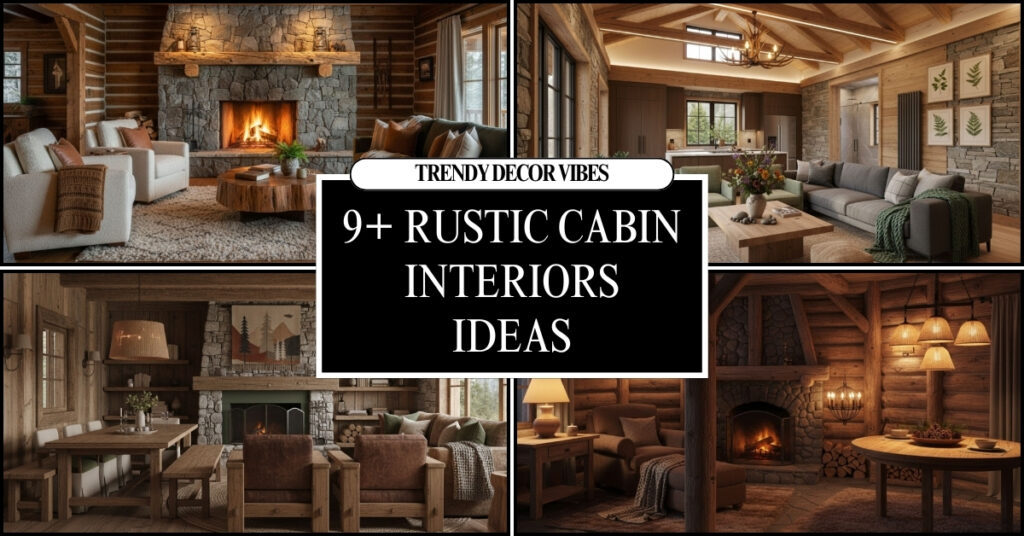
Rustic cabin interiors capture the beauty of nature, simplicity, and warmth, creating homes that feel comforting and timeless. Inspired by mountain lodges, woodland retreats, and countryside cabins, this interior style embraces raw materials, earthy colors, and handcrafted details. Rustic cabin interiors are not just about aesthetics; they are about creating a peaceful escape from modern chaos where every element feels grounded and authentic.
From exposed wooden beams to stone fireplaces and cozy textiles, rustic cabin interiors celebrate imperfection and natural beauty. Whether you live in a countryside cabin or want to bring that charm into a city home, these design ideas help you create spaces that feel inviting, warm, and deeply connected to nature.
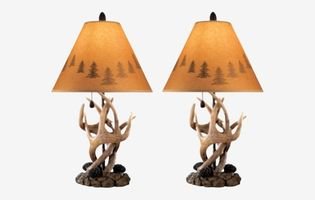
Ashley Derek Rustic Cabin Antler Lamp Set
- Material Resin
- Bulb Base E26
- 5.25″D x 5.25″W x 24.25″H
- Weight 11 Pounds
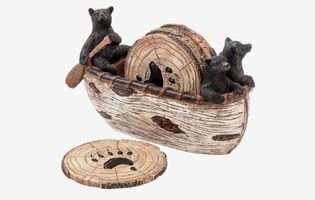
Bear Coasters Set of 6 Full Size Rustic Coasters
- Material Pewter, Metal,
- Color Brown Gray
- Shape Round
- Hand Wash Only
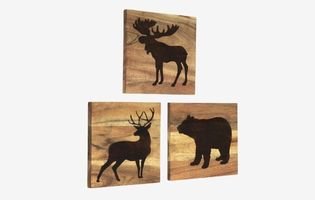
Wooden Cabin Decor with Bear, Deer and Moose
- Color Earth Tones
- Material Wood
- Pattern Rustic
- Wall Art Plaque
1. Natural Wood Elements That Define Authentic Rustic Cabin Interiors
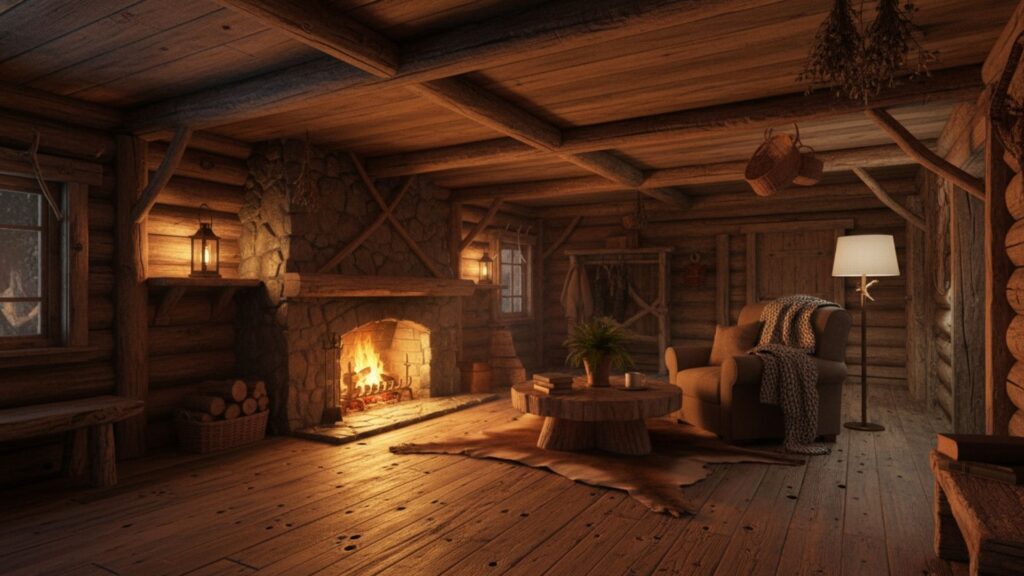
Natural wood is the foundation of rustic cabin interiors, bringing warmth and character into every room. Exposed ceiling beams, wooden walls, plank floors, and log accents create a strong connection to nature. Whether it’s reclaimed barn wood or rough-sawn timber, these materials add texture and depth while making the space feel grounded and timeless.
Different wood tones can be layered to avoid a flat look. Dark beams paired with lighter wood floors or walls create contrast while maintaining harmony. The beauty of rustic cabin interiors lies in visible grain, knots, and imperfections, which add authenticity and charm rather than striving for polished perfection.
2. Stone Fireplaces as the Heart of Cozy Rustic Cabin Living Spaces
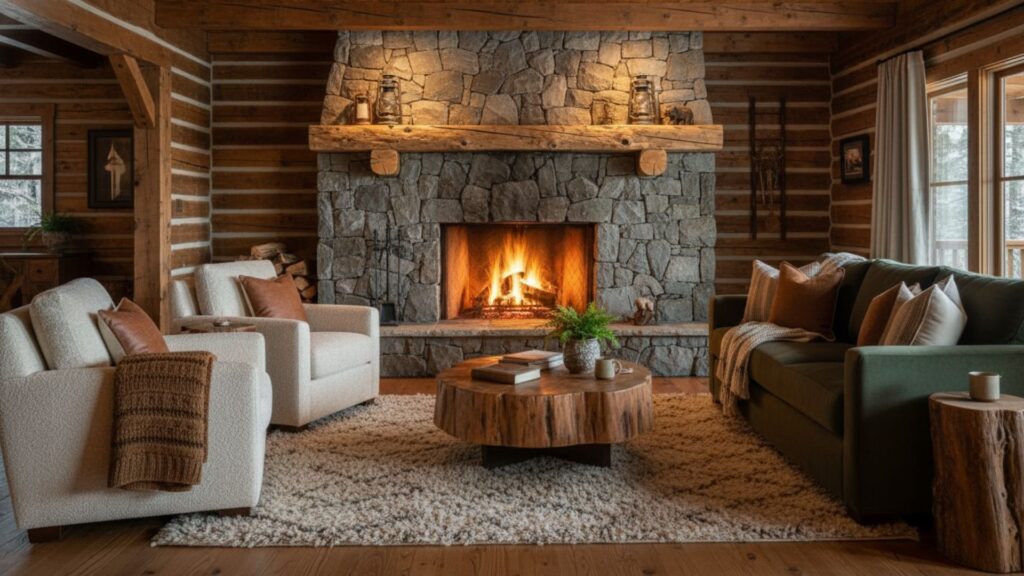
A stone fireplace is often the centerpiece of rustic cabin interiors, instantly creating warmth and visual impact. Natural stone, stacked rock, or river stone designs bring an organic element that balances wooden surfaces beautifully. The fireplace not only adds charm but also becomes a gathering point for family and guests.
To enhance the rustic feel, pair the fireplace with a chunky wooden mantel or hand-carved details. Even in modern cabins, a stone fireplace anchors the space, blending old-world charm with contemporary comfort. Rustic cabin interiors feel incomplete without this cozy focal feature.
3. Warm Earthy Color Palettes Inspired by Nature and Outdoor Landscapes
Color plays a vital role in shaping rustic cabin interiors. Earthy tones such as warm browns, deep greens, soft beiges, charcoal grays, and muted rust shades reflect natural landscapes. These colors create a calming environment and enhance the cozy atmosphere cabins are known for.
Instead of bright or bold hues, rustic interiors rely on layered neutrals and subtle contrasts. Walls in warm neutrals paired with darker wood furniture or stone accents maintain balance. This color approach allows rustic cabin interiors to feel inviting, relaxed, and naturally elegant without overwhelming the space.
4. Comfortable Rustic Furniture That Blends Function and Natural Beauty
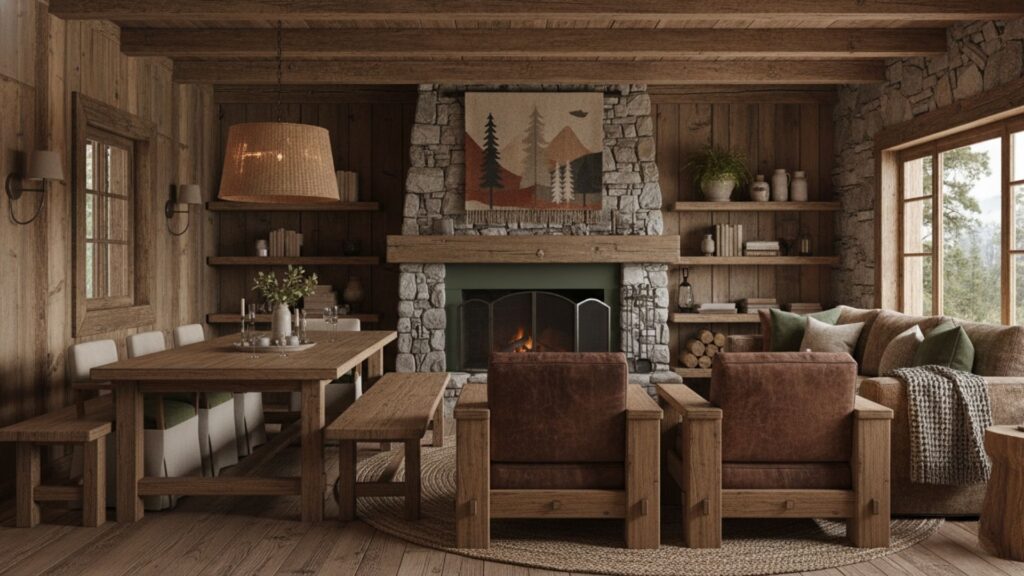
Furniture in rustic cabin interiors prioritizes comfort, durability, and natural materials. Solid wood sofas, leather armchairs, farmhouse tables, and handcrafted benches create a lived-in, welcoming feel. These pieces often feature simple shapes, thick frames, and visible craftsmanship.
Soft furnishings like oversized sofas, deep armchairs, and wooden coffee tables encourage relaxation. Rustic furniture is not overly refined; instead, it feels sturdy and practical. This balance of comfort and strength is what makes rustic cabin interiors perfect for long stays and relaxed living.
5. Layered Textiles That Add Warmth and Softness to Rustic Cabins
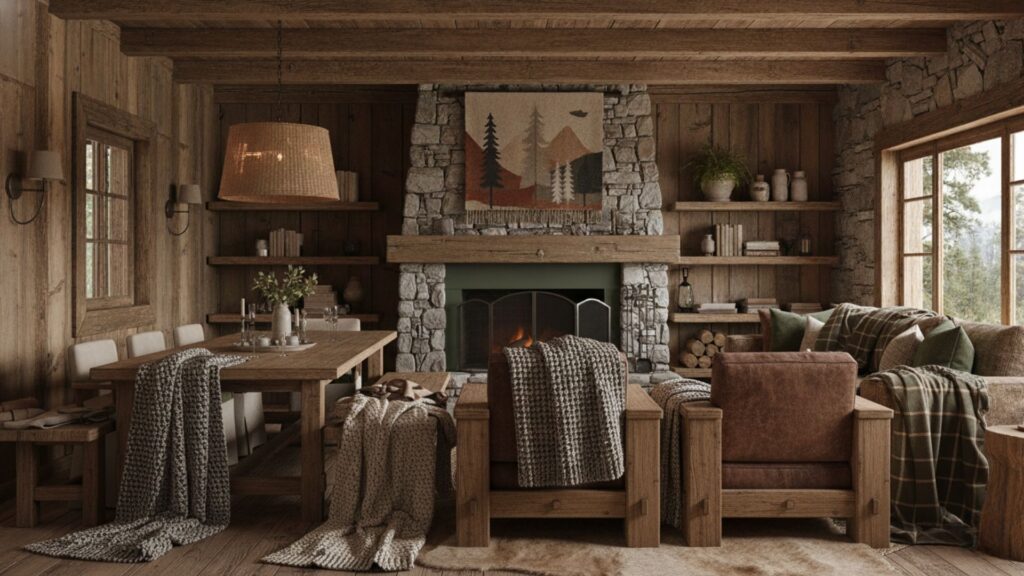
Textiles play an essential role in softening rustic cabin interiors. Wool blankets, plaid throws, faux fur rugs, linen cushions, and knitted pillows add layers of warmth and comfort. These materials not only enhance coziness but also improve acoustics in spaces with a heavy wood presence.
Layering different textures prevents rustic interiors from feeling cold or overly rugged. A leather sofa paired with soft blankets or a wooden bed topped with thick bedding creates visual balance. Textiles bring a sense of intimacy and make rustic cabin interiors feel truly livable.
6. Vintage and Handmade Decor That Adds Character and Storytelling
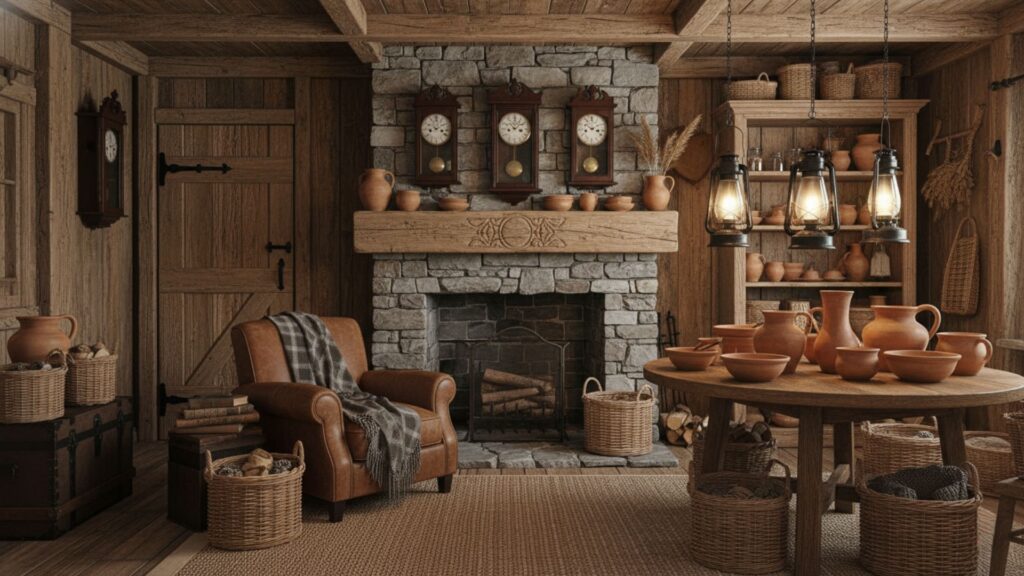
Rustic cabin interiors thrive on decor that feels collected over time. Vintage lanterns, antique clocks, iron hardware, handmade pottery, and woven baskets add personality and charm. These elements tell a story and give the space a soulful, authentic feel.
Instead of mass-produced décor, rustic cabins embrace items with history or craftsmanship. Displaying heirlooms, old tools, or handmade art enhances the emotional depth of the interior. These thoughtful touches transform rustic cabin interiors into warm, meaningful homes.
7. Soft Ambient Lighting That Enhances the Cozy Cabin Atmosphere
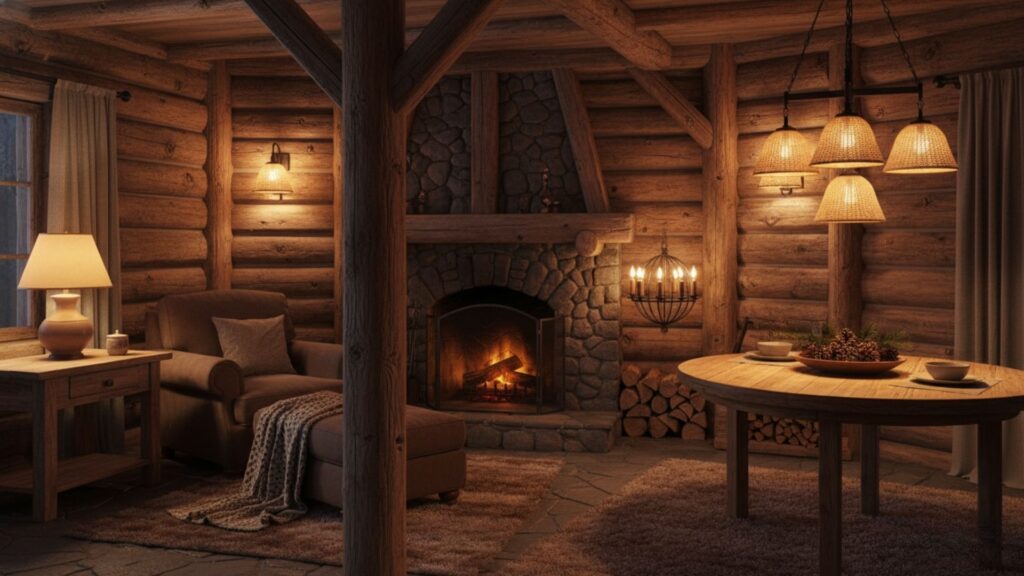
Lighting in rustic cabin interiors should feel warm and inviting rather than bright and harsh. Soft ambient lighting from table lamps, wall sconces, pendant lights, and candle-style fixtures creates a relaxed mood. Warm-toned bulbs enhance wood textures and stone surfaces beautifully.
Layered lighting is key to achieving a cozy cabin feel. Combining ambient, task, and accent lighting ensures functionality while maintaining atmosphere. Rustic cabin interiors feel most comfortable when lighting mimics the soft glow of firelight or sunset tones.
8. Open Layouts That Make Rustic Cabins Feel Spacious and Inviting
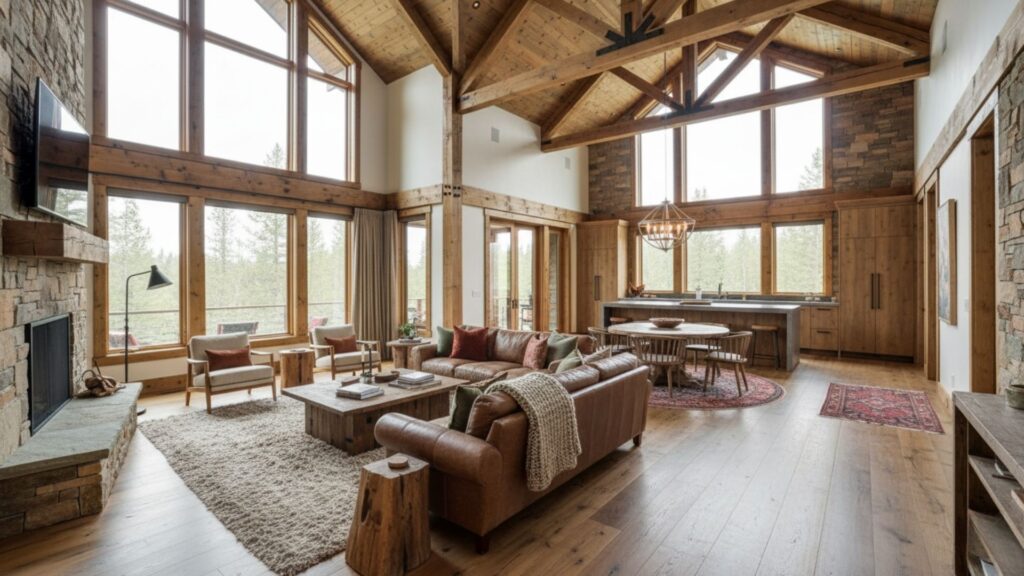
Many rustic cabin interiors use open floor plans to enhance flow and connection. Open layouts allow natural light to travel through the space and highlight architectural details like beams and stone walls. This approach makes cabins feel larger and more welcoming.
Even in smaller cabins, open layouts help avoid cramped feelings. Defining areas with rugs, furniture placement, or lighting keeps the space organized without walls. Open-concept rustic cabin interiors encourage togetherness and a relaxed lifestyle.
9. Nature-Inspired Decor That Strengthens the Indoor-Outdoor Connection
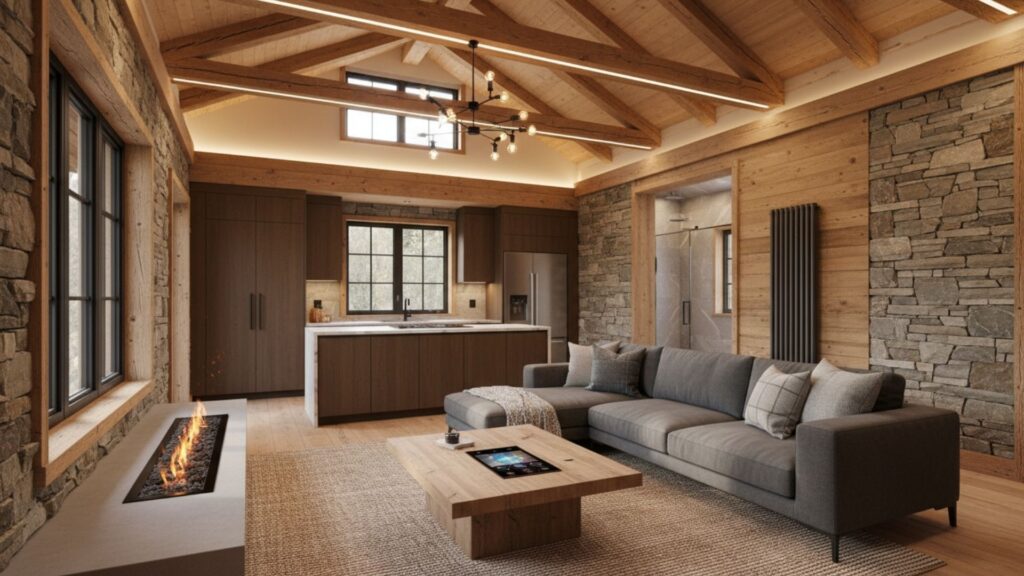
Rustic cabin interiors often blur the line between indoors and outdoors. Nature-inspired decor, such as botanical prints, antler accents, landscape art, and natural fibers, reinforces this connection. Large windows, wooden frames, and views of nature further enhance the experience.
Bringing in natural elements like plants, branches, or stone accessories adds freshness and life. This connection to nature is at the core of rustic cabin interiors, creating homes that feel peaceful, grounding, and deeply comforting.
10. Modern Comforts Integrated Seamlessly Into Traditional Rustic Cabins
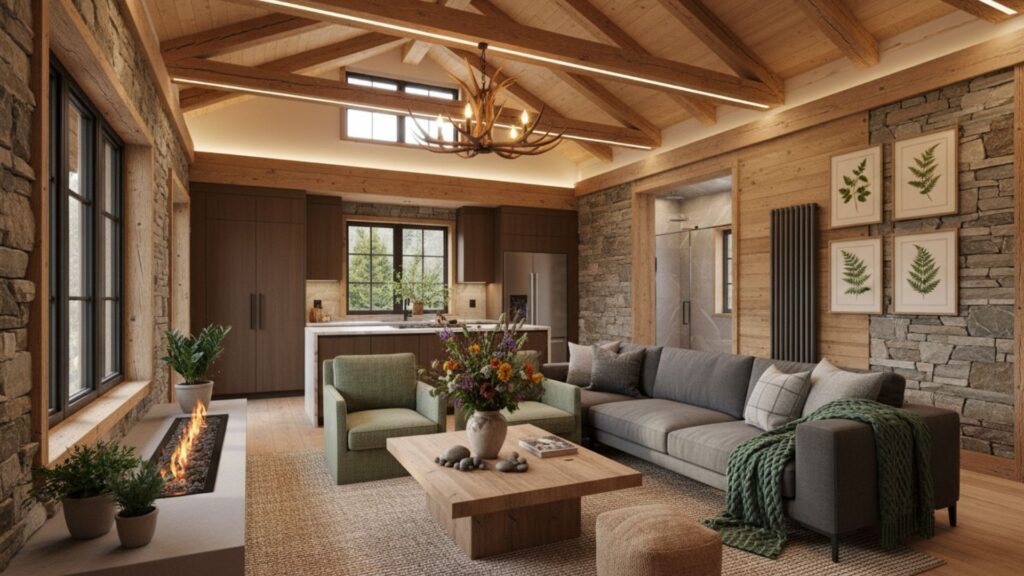
While rustic cabin interiors honor tradition, modern comforts are carefully integrated for convenience. Hidden technology, energy-efficient heating, modern kitchens, and updated bathrooms blend seamlessly with rustic materials. The goal is comfort without compromising the cabin’s character.
Smart design choices allow rustic cabins to feel timeless yet functional. Clean-lined furniture, subtle modern fixtures, and neutral finishes ensure balance. This thoughtful blend keeps rustic cabin interiors relevant, comfortable, and perfectly suited for modern living.
Summary
Rustic cabin interiors combine natural materials, warm colors, and cozy textures to create inviting and timeless living spaces. From exposed wood and stone fireplaces to layered textiles and soft lighting, every element works together to evoke comfort and connection to nature. By blending traditional charm with modern functionality, rustic cabin interiors offer a peaceful retreat that feels both authentic and deeply livable.

