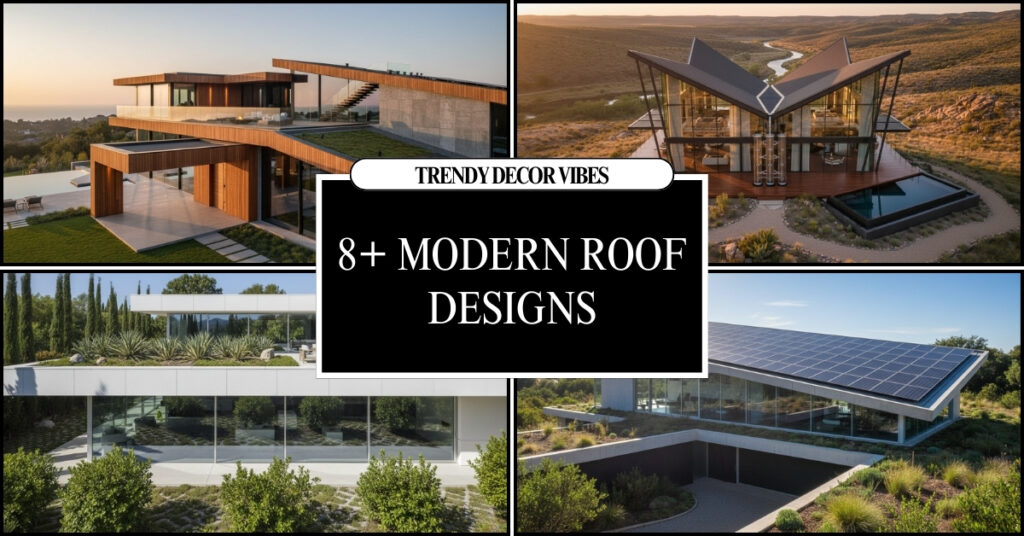
Modern roof designs play a major role in defining the overall style and functionality of a home. Today’s architecture focuses on clean lines, strong geometric shapes, and materials that enhance both durability and visual appeal. A well-designed roof not only protects the house but also contributes to its architectural identity. Modern roofs often combine innovative shapes with energy-efficient materials to create stylish and practical structures.
Homeowners and architects are increasingly choosing roof designs that complement contemporary exteriors. Flat roofs, sloped structures, and mixed-material designs are popular choices in modern homes. These roofs also support sustainable features like solar panels, natural ventilation, and rooftop gardens. With thoughtful design, a roof can transform the appearance of a home while improving comfort and energy efficiency.
1. Flat Roof Designs for Minimalist Modern Homes
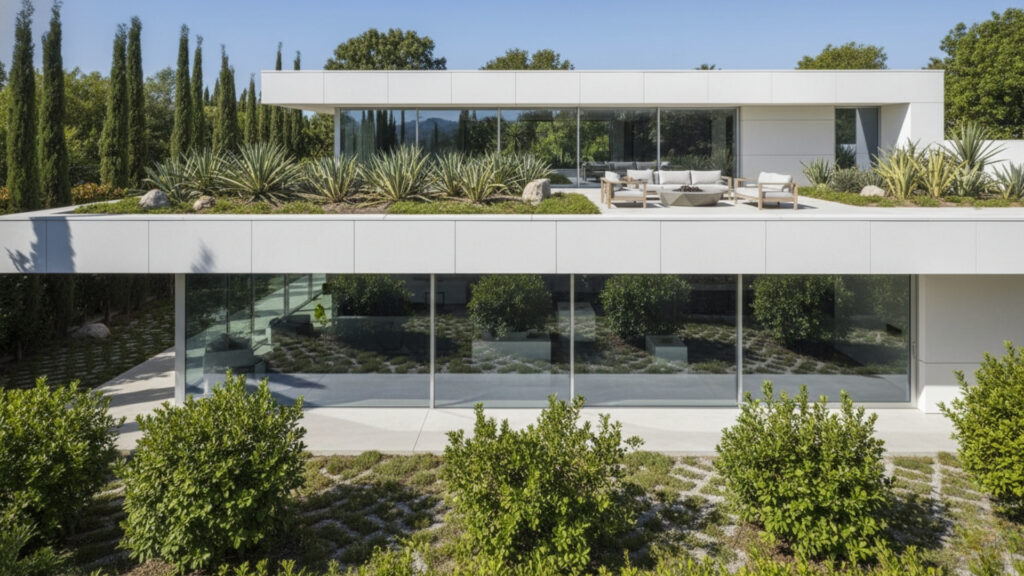
Flat roofs are one of the most recognizable features of modern architecture. Their clean horizontal lines create a sleek and minimalist appearance. This design is especially popular in contemporary homes where simplicity and geometric balance are key elements. Flat roofs also allow the building’s structure to stand out without unnecessary decorative features.
In addition to aesthetics, flat roofs offer practical advantages. They can be used for rooftop gardens, outdoor seating areas, or solar panel installations. Proper drainage systems ensure durability and weather resistance. With modern materials and insulation techniques, flat roofs provide both style and functionality.
Also Explore: 11+ Rooftop Garden Ideas That Turn Any Roof Into Paradise
2. Sloped Roof Designs for Contemporary Elegance
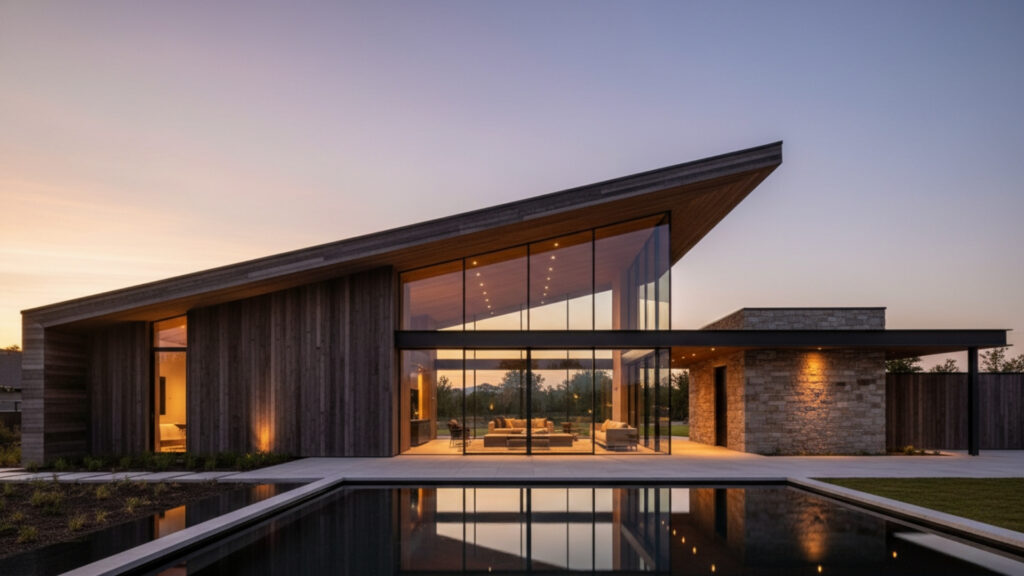
Sloped roofs remain a classic choice that adapts beautifully to modern architecture. These roofs feature clean, angled lines that add depth and dimension to a home’s exterior. A single sloped roof can create a dramatic visual effect while maintaining a simple design. This style blends traditional roofing concepts with modern aesthetics.
Sloped roofs are also effective for managing rainwater and snow. The natural slope allows water to flow easily away from the structure. Modern designs often incorporate large windows beneath the roofline to maximize natural light. This creates bright and comfortable interior spaces.
3. Butterfly Roof Designs for Bold Architectural Style
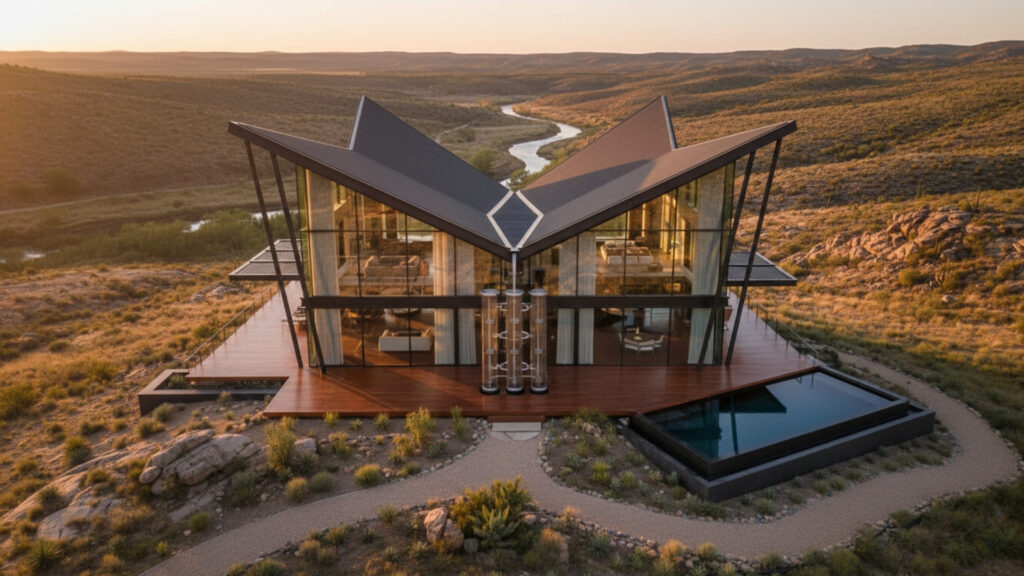
Butterfly roofs are known for their distinctive V-shaped structure. This modern design features two roof surfaces that slope inward toward the center. The unique shape creates a striking architectural statement. It is often used in contemporary homes that emphasize bold and creative design elements.
The inward slope also provides practical benefits. Rainwater can be collected at the center for sustainable water systems. Large glass walls beneath the roofline allow plenty of natural light into the home. This roof design combines modern aesthetics with environmental functionality.
4. Green Roof Designs for Sustainable Living
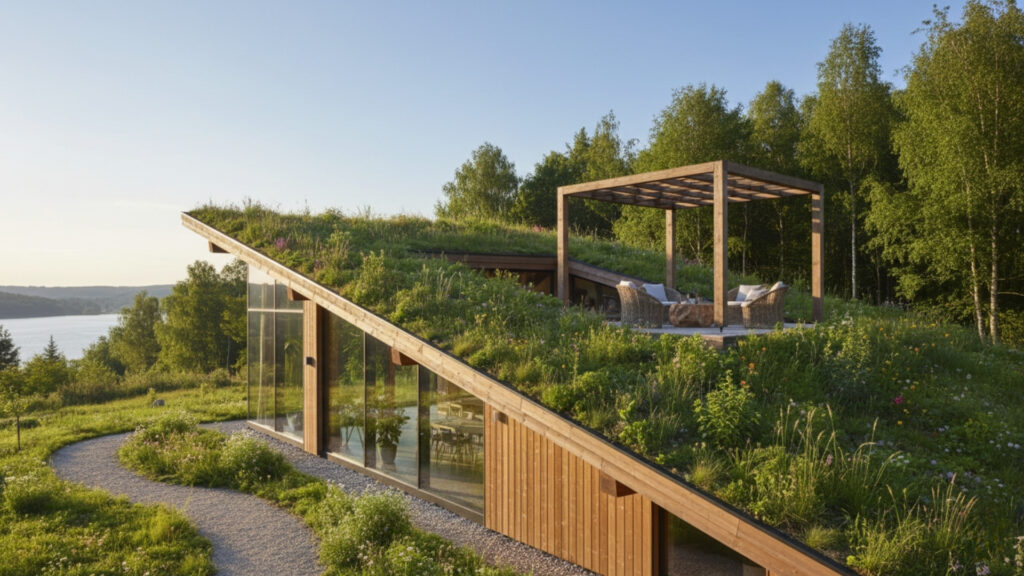
Green roofs are becoming increasingly popular in modern home design. These roofs are covered with vegetation, creating a natural layer above the building. Green roofs help regulate indoor temperature and improve energy efficiency. They also reduce urban heat and improve environmental sustainability.
In addition to environmental benefits, green roofs create beautiful outdoor spaces. They can serve as gardens or relaxation areas for homeowners. The natural greenery also enhances the overall aesthetic of the building. This eco-friendly design blends architecture with nature.
5. Metal Roof Designs for Modern Durability
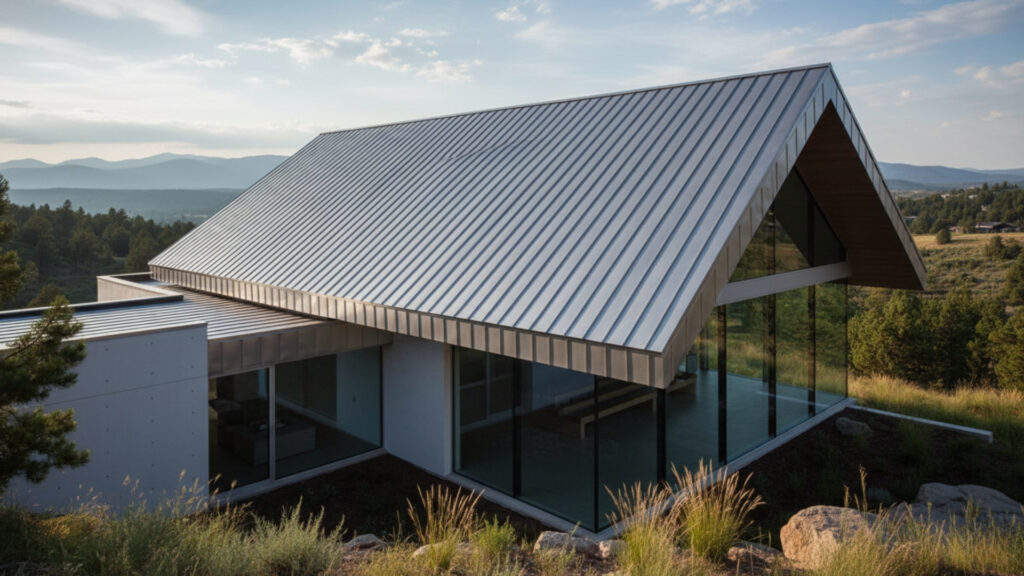
Metal roofing is widely used in contemporary homes because of its durability and sleek appearance. Materials such as aluminum, steel, and zinc create a clean and modern finish. Metal roofs reflect sunlight, which helps maintain comfortable indoor temperatures. Their polished surfaces also enhance the architectural style of modern homes.
Another advantage of metal roofs is their long lifespan and low maintenance requirements. They resist weather damage and perform well in different climates. Metal panels can also be shaped into unique roof forms. This flexibility allows architects to design creative and modern roof structures.
6. Combination Roof Designs for Dynamic Architecture
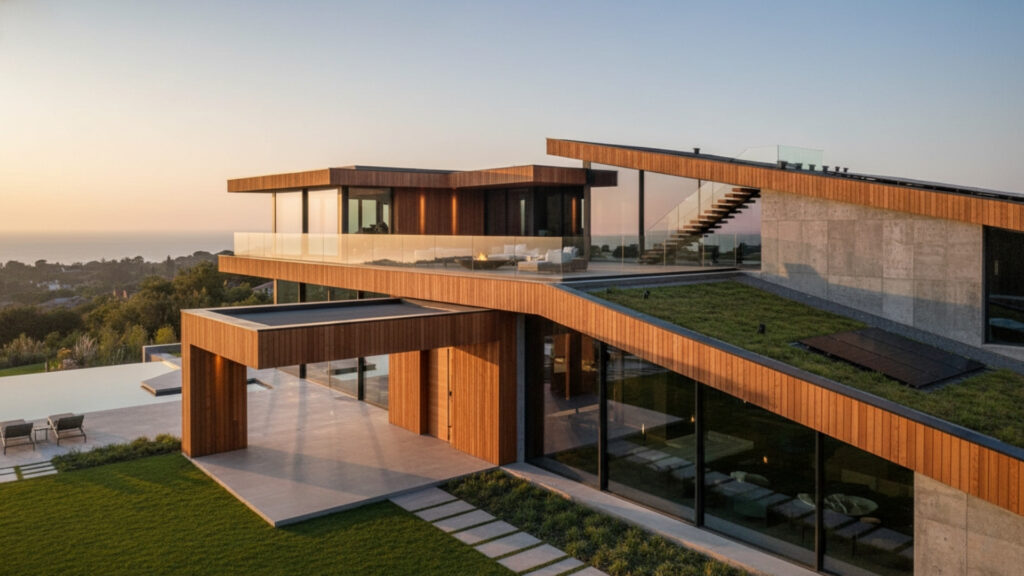
Combination roof designs use multiple roof styles in a single structure. Architects often combine flat, sloped, or gabled sections to create visually interesting homes. This approach adds depth and complexity to the building’s exterior. The mix of shapes creates a more dynamic and modern architectural appearance.
Combination roofs also allow homeowners to maximize functionality. Different sections of the roof can support solar panels, skylights, or rooftop terraces. This design approach balances creativity with practicality. It is ideal for large homes that require versatile roofing solutions.
7. Roof Designs with Large Skylights for Natural Light
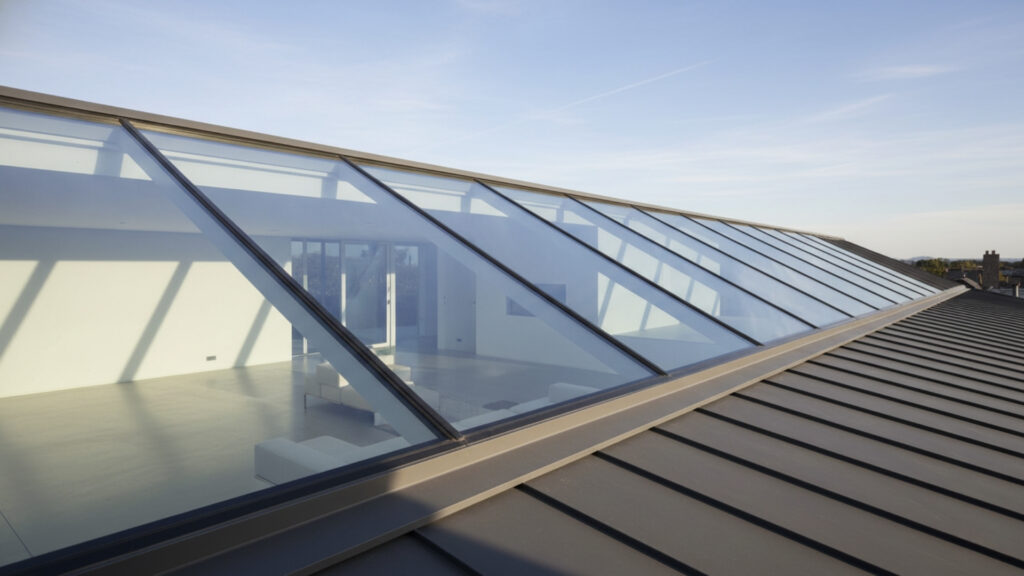
Skylights are a popular feature in modern roof designs because they bring natural light into the home. Large skylights installed within roof structures brighten interior spaces during the day. This reduces the need for artificial lighting and enhances energy efficiency. Natural light also creates a more open and comfortable environment.
Skylights can be placed in living rooms, kitchens, or hallways to improve illumination. Modern designs often use frameless glass panels for a seamless look. These installations enhance both the roof’s design and the interior experience. Skylights combine practicality with modern architectural beauty.
8. Roof Overhang Designs for Shade and Protection
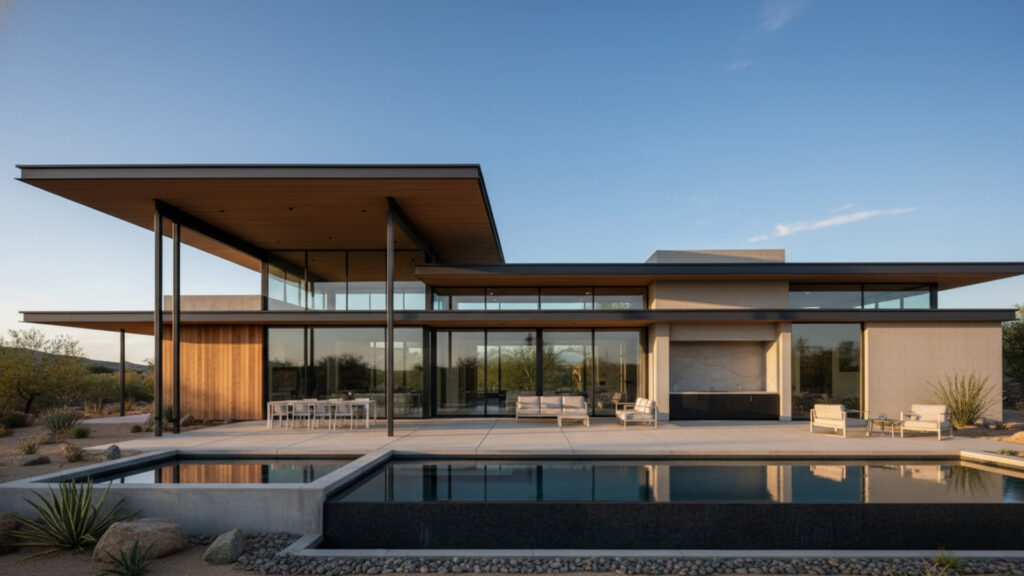
Roof overhangs are an important feature in many modern homes. These extended edges provide shade for windows and outdoor spaces. Overhangs help reduce heat entering the home during warm seasons. This improves indoor comfort and energy efficiency.
Architecturally, roof overhangs add depth and structure to a building’s exterior. They also protect walls and windows from rain and harsh sunlight. Modern designs often include sleek and minimal overhang structures. This feature enhances both the appearance and functionality of the roof.
9. Solar Panel Roof Designs for Energy Efficiency
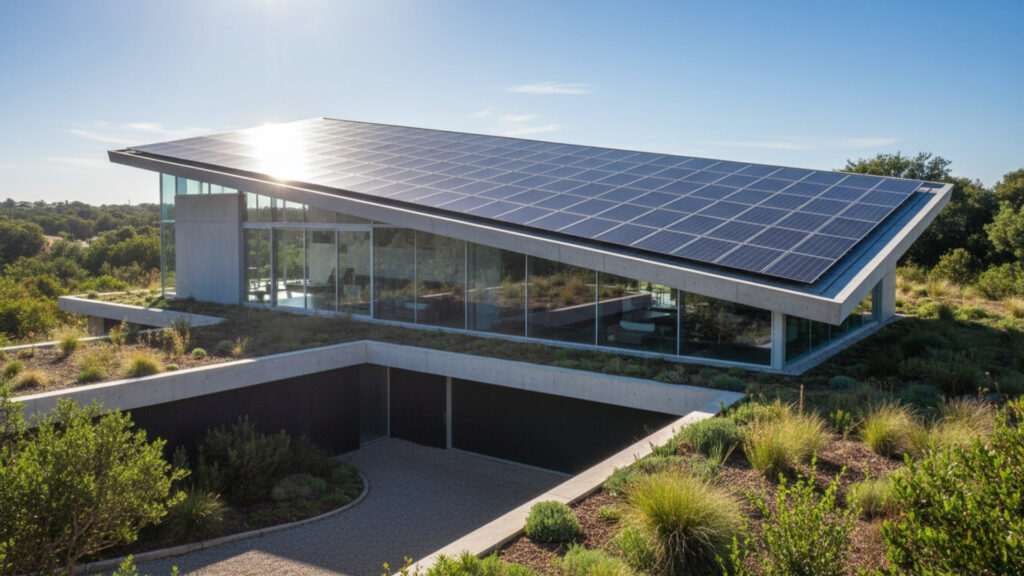
Solar panels are increasingly integrated into modern roof designs. These systems allow homeowners to generate renewable energy directly from sunlight. Installing solar panels on roofs helps reduce electricity costs and environmental impact. This technology supports sustainable and energy-efficient living.
Architects often design roofs specifically to maximize solar panel performance. Proper orientation and roof angles ensure optimal sunlight exposure. Modern solar panels can blend seamlessly with roofing materials. This creates a clean and futuristic appearance while supporting eco-friendly homes.
Summary
Modern roof designs combine innovative architecture with practical functionality. Styles such as flat roofs, sloped roofs, and butterfly structures create visually striking exteriors. Sustainable options like green roofs and solar panel systems support environmentally friendly living. Features such as skylights and roof overhangs improve comfort and energy efficiency. By choosing the right roof design, homeowners can enhance both the beauty and performance of their homes. Modern roofing solutions transform buildings into stylish and sustainable architectural spaces.