
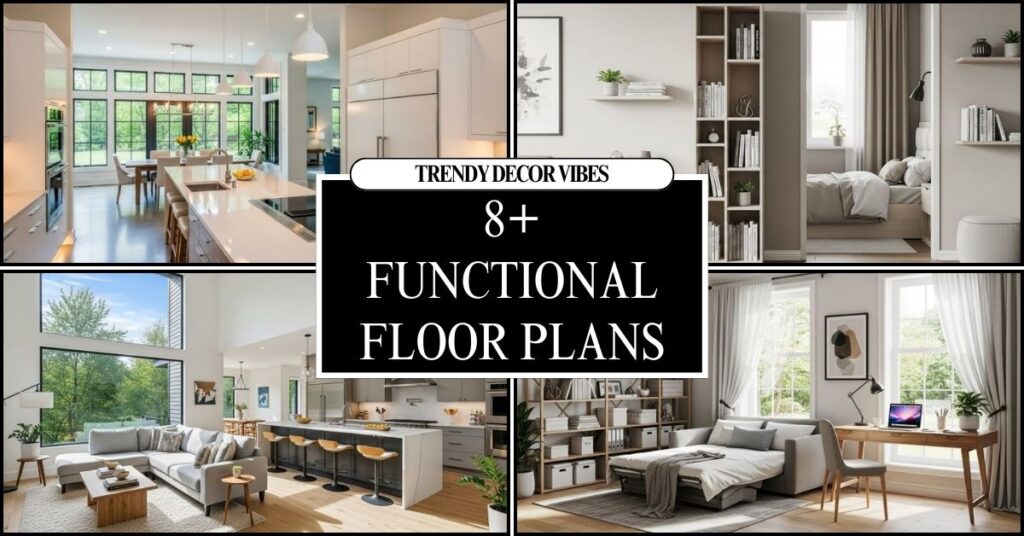
Designing a functional floor plans is the first step to creating a comfortable and efficient home. A well-planned layout helps you make the most of your space, improve flow between rooms, and create areas that meet your lifestyle needs. Whether you have a small apartment or a large house, functional layouts make everyday living easier and more enjoyable. Thoughtful design ensures that every corner serves a purpose, from storage solutions to open areas for family gatherings. With the right floor plan, your home can feel spacious, organized, and welcoming while matching your style and routine.
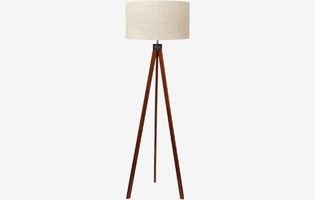
Modern Design Studying Light for Living Room
- Polished Type
- Wood Material
- 19″D x 19″W x 61″H
- 6.28 Pounds Weight
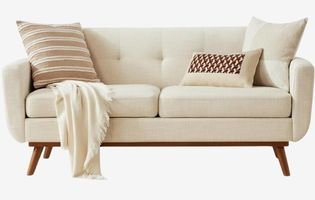
Mid Century Modern Decor Love Seat Couches
- 660 Pounds Weight Limit
- 6.3 Inches Length
- 32.7″D x 65″W x 31.9″H
- 23 inches Depth
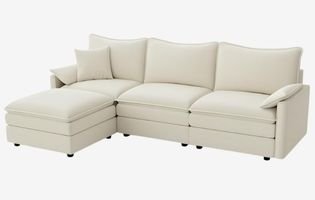
Comfy Cloud Couch with Movable Ottoman Deep Seat
- Bedroom, Living Room
- Sectional Type
- Multi Color
- 1000 Pounds Weight
1. Open-Concept Living Areas
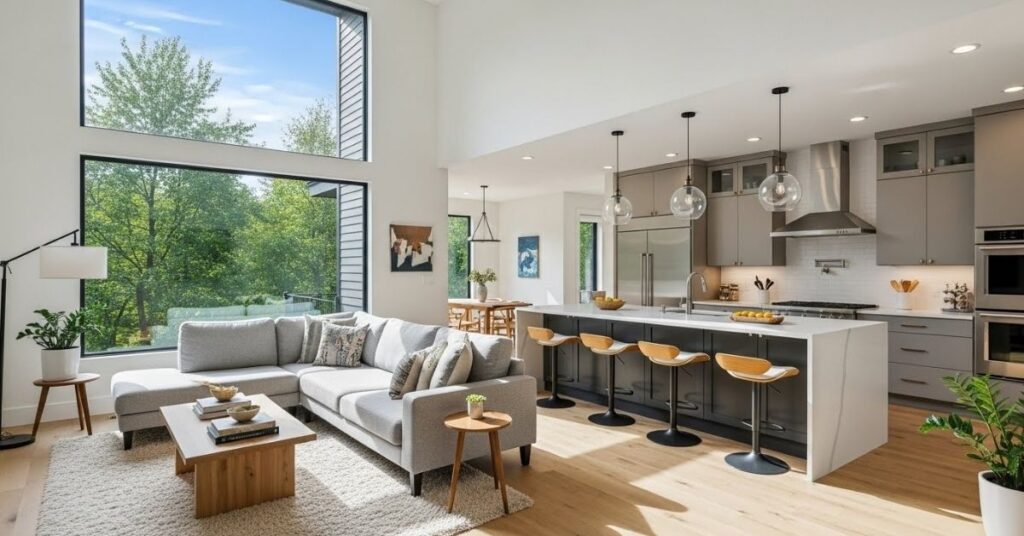
Open-concept layouts remove walls between the living room, kitchen, and dining area. This design makes a home feel larger, brighter, and more inviting. It allows family members to interact freely while cooking, dining, or relaxing. Such layouts are perfect for entertaining guests or spending quality time together.
This type of floor plan also makes furniture placement flexible. You can create different zones for lounging, dining, and cooking without feeling cramped. Open-concept spaces work well with natural light, giving the home an airy and warm feel. It’s a practical choice for modern lifestyles.
2. Compact Apartment Layouts
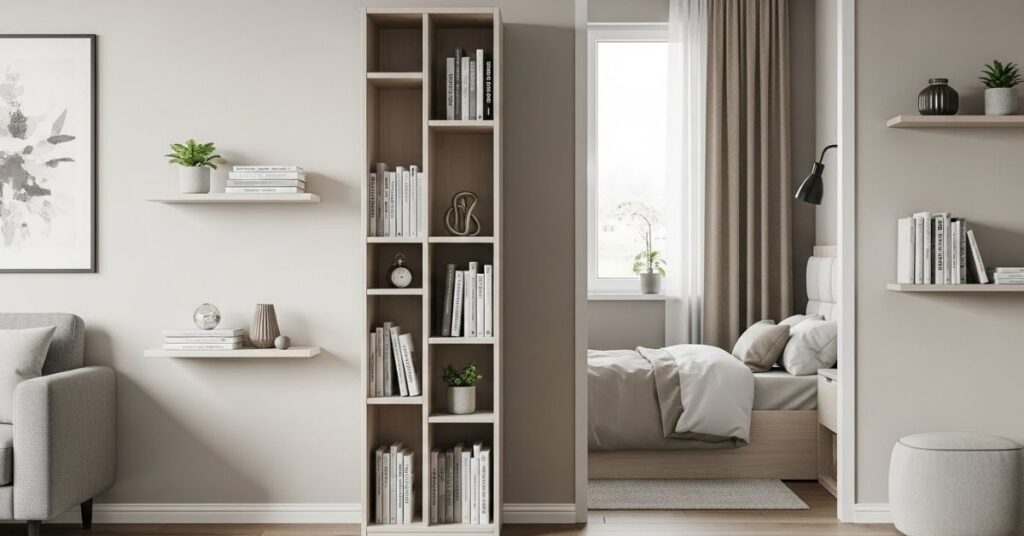
Small apartments require smart design to maximize functionality. Compact layouts focus on multi-purpose furniture and clever storage solutions. Every square foot is used efficiently, making the apartment feel organized and uncluttered. This approach is ideal for city dwellers or first-time renters with limited space.
Compact floor plans also enhance movement within the home. Open shelves, foldable tables, and hidden storage keep everything accessible without crowding the space. With careful planning, small apartments can feel comfortable, stylish, and fully functional.
3. Family-Friendly Floor Plans
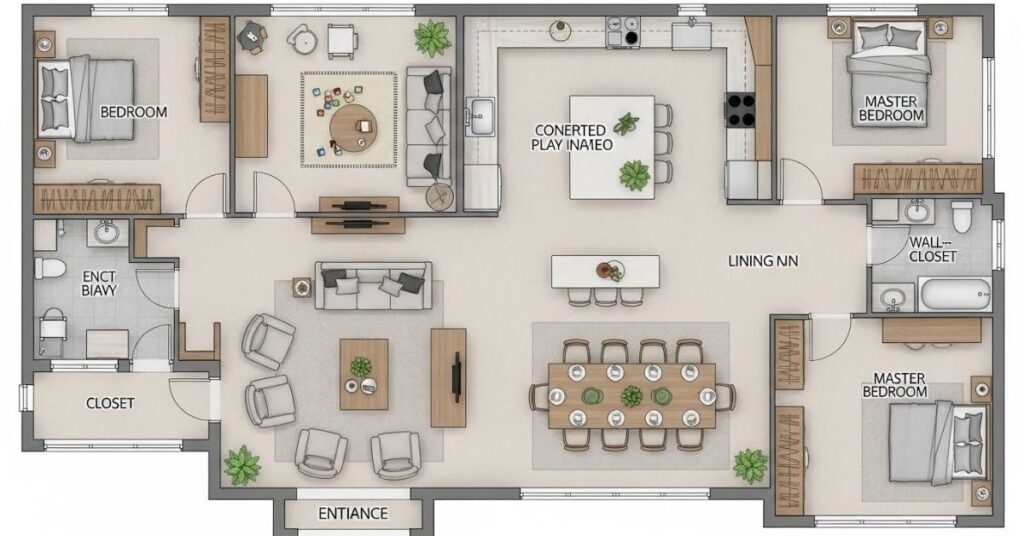
Family-friendly floor plans create spaces that suit all ages. Play areas, shared spaces, and private zones ensure everyone has room to relax. This layout makes it easy to supervise children while also maintaining adult spaces for work or relaxation.
These plans also consider practical needs like storage, laundry, and kitchen workflow. Wide hallways, safe stairs, and accessible bathrooms improve daily life. A family-focused layout balances togetherness and privacy, creating a home that feels organized and harmonious.
4. Modern Minimalist Designs
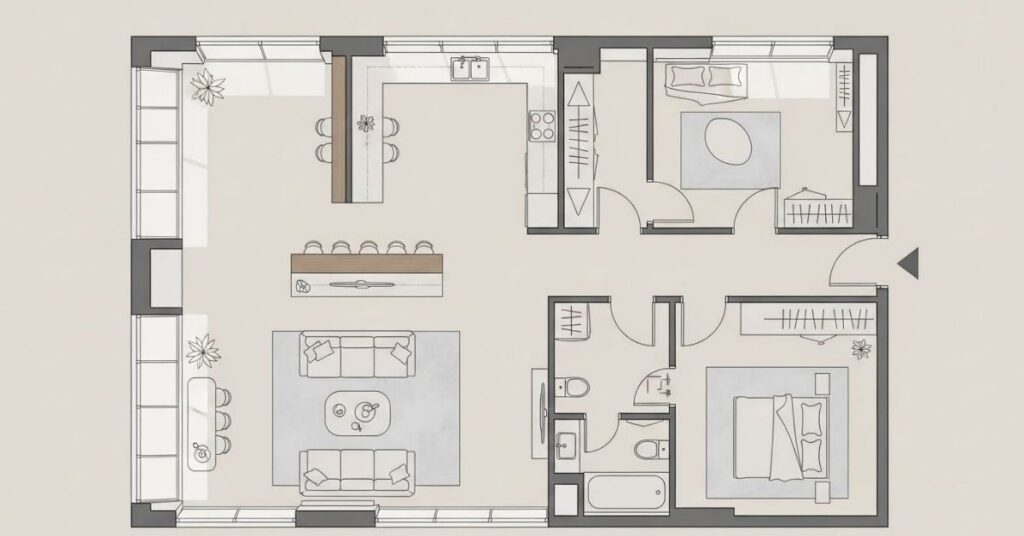
Minimalist designs focus on simplicity and functionality. Every room serves a purpose without clutter or unnecessary elements. Open spaces, neutral colors, and sleek furniture make the home feel calm and organized. It’s a perfect layout for people who prefer clean, modern living.
This approach also emphasizes efficiency. Storage is integrated into walls, kitchens are streamlined, and furniture is minimal yet practical. Modern minimalist floor plans reduce stress, improve movement, and create a visually appealing environment that feels spacious and airy.
Explore More Ideas: 10 Color Palettes For Modern Living Room
5. Multi-Functional Rooms
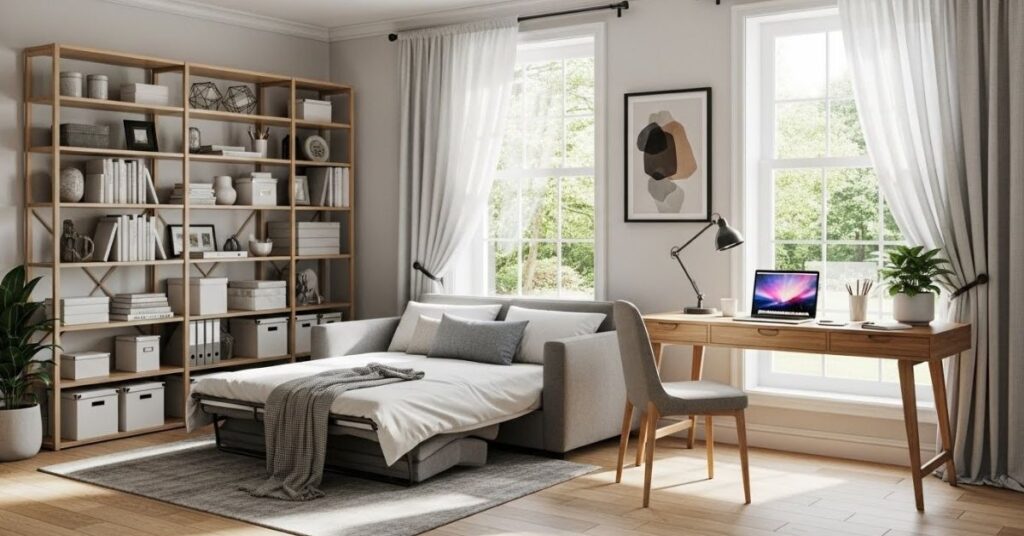
Multi-functional rooms allow one space to serve more than one purpose. For example, a home office can double as a guest bedroom or a playroom. This is perfect for small homes or people who need flexible spaces.
Such designs require smart furniture choices like foldable desks, sofa beds, or hidden storage. Multi-functional rooms save space, reduce clutter, and make homes adaptable to changing needs while keeping comfort and style intact.
6. Open Bedrooms with Storage Solutions
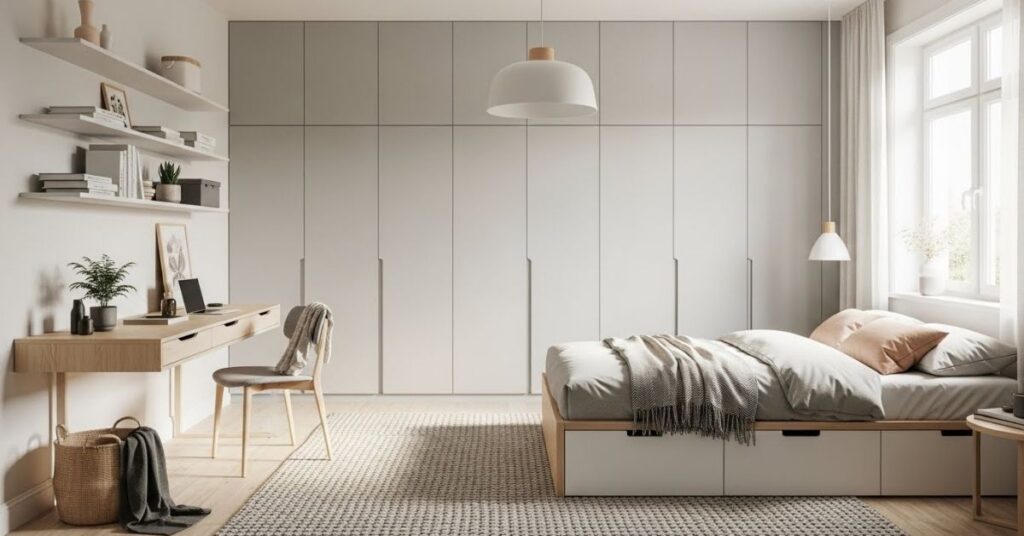
Open bedrooms combined with smart storage keep the room feeling spacious and uncluttered. Built-in wardrobes, under-bed storage, and wall shelves ensure everything has a place. This design promotes a calm and relaxing environment, ideal for rest and rejuvenation.
Functional bedrooms also make daily routines smoother. Clothes, books, and personal items are easy to access while maintaining a neat appearance. Open layouts with organized storage maximize both comfort and utility in private spaces.
7. Kitchen-Centric Layouts
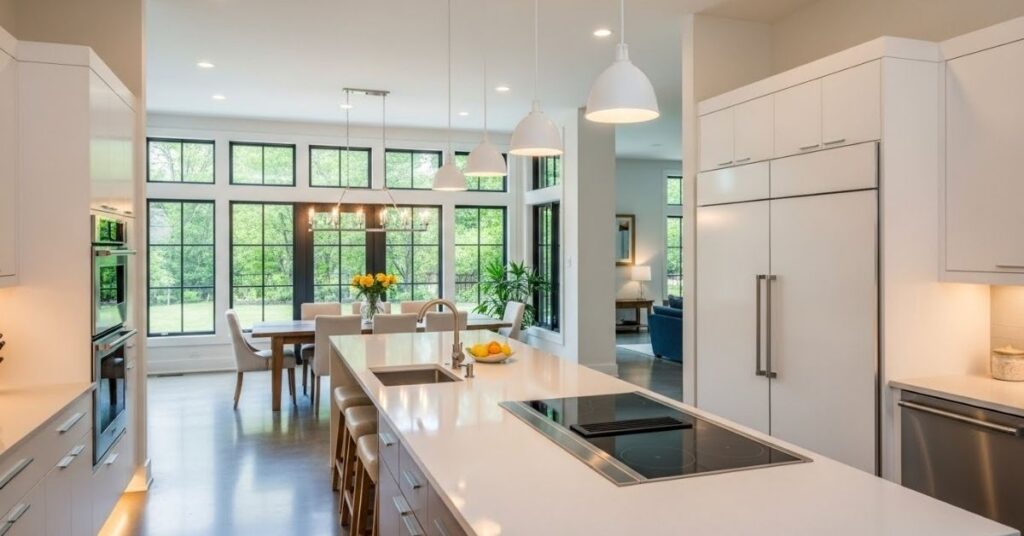
Kitchen-centric layouts make the kitchen the heart of the home. With the cooking area at the center, it becomes easy to prepare meals while interacting with family or guests. This setup improves functionality and encourages social interaction during everyday tasks.
Such designs often include islands, breakfast bars, and open shelving. The flow between the kitchen, dining, and living spaces ensures efficiency, making meal prep and cleanup easier. It’s ideal for families or anyone who loves hosting friends at home.
Explore More Ideas: 15+ Small Kitchen Makeovers Ideas for a Stylish & Space-Saving Upgrade
8. Indoor-Outdoor Flow
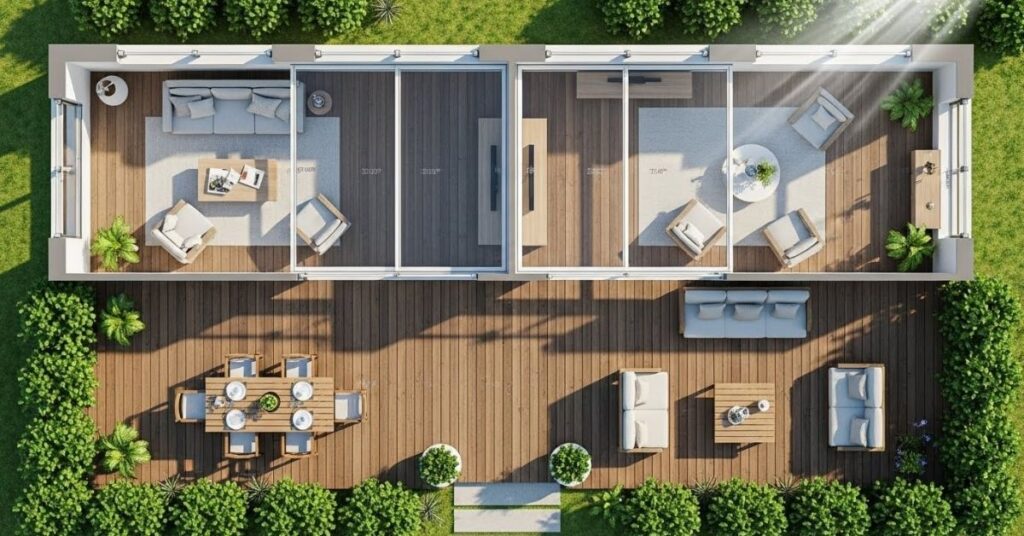
Indoor-outdoor flow connects the interior living spaces with patios, decks, or gardens. Large windows and sliding doors invite natural light and make rooms feel bigger. This design creates a seamless transition between indoor comfort and outdoor relaxation, perfect for gatherings or enjoying nature.
It also enhances ventilation and energy efficiency. Outdoor spaces can serve as additional dining, lounge, or play areas. Homes with this layout feel open, airy, and connected to nature while maximizing the use of available space.
9. Zoned Layouts for Privacy
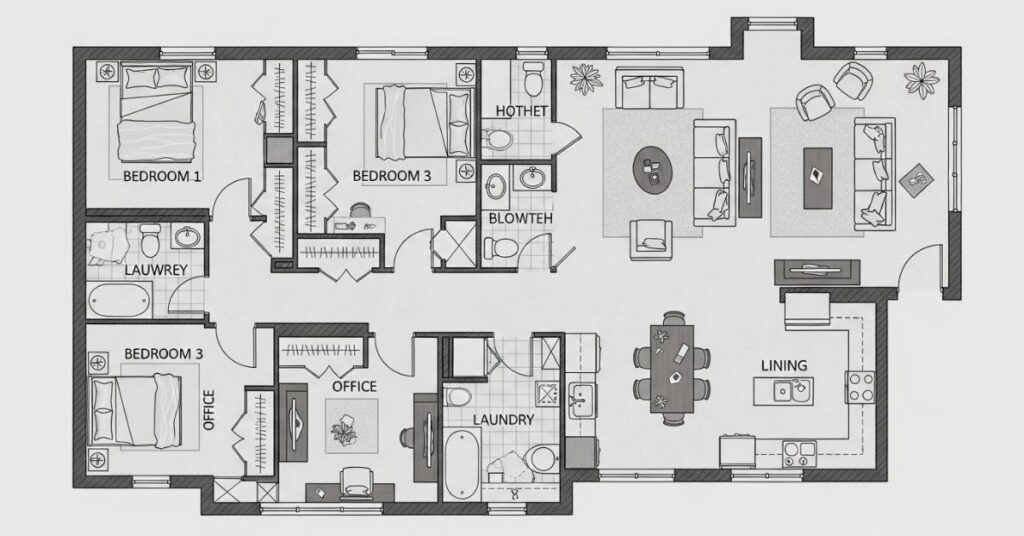
Zoned layouts separate public and private areas to improve comfort. Bedrooms, offices, and quiet corners are kept apart from noisy living or dining areas. This approach ensures privacy for family members and creates a more organized flow within the home.
Such floor plans are perfect for shared homes or families with children. By zoning spaces thoughtfully, noise is minimized, and movement is smoother. Zoned layouts provide balance between social and private areas, keeping everyone comfortable and content.
10. Flexible Floor Plans for Future Growth
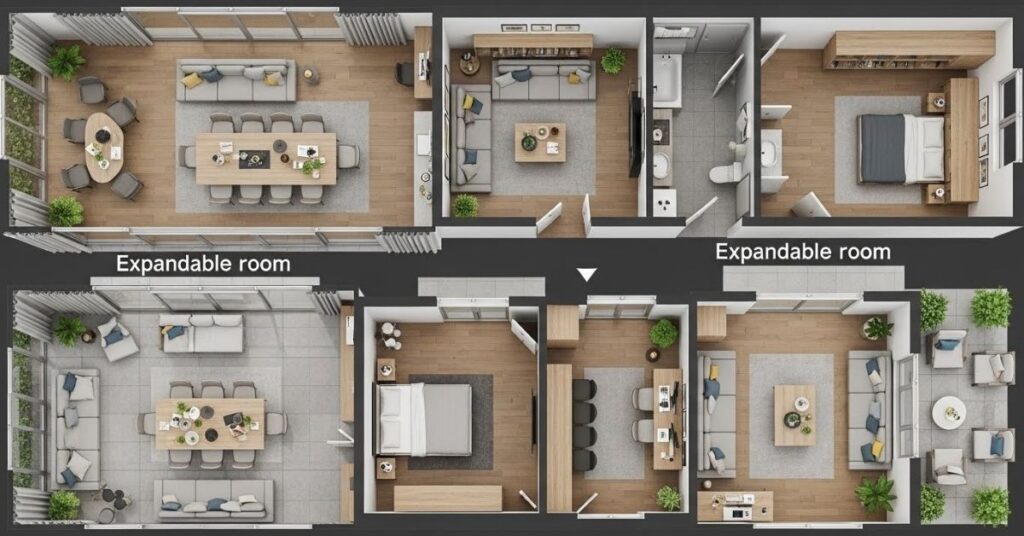
Flexible floor plans are designed to adapt to changing lifestyles. Rooms can serve different purposes over time, such as converting a guest room into a home office or nursery. This ensures the home remains functional as your family grows or needs evolve.
These layouts often feature movable walls, multi-purpose furniture, and open spaces that allow easy modification. Future-ready designs save money and reduce renovations while maintaining comfort. Homes with flexible floor plans are practical, versatile, and prepared for long-term living.
Summary of Functional Floor Plans
Functional floor plans make homes practical, comfortable, and suited to modern life. From kitchen-centric layouts to indoor-outdoor flow, zoning for privacy, and flexible designs for growth, every plan enhances how we live and use space. Thoughtful design ensures homes feel spacious, organized, and adaptable to your lifestyle today and in the future.

