Underground greenhouse ideas offer an innovative way to grow plants year-round by using the earth’s natural insulation. By building below ground level, temperatures remain more stable compared to traditional greenhouses, protecting plants from extreme heat and frost. Designs like sunken beds, walipini-style structures, and earth-sheltered walls help trap warmth during colder months while maintaining coolness in summer. Large south-facing windows or slanted transparent roofs maximize sunlight exposure, ensuring healthy plant growth throughout the seasons.
To enhance efficiency, incorporate thermal mass materials such as stone, brick, or water barrels to store daytime heat and release it at night. Proper ventilation systems, drainage planning, and raised beds prevent excess moisture buildup and maintain air circulation. Installing solar-powered fans or drip irrigation systems further supports sustainable gardening. With thoughtful planning and smart design, an underground greenhouse becomes a productive, eco-friendly space that provides fresh vegetables, herbs, and flowers all year long.
1. Earth Sheltered Structure for Natural Temperature Control
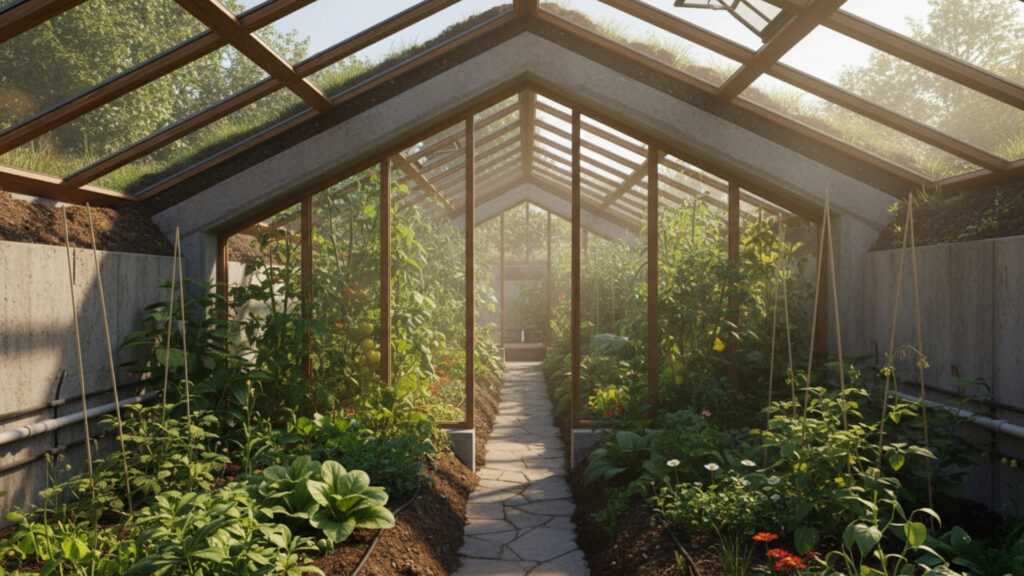
An underground greenhouse uses the earth itself as natural insulation, creating a stable growing environment throughout the year. By building partially or fully below ground level, the surrounding soil protects plants from harsh winds, extreme heat, and freezing winter temperatures. This earth sheltered design significantly reduces temperature fluctuations, making it ideal for consistent crop production.
The soil acts as a thermal mass, absorbing heat during the day and releasing it slowly at night. This natural process reduces the need for artificial heating systems and lowers energy costs. With proper structural reinforcement and waterproofing, an earth sheltered greenhouse becomes both durable and efficient. It is a sustainable solution for gardeners who want reliable year round growing conditions.
2. Passive Solar Design for Maximum Sunlight Efficiency
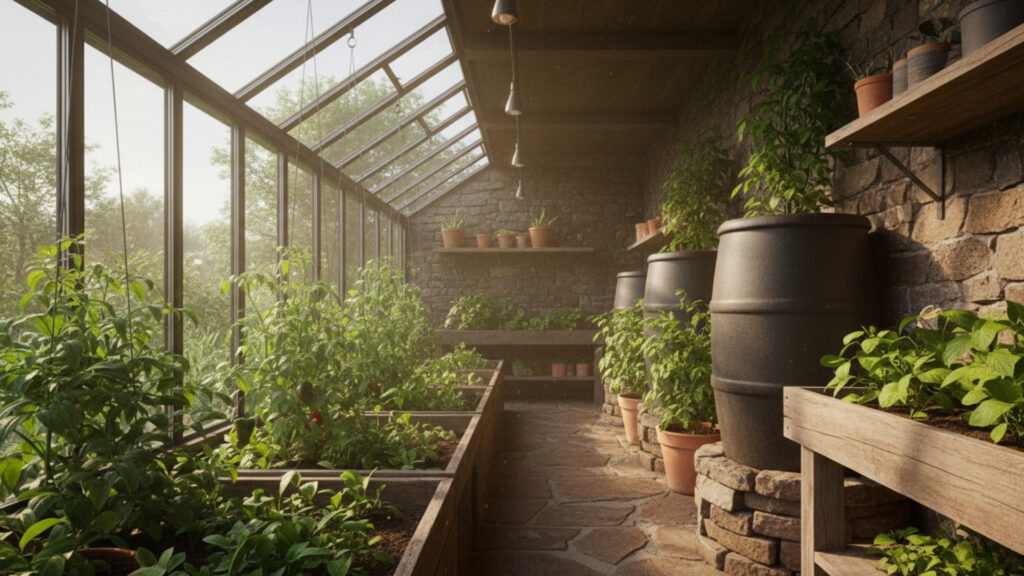
Passive solar design is one of the most important elements of a successful underground greenhouse. Positioning the structure to face south ensures maximum sunlight exposure during the winter months when sunlight is limited. Angled glazing allows sunlight to penetrate deeply into the growing area, warming the interior naturally.
Thermal mass materials such as stone, brick, or water barrels store heat throughout the day. This stored heat is gradually released after sunset, maintaining comfortable temperatures for plants. By carefully designing window placement and roof angles, gardeners can maximize solar gain without relying heavily on mechanical systems. Passive solar planning enhances sustainability and long term efficiency.
3. Insulated Walls to Protect Against Extreme Weather
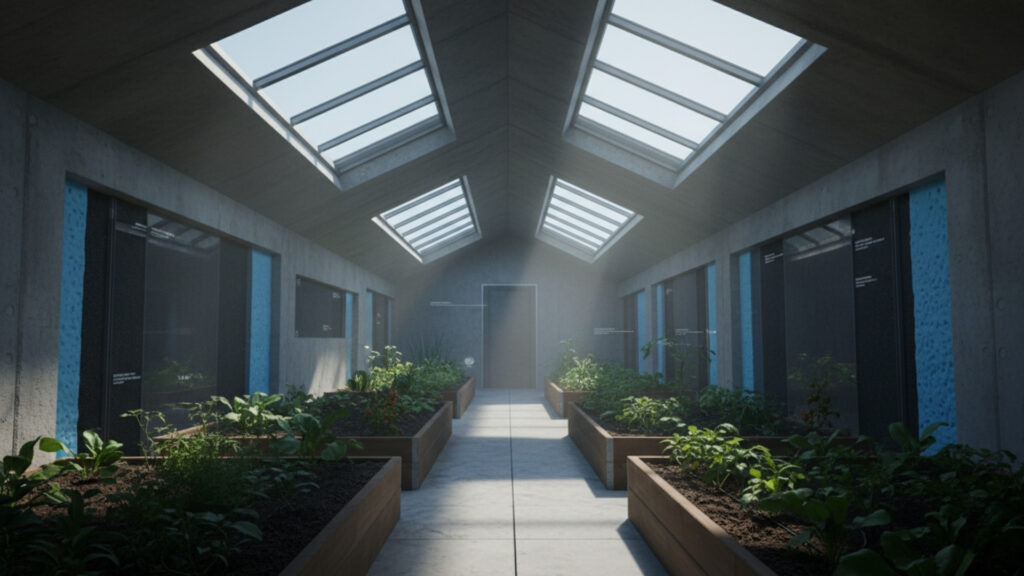
Proper wall insulation is essential for maintaining stable temperatures inside an underground greenhouse. While soil provides natural insulation, additional materials such as rigid foam boards or insulated concrete forms increase thermal performance. These layers prevent heat loss during winter and minimize overheating during summer.
Waterproof membranes and drainage systems must also be installed to prevent moisture damage. Well insulated walls ensure plants are protected from frost and unexpected cold snaps. Investing in high quality insulation improves plant health and reduces energy dependency. A well protected structure guarantees durability and consistent growing success.
4. Durable Glazing Materials for Long Lasting Performance
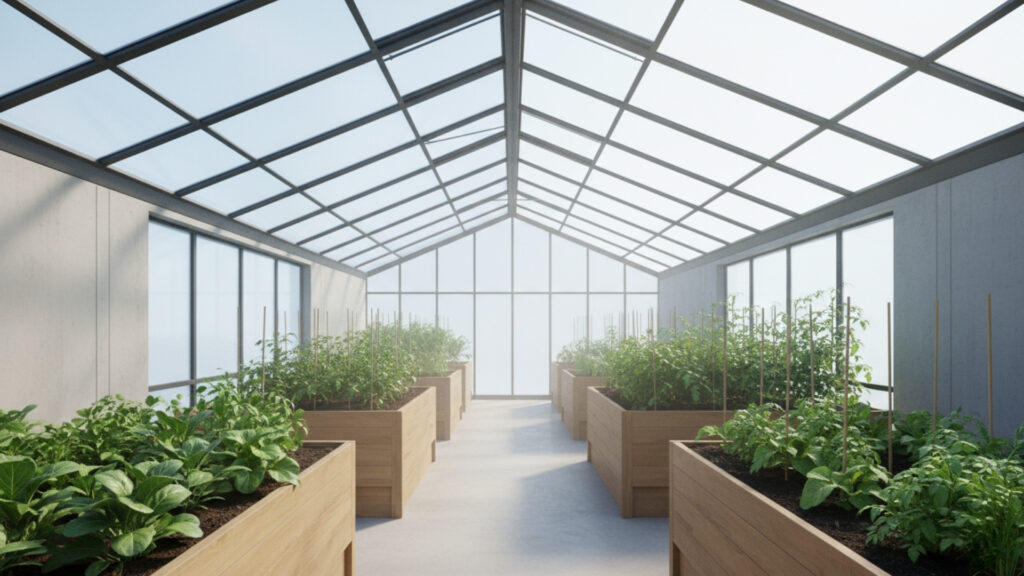
The glazing material used in an underground greenhouse directly impacts light transmission and energy efficiency. Polycarbonate panels are popular due to their strength, insulation properties, and ability to diffuse sunlight evenly. Tempered glass is another premium option that offers clarity and long term durability.
Double layered glazing enhances insulation while still allowing sufficient light penetration. UV resistant coatings protect plants from excessive radiation and extend the lifespan of materials. Choosing high quality glazing ensures optimal plant growth conditions and reduces maintenance needs. The right materials make a significant difference in overall performance.
5. Smart Ventilation Systems for Balanced Airflow
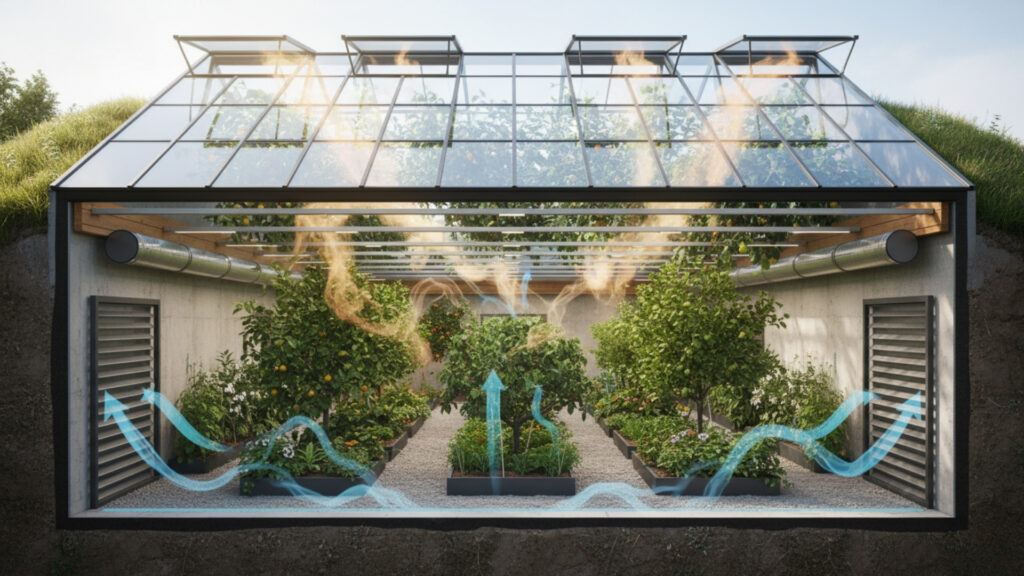
Even in underground designs, proper ventilation is crucial for plant health. Ventilation systems regulate humidity levels, prevent mold growth, and maintain fresh airflow. Roof vents, side vents, or small exhaust fans can be integrated into the structure to improve circulation.
Strategically placed air intake openings help create natural convection currents. Warm air rises and exits through upper vents, drawing cooler air inside. This passive airflow method minimizes the need for powered ventilation systems. Balanced airflow maintains stable growing conditions and supports healthy plant development year round.
6. Raised Garden Beds for Improved Drainage and Accessibility
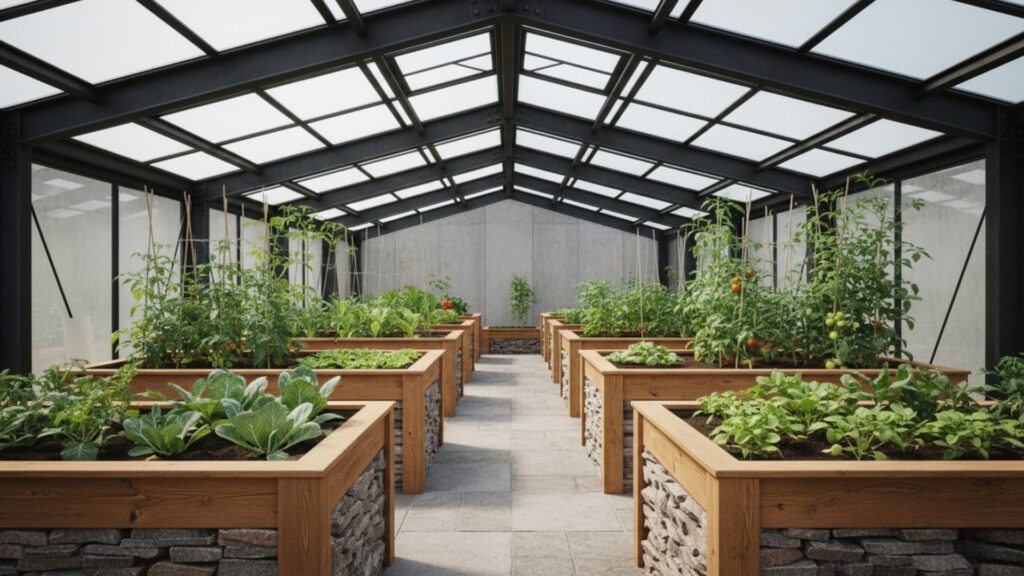
Raised beds are an effective way to organize planting areas within an underground greenhouse. They improve soil drainage and prevent waterlogging, especially in partially subterranean environments. Elevated beds also allow better control over soil composition and nutrient management.
From an ergonomic perspective, raised beds reduce strain by minimizing the need for bending and kneeling. Materials such as treated wood, stone, or concrete blocks provide structural stability. Organized planting zones increase efficiency and productivity. Well designed raised beds enhance both functionality and comfort.
7. Thermal Mass Storage for Consistent Internal Warmth
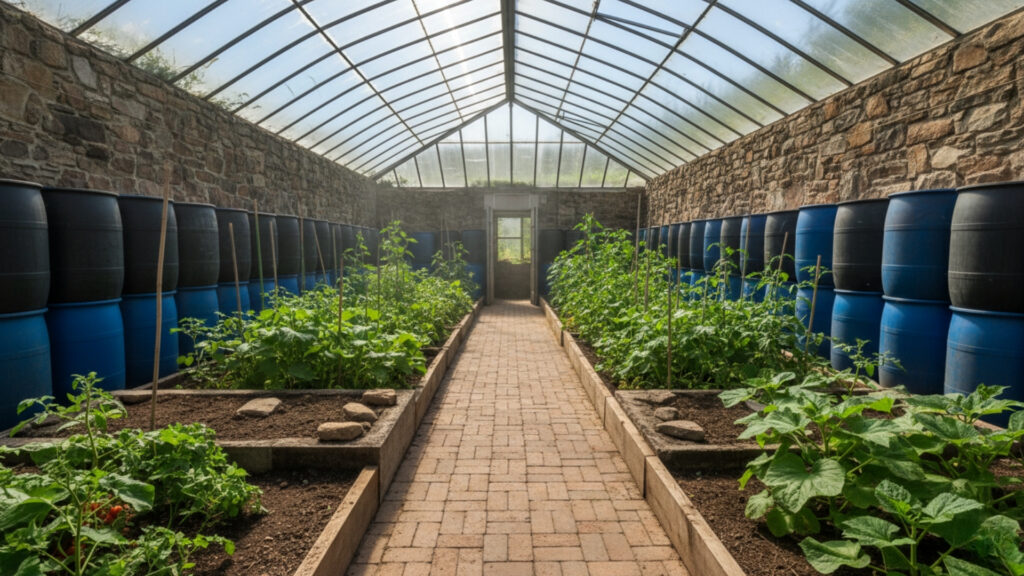
Thermal mass storage is a powerful strategy in underground greenhouse design. Materials such as water barrels, stone walls, brick flooring, and concrete blocks absorb heat during the day when sunlight enters through the glazing. These dense materials retain warmth efficiently and release it gradually once temperatures begin to drop in the evening. This steady heat distribution protects plants from sudden temperature changes.
Placing thermal mass along the north wall or beneath planting beds maximizes its effectiveness. Dark colored containers absorb more solar heat and improve performance during winter months. This passive heating technique reduces the need for electrical heaters and lowers operating costs significantly. By incorporating thermal mass strategically, gardeners can create a stable and energy efficient growing environment.
8. Underground Drainage Systems to Prevent Moisture Damage
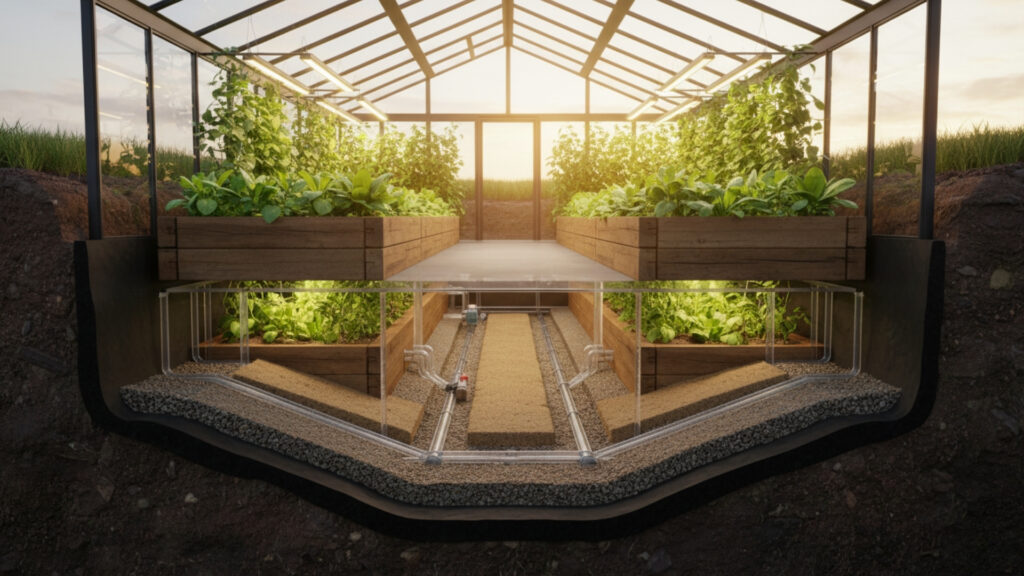
Proper drainage is essential in any underground greenhouse to prevent water accumulation and structural damage. Since the structure is partially below ground, excess rainwater or groundwater pressure can become a concern. Installing French drains around the perimeter helps redirect water away from the foundation.
Gravel layers beneath flooring and along exterior walls further improve drainage efficiency. Waterproof membranes protect structural components from moisture infiltration. A well designed drainage system safeguards both the building and plant roots from waterlogging. Investing in proper water management ensures long term durability and healthy growing conditions.
9. Energy Efficient Heating Backup for Cold Climates
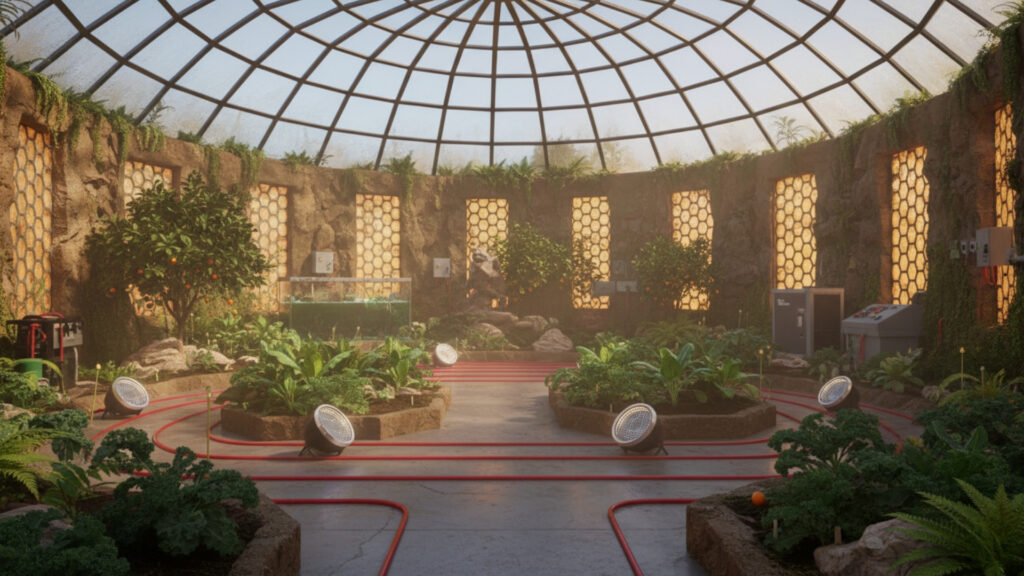
While underground greenhouses rely heavily on passive solar heating, extremely cold climates may require supplemental heating. Energy efficient options such as radiant floor heating or small electric heaters can provide additional warmth during severe winter nights. These systems should only act as backups rather than primary heat sources.
Solar powered heaters or compost heat systems are sustainable alternatives. Proper insulation combined with thermal mass reduces reliance on artificial heating. A balanced heating strategy ensures crops remain protected even during unexpected cold spells. Backup systems add security without compromising sustainability goals.
10. Strategic Crop Planning for Year-Round Harvests
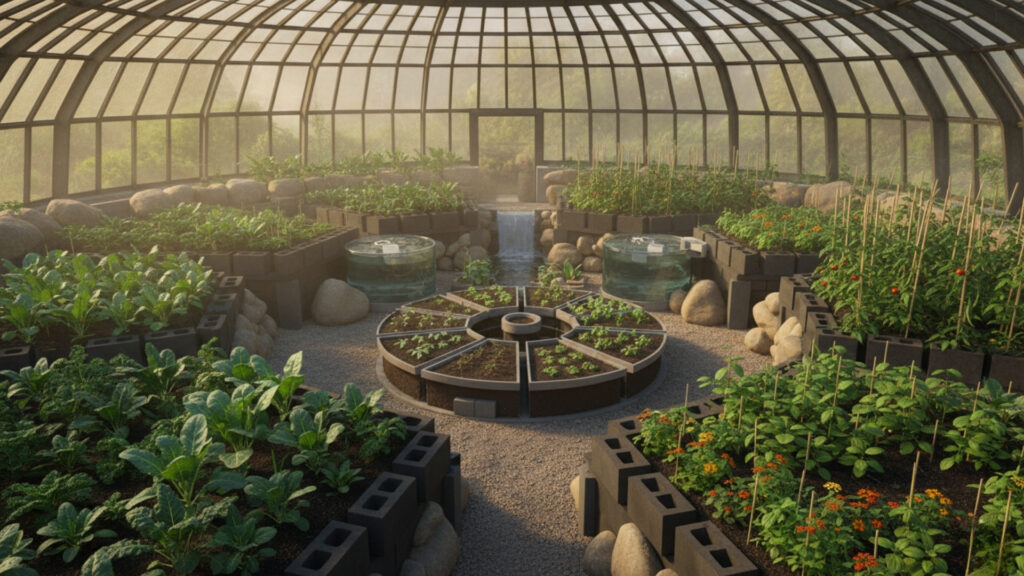
An underground greenhouse allows for continuous crop production when planned correctly. Cold-hardy vegetables such as spinach, kale, and lettuce thrive during the winter months. Warm-season crops like tomatoes and peppers can flourish when temperatures remain stable.
Rotating crops and dividing planting zones increase productivity and soil health. Companion planting enhances natural pest control and maximizes space efficiency. By carefully planning seasonal growth cycles, gardeners can enjoy fresh produce throughout the year. Strategic crop management transforms the greenhouse into a consistent food source.
11. Sustainable Water Collection and Irrigation Systems
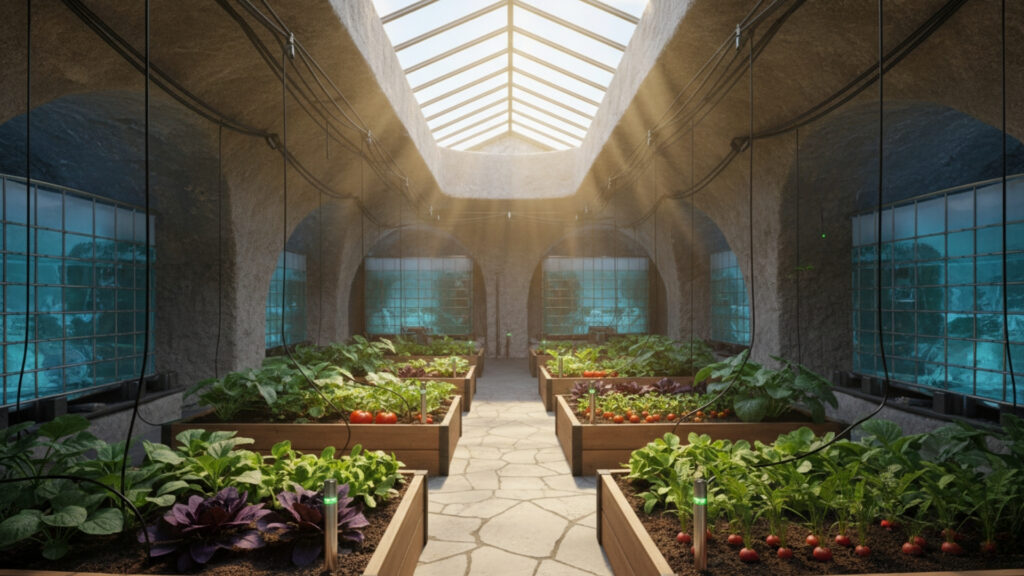
Water efficiency is another key advantage of underground greenhouse design. Rainwater harvesting systems can collect water from surrounding surfaces and store it in tanks for irrigation use. Drip irrigation systems deliver water directly to plant roots, minimizing waste and evaporation.
Installing moisture sensors helps maintain optimal soil hydration levels. This reduces overwatering and protects plant health. Sustainable irrigation practices conserve resources while supporting strong plant growth. Efficient water management completes a well-balanced underground greenhouse system.
Summary
An underground greenhouse combines earth sheltered construction, passive solar design, thermal mass storage, and proper insulation to create a stable year-round growing environment. By incorporating smart ventilation, drainage systems, energy-efficient heating backups, and sustainable irrigation methods, gardeners can cultivate crops in all seasons with reduced energy consumption. Strategic crop planning and durable materials ensure long-term productivity and structural resilience. With thoughtful design and sustainable practices, an underground greenhouse becomes an innovative and reliable solution for continuous, eco-friendly food production.