
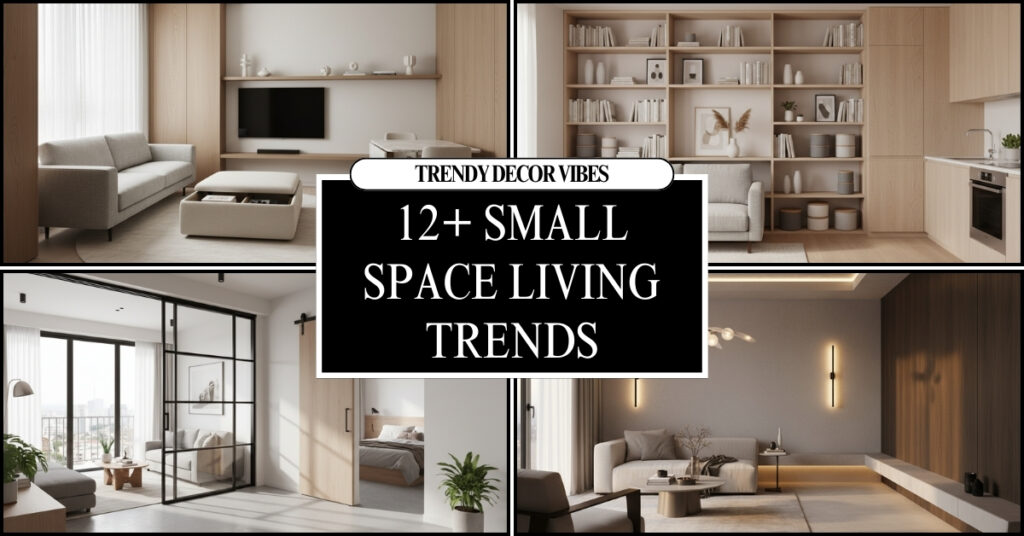
Small Space Living Trends are redefining how modern homes function, blending style with smart efficiency. As urban homes become more compact, designers are focusing on multifunctional layouts that maximize every square foot without sacrificing comfort. Built-in storage solutions, foldable furniture, and modular seating help create flexible environments that easily adapt to daily needs. Clean lines, light color palettes, and minimal decor also make small interiors feel open and breathable rather than cramped.
Modern small-space design emphasizes vertical storage, hidden compartments, and convertible pieces like sofa beds or expandable dining tables. Smart home technology further enhances functionality, allowing lighting, temperature, and storage systems to work seamlessly within limited areas. Mirrors and large windows are strategically used to amplify natural light and create the illusion of depth. By prioritizing intentional design and clutter-free organization, these trends transform compact homes into stylish, highly practical living spaces that feel both modern and inviting.
1. Multi-Functional Furniture for Maximum Efficiency
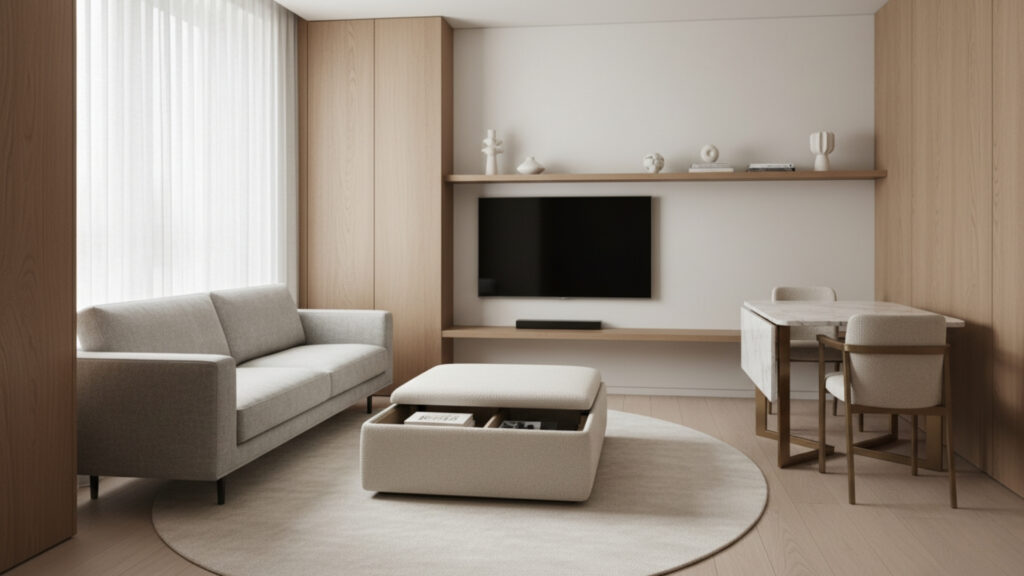
One of the leading small space living trends is the use of multi-functional furniture that serves more than one purpose. In compact homes and apartments, every piece must justify its presence. Sofa beds, extendable dining tables, and ottomans with hidden storage provide flexibility without cluttering the room. This approach allows homeowners to enjoy comfort while preserving valuable floor space.
Designers are focusing on clean lines and lightweight forms that do not visually overwhelm the room. Furniture that folds, stacks, or transforms easily adapts to daily needs. By selecting versatile pieces, small homes feel organized and intentional. Multi-functional furniture ensures both practicality and modern style coexist beautifully.
Also Explore: 9 Living Room Furniture Ideas To Enhance Your Room Instantly
2. Built-In Storage Solutions for Clutter-Free Living
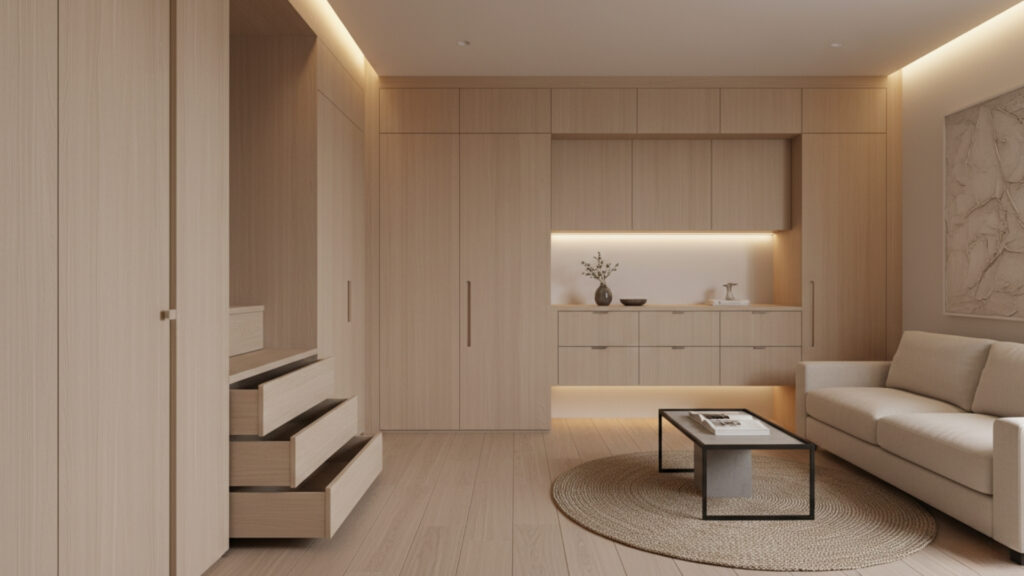
Built-in storage is becoming essential in compact interiors where space is limited. Custom shelving, under-stair drawers, and wall-mounted cabinets make use of areas that would otherwise go unused. These solutions keep belongings organized while maintaining a streamlined aesthetic. Hidden storage prevents visual clutter and creates a sense of calm.
Floor-to-ceiling cabinetry maximizes vertical space and enhances functionality. Integrated wardrobes and window seat storage offer both practicality and charm. When storage blends seamlessly with walls and architecture, rooms feel larger and more cohesive. Built-in designs are a smart and stylish way to maintain order.
3. Minimalist Decor for an Open and Airy Feel
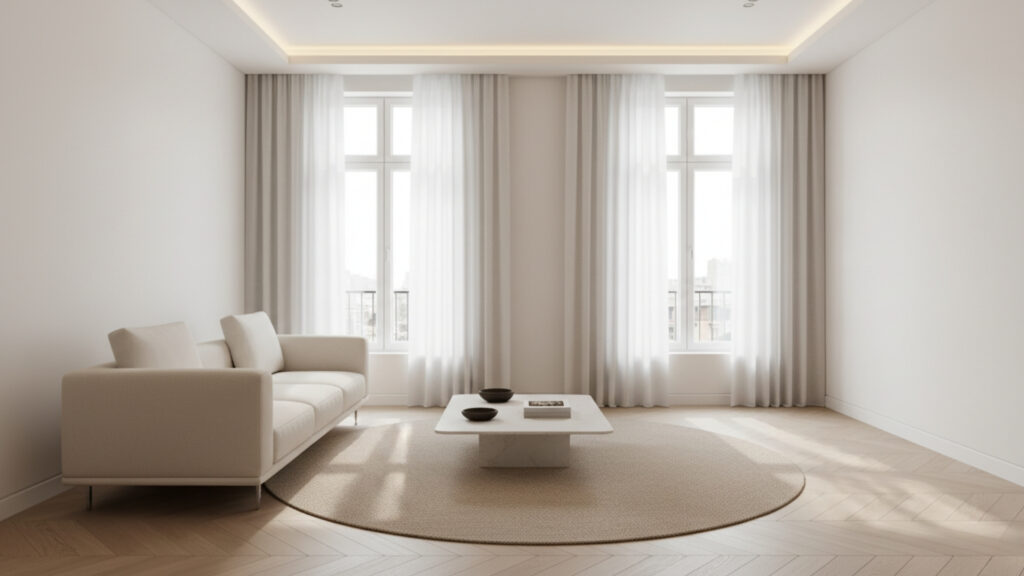
Minimalism continues to dominate small space living trends because it promotes simplicity and clarity. Reducing excess furniture and decorative items allows rooms to breathe. Clean surfaces and intentional design choices make compact areas feel more spacious. Neutral color palettes further enhance openness and light.
Choosing a few meaningful decor pieces instead of many small accessories creates visual balance. Streamlined furniture with sleek silhouettes avoids heaviness. Minimalist design emphasizes quality over quantity, making each item stand out. This trend transforms small interiors into calm, elegant environments.
4. Vertical Design to Maximize Wall Potential
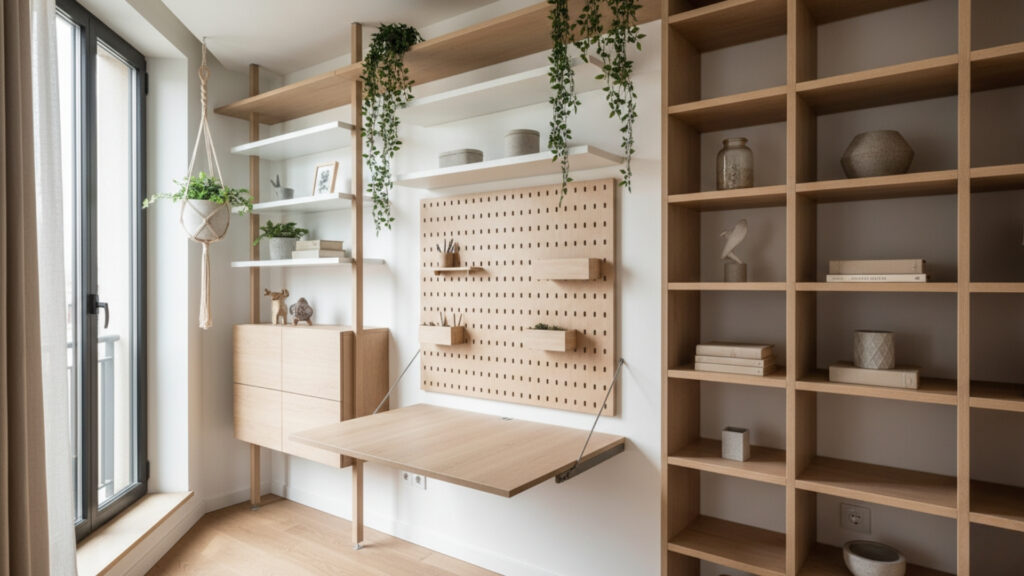
Vertical design strategies help homeowners make the most of limited square footage. Tall shelving units, hanging storage, and wall-mounted desks utilize upward space efficiently. Drawing the eye upward creates the illusion of higher ceilings and expanded room dimensions.
Floating shelves and tall bookcases provide both display and storage without occupying floor area. Hooks, pegboards, and vertical gardens also add functionality. By focusing on walls rather than floors, compact homes gain valuable organization space. Vertical design enhances both practicality and visual height.
Also Explore: 9 Cozy Winter Living Room Ideas to Make Your Space Inviting
5. Light Color Palettes to Expand Visual Space
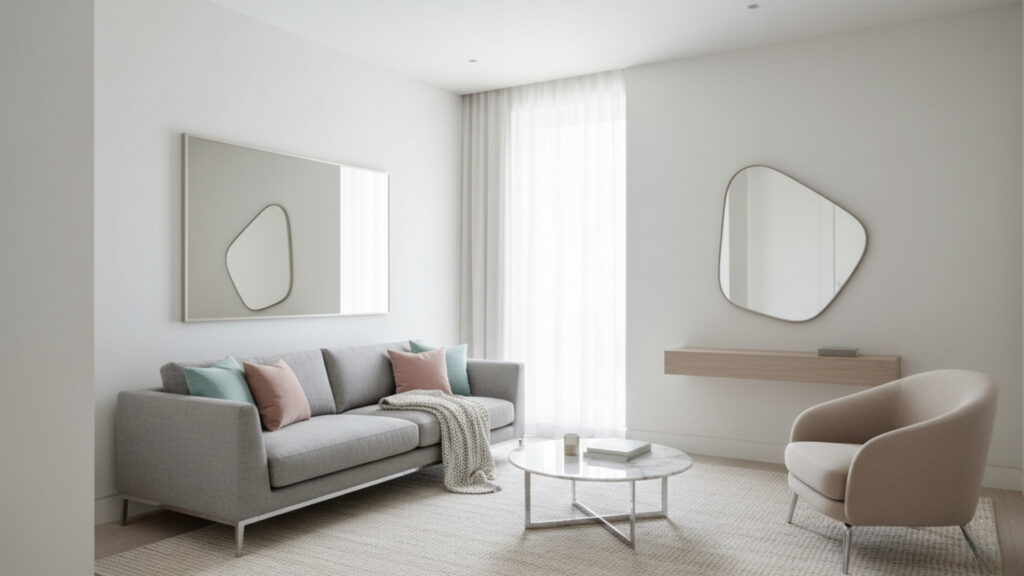
Light colors are a timeless solution for making small spaces appear larger. Whites, soft grays, beige, and pastel tones reflect natural light and brighten interiors. These shades create a sense of openness that prevents rooms from feeling cramped.
Using a consistent light palette across walls, furniture, and textiles maintains visual continuity. Subtle contrast through textures adds depth without heaviness. Mirrors can further amplify light and space perception. A bright and cohesive color scheme dramatically enhances small interiors.
6. Smart Home Technology for Compact Efficiency
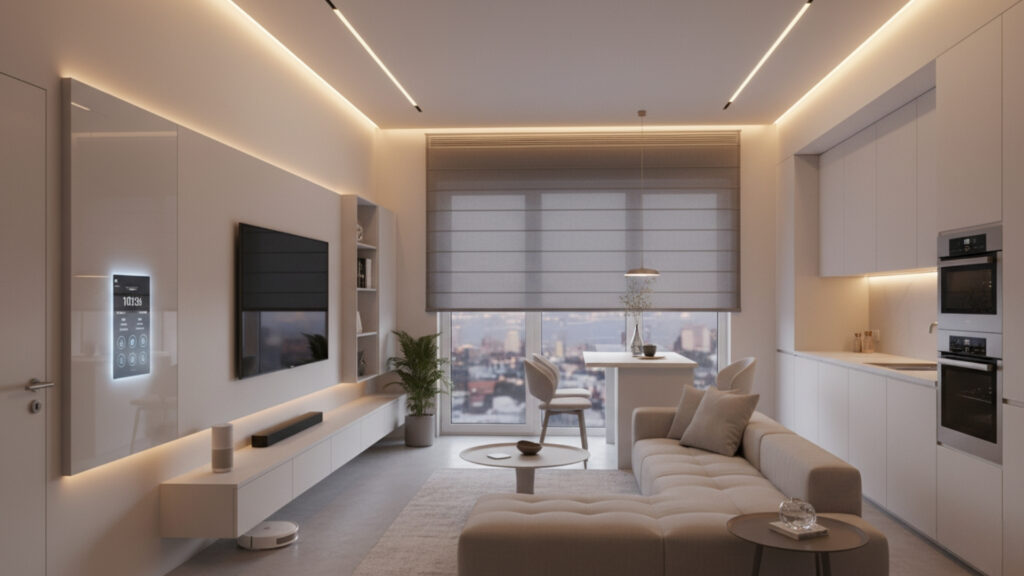
Smart home technology is becoming increasingly popular in small living environments. Compact smart lighting systems, automated blinds, and space-saving appliances improve convenience without requiring extra room. Technology reduces the need for bulky controls and additional devices.
Integrated systems allow residents to control lighting, temperature, and security from a single device. This reduces clutter and enhances modern appeal. Small homes benefit greatly from streamlined tech solutions that improve efficiency. Smart features elevate comfort while maintaining simplicity.
7. Open Shelving for Functional and Stylish Display
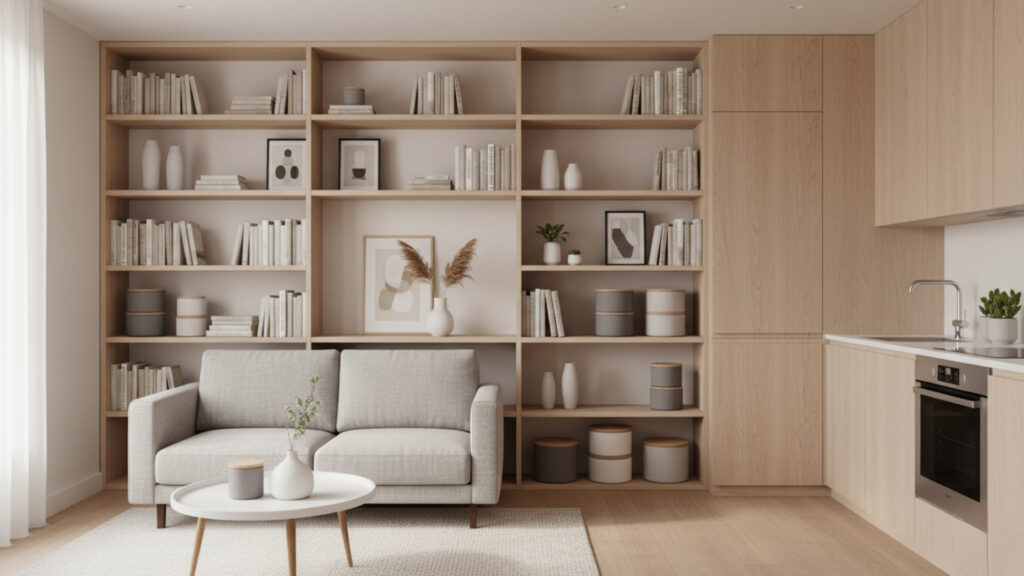
Open shelving combines storage with decorative expression in compact spaces. Instead of bulky cabinets, open shelves provide easy access and visual lightness. They are ideal for kitchens, living rooms, and home offices where storage must remain accessible.
Careful styling prevents shelves from appearing overcrowded. Coordinated containers and neatly arranged books or dishes create order. Open shelving also encourages intentional organization habits. This trend balances practicality and aesthetic appeal in small interiors.
8. Sliding Doors to Save Valuable Floor Space
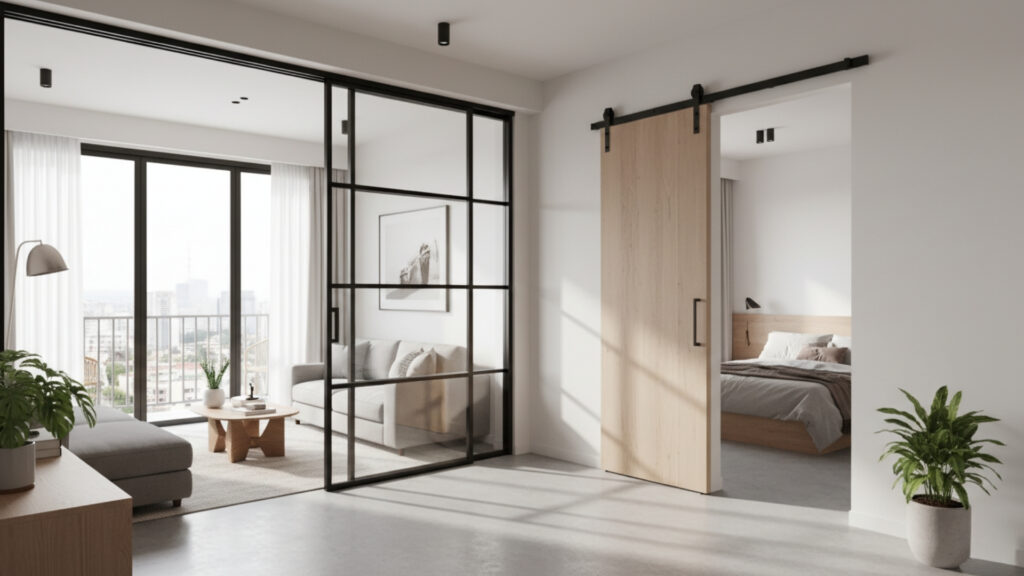
Traditional swinging doors require clearance space that small homes often cannot afford. Sliding doors eliminate this issue by gliding along walls or into pockets. This design instantly frees up floor space and improves room flow.
Glass sliding doors can also increase natural light and openness. Barn-style or minimalist track systems add character without heaviness. Sliding doors are practical solutions that maintain both functionality and modern style. They enhance flexibility in compact layouts.
9. Flexible Room Dividers for Adaptable Layouts
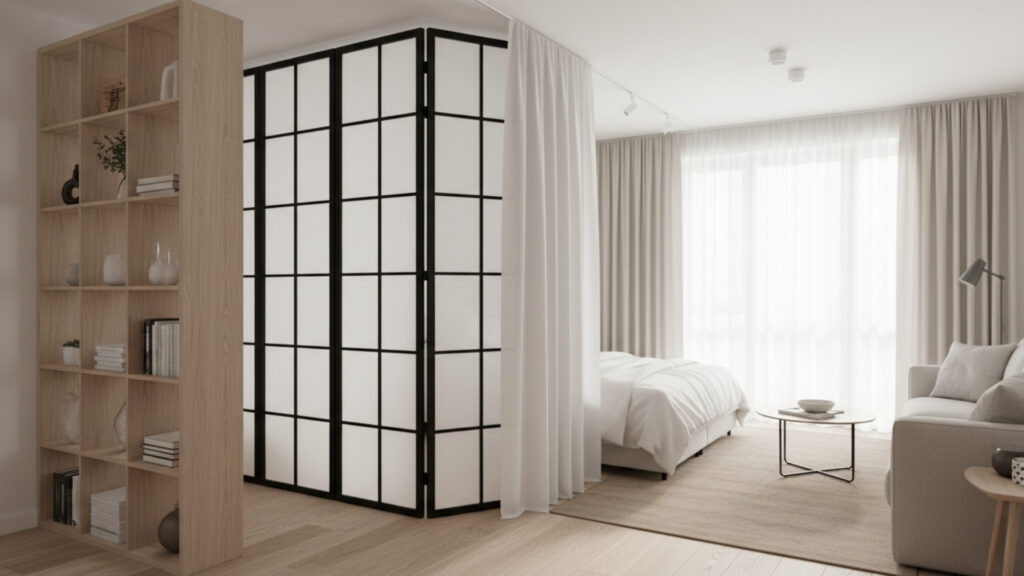
Flexible room dividers allow small homes to adapt to changing needs. Folding screens, curtains, and modular shelving units can separate areas without permanent walls. This creates privacy while maintaining openness.
Lightweight partitions can easily be moved or removed depending on the situation. Transparent or semi-transparent materials preserve natural light flow. Flexible dividers are perfect for studio apartments and multifunctional spaces. They offer versatility without compromising spaciousness.
10. Compact Kitchen Designs with Smart Layouts
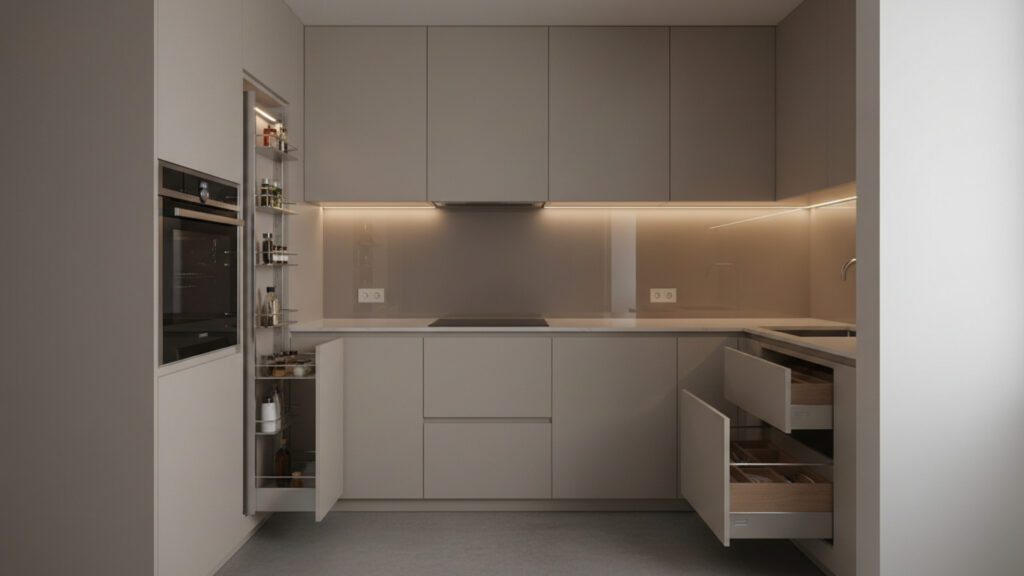
Small kitchens benefit from strategic layouts that maximize every inch. L-shaped or galley designs optimize workflow while maintaining efficiency. Integrated appliances and slim cabinetry reduce bulk.
Pull out drawers, vertical racks, and corner storage systems enhance organization. Using reflective surfaces and under-cabinet lighting brightens the space. Compact kitchen designs focus on functionality while preserving style. Smart planning transforms limited areas into highly efficient cooking zones.
11. Mirrors to Create the Illusion of Depth
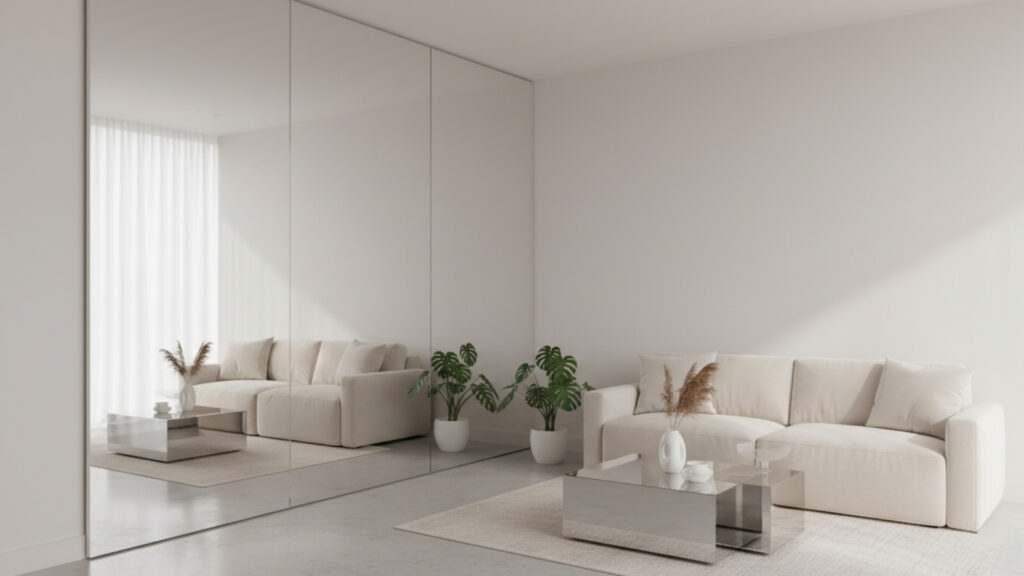
Mirrors are a powerful design tool in small space living trends. Strategically placed mirrors reflect light and visually double the perceived space. Large wall mirrors can dramatically transform compact rooms.
Mirrored furniture or decorative panels also enhance brightness. Positioning mirrors opposite windows maximizes natural light reflection. This simple addition creates depth and openness without structural changes. Mirrors are an affordable and effective expansion technique.
12. Hidden Workspaces for Modern Remote Living
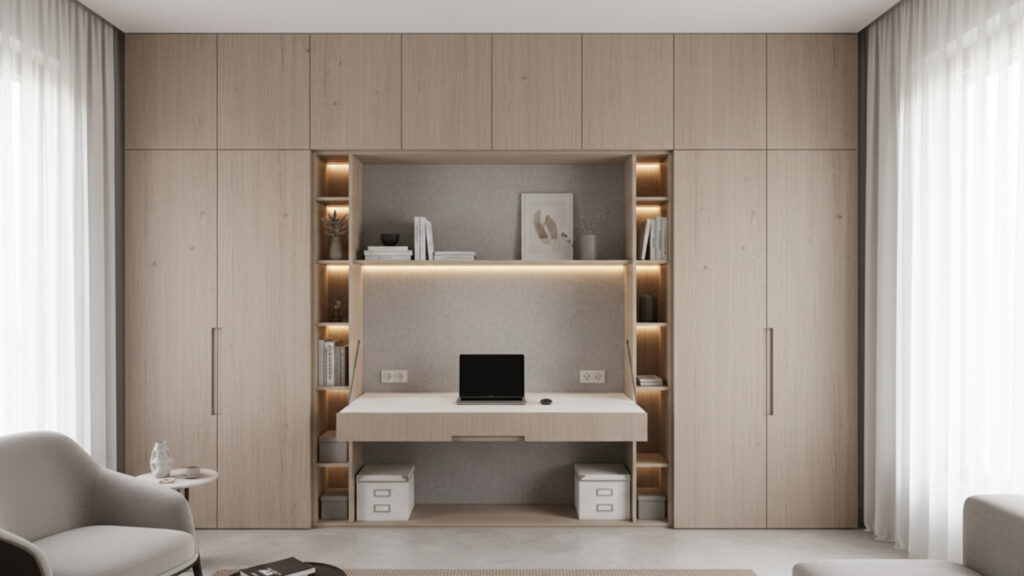
With remote work becoming common, hidden workspaces are increasingly important. Fold-down desks, wall-mounted workstations, and closet offices provide functionality without permanent setup. These designs maintain a clean appearance when not in use.
Compact office solutions blend seamlessly into living areas. Integrated lighting and storage ensure productivity within limited space. Hidden workspaces prevent clutter from dominating the home. This trend supports modern lifestyles in small interiors.
13. Statement Lighting for Style Without Bulk
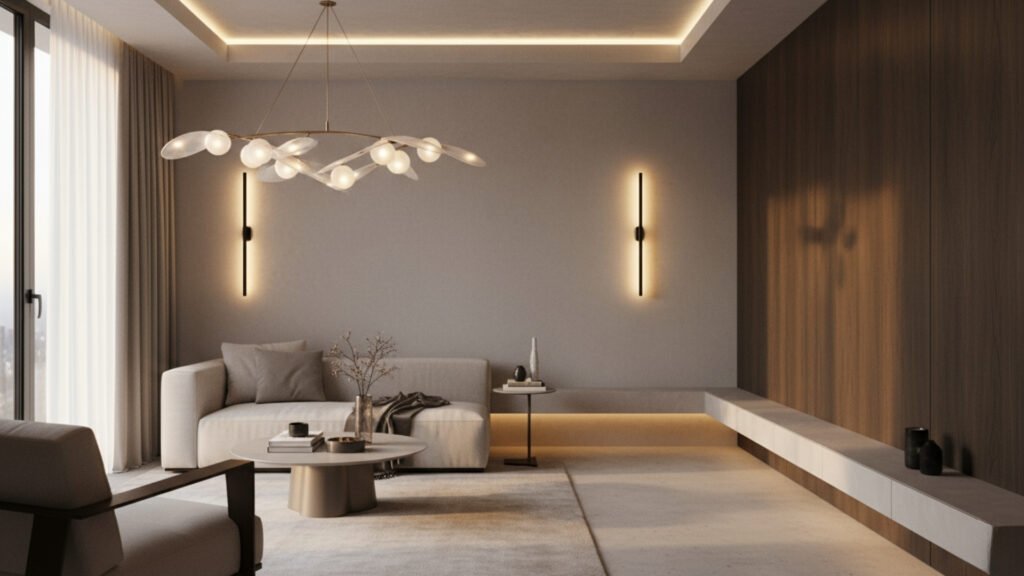
Lighting plays a major role in defining compact interiors. Instead of large floor lamps, designers are using pendant lights and wall sconces. These fixtures provide illumination without occupying floor space.
Statement lighting adds personality and focal points to small rooms. Layering ambient and task lighting enhances comfort and usability. Sleek and minimal fixtures maintain visual openness. Thoughtfully chosen lighting elevates both atmosphere and design.
Summary
Small space living trends focus on maximizing functionality, maintaining simplicity, and creating visual openness through smart design strategies. From multi-functional furniture and built-in storage to sliding doors, vertical layouts, and light color palettes, each element works together to enhance comfort and efficiency. By combining practicality with modern aesthetics, compact homes can feel spacious, organized, and stylish without sacrificing personality or convenience.

