
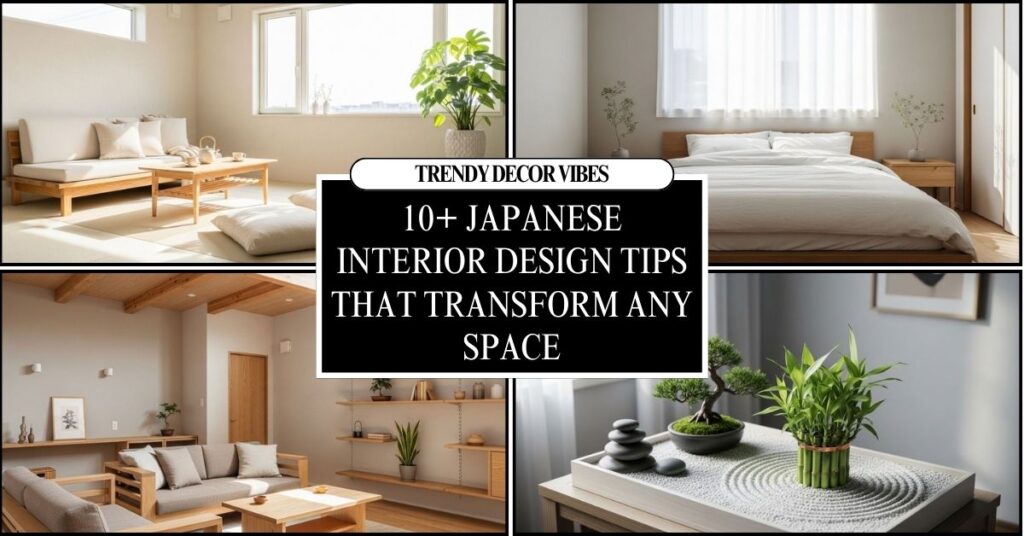
Japanese interior design is loved on Pinterest because it feels calm, clean, and peaceful. It focuses on simple furniture, soft colors, and natural materials like wood and stone. Many people are inspired by traditional homes in Japan and modern apartments in Kyoto. This style is not about filling a room with many items. It is about choosing only what is useful and beautiful.
This design style helps create a relaxing space where you can rest and feel stress-free. It uses open space, natural light, and low furniture to make rooms feel bigger and brighter. Pinterest users love saving these ideas because the look is simple but very elegant. If you want your home to feel warm, balanced, and peaceful, Japanese interior design is a perfect choice.
1. Minimalist Zen Living Room
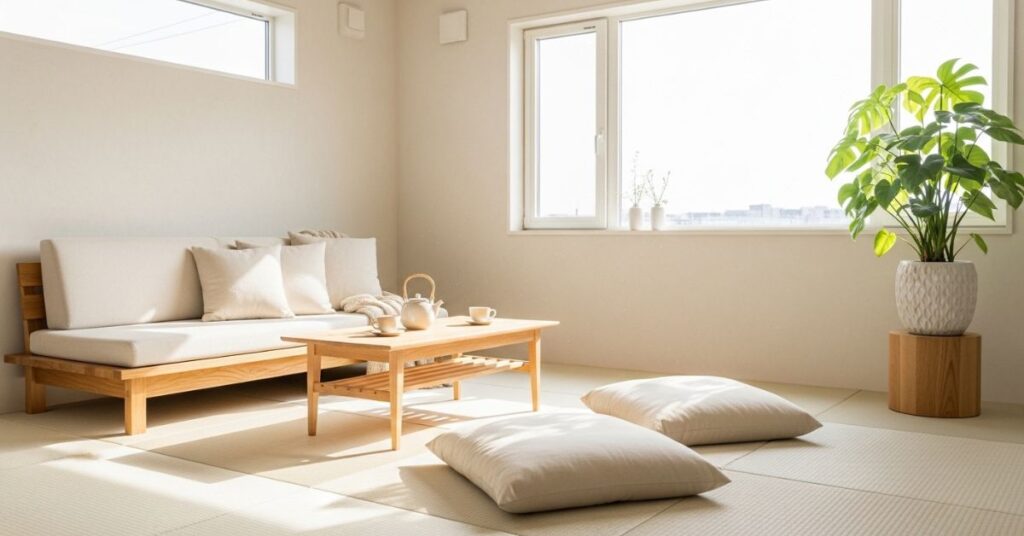
A minimalist Zen living room focuses on open space and simple furniture. The sofa is usually low and made from wood or soft fabric in light colors. Floor cushions and a small wooden table make the space feel relaxed and welcoming. The room should not look crowded. Each item should have a purpose and add beauty to the space.
Natural light is very important in this design. Large windows allow sunlight to fill the room and create a calm feeling. Adding one or two green plants brings life without making the room busy. Soft neutral tones like white, beige, and light brown help create a peaceful environment that feels perfect for rest and quiet moments.
2. Shoji Screens and Sliding Doors
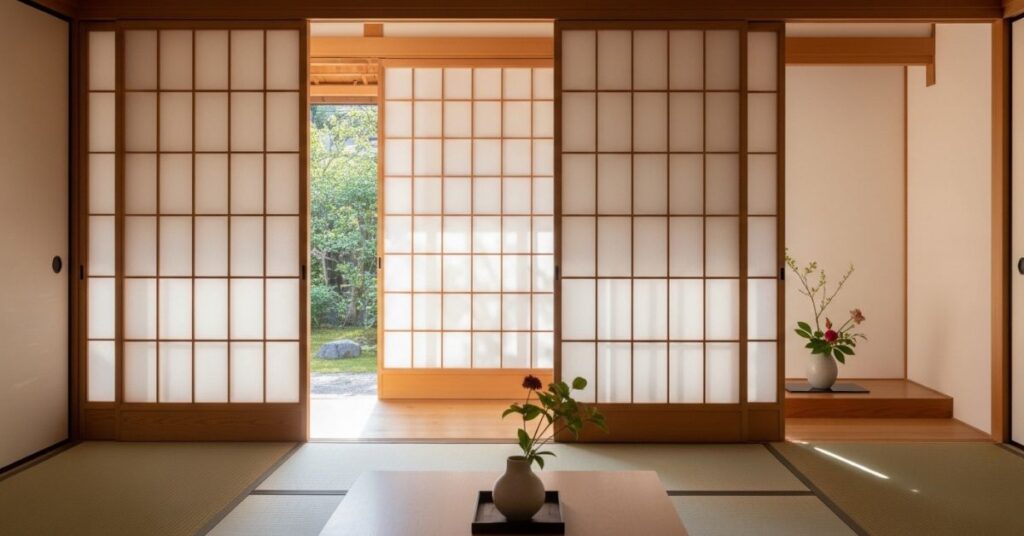
Shoji screens are traditional sliding panels made from wood and paper. They are often used to divide rooms while still allowing light to pass through. This makes the space feel open and bright. Instead of heavy doors, these light panels create a soft and elegant look that many Pinterest users love.
Sliding doors also help save space and keep the design simple. The natural wood frame adds warmth, while the white paper panels keep the room light and airy. Shoji screens work well in living rooms, bedrooms, or even home offices. They add a touch of Japanese culture and beauty without making the space feel busy.
3. Neutral Color Palette with Earthy Accents
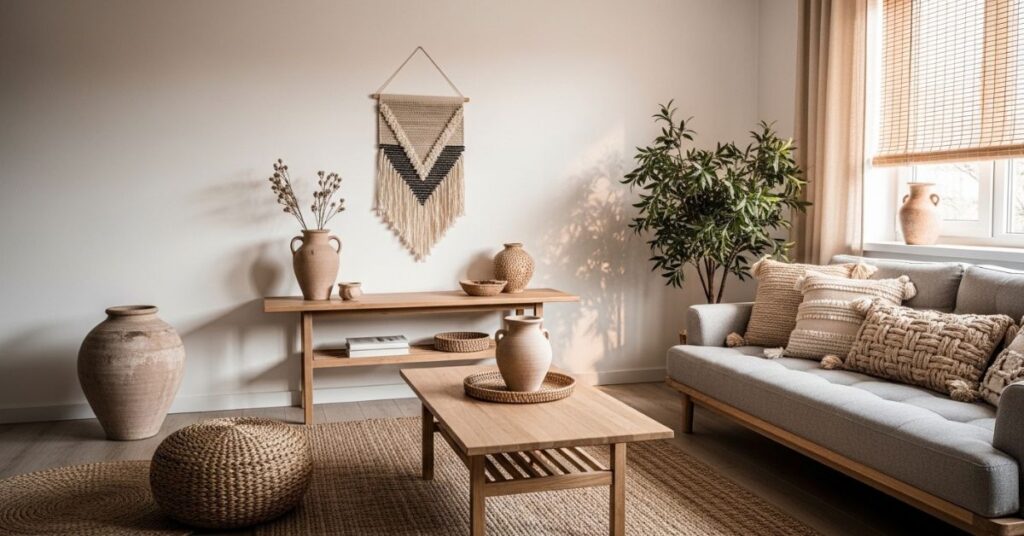
Japanese interior design uses soft and natural colors. Beige, warm white, light gray, and soft brown are common choices. These colors make the room feel calm and clean. Instead of bright and bold shades, the focus is on gentle tones that create balance and comfort.
Earthy accents like clay pots, wooden shelves, and stone decor add texture and depth. These natural materials make the space feel connected to nature. Adding small details like linen cushions or woven rugs can make the room feel warm and cozy while still keeping the simple and peaceful style.
4. Tatami Mat Flooring Inspiration
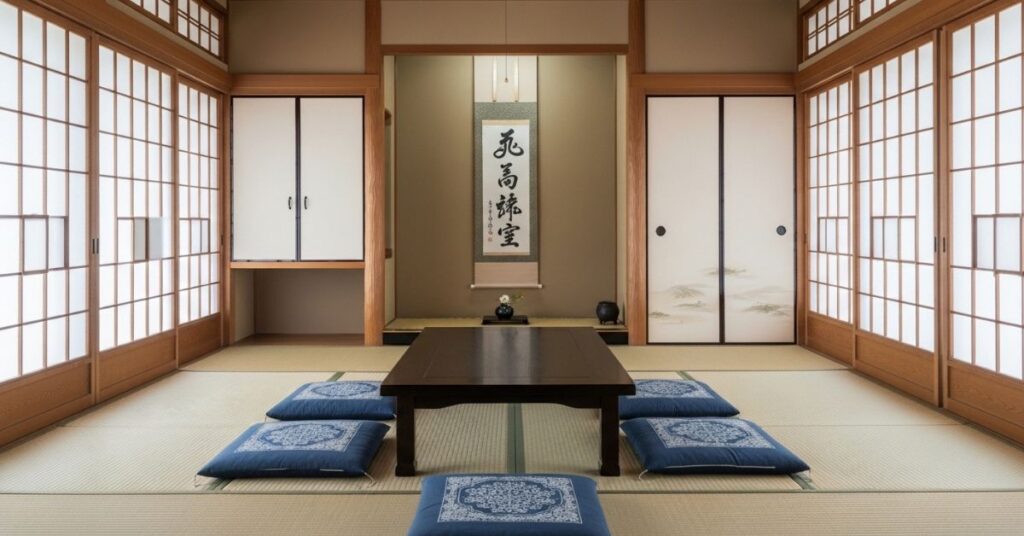
Tatami mats are traditional floor mats made from natural straw. They bring texture and warmth to a room. The soft surface makes it comfortable to sit or walk barefoot. Many Japanese-style rooms use tatami mats instead of regular flooring to create a calm and natural feeling.
These mats work beautifully in bedrooms, meditation rooms, or small sitting areas. Pair them with low tables and floor cushions to complete the look. The natural color of tatami adds a soft green and beige tone to the space, which fits perfectly with a simple and peaceful interior design style.
5. Japandi Fusion Style
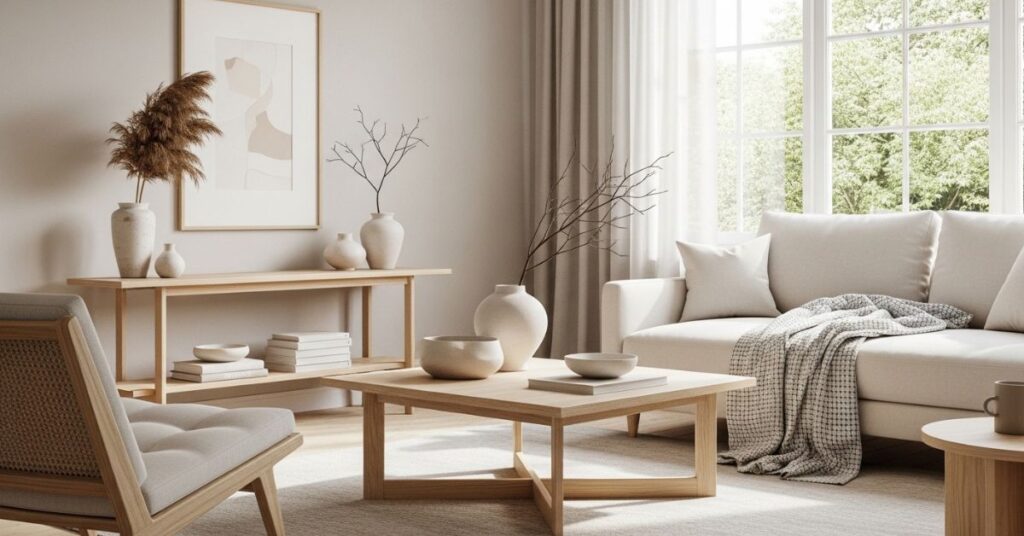
Japandi style is a mix of Japanese design and Scandinavian simplicity. It combines clean lines with cozy details. The furniture is simple and low, but soft blankets and warm lighting add comfort. This style is very popular on Pinterest because it feels modern yet peaceful at the same time.
Light wood furniture, soft fabrics, and neutral colors are key features of Japandi design. The space should feel open and organized, with only a few meaningful decor items. By mixing warmth and minimalism, Japandi creates a balanced home that feels both stylish and relaxing.
Read More: Japandi Decor Ideas That Make Your Home Feel Calm Instantly
6. Low Platform Beds for a Serene Bedroom
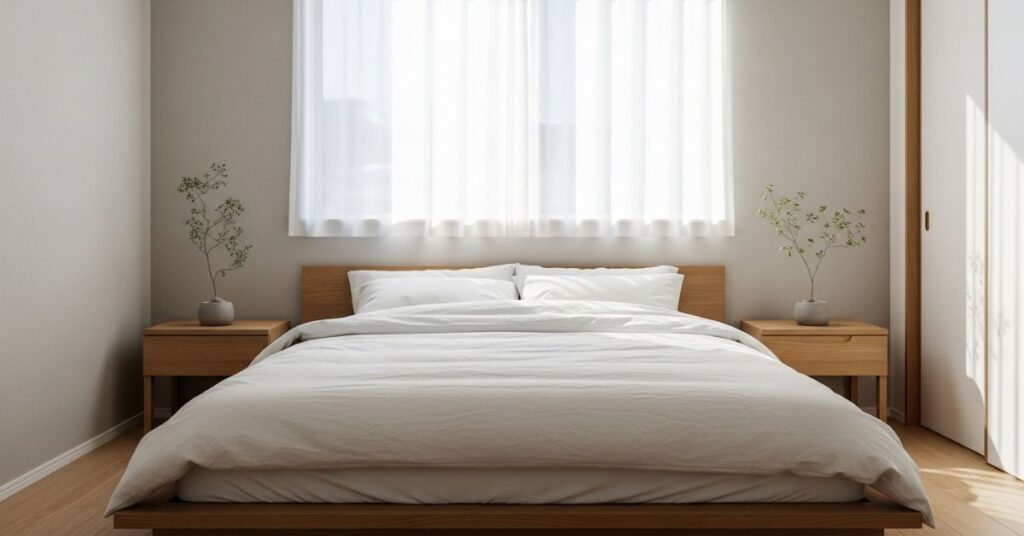
Low platform beds are a key feature in Japanese bedrooms. They sit close to the floor, creating a sense of openness and calm. The low height makes the room feel larger and more relaxing. Pairing it with soft bedding in neutral colors keeps the design simple, elegant, and peaceful, perfect for a bedroom meant for rest and quiet moments.
These beds often come with simple wooden frames and minimal decorations. Adding a small side table or floor lamp keeps functionality without clutter. The natural wood and light fabrics complement other Japanese design elements like tatami mats or neutral walls. A low platform bed helps create a serene and Pinterest-worthy bedroom aesthetic.
7. Indoor Zen Garden Corners
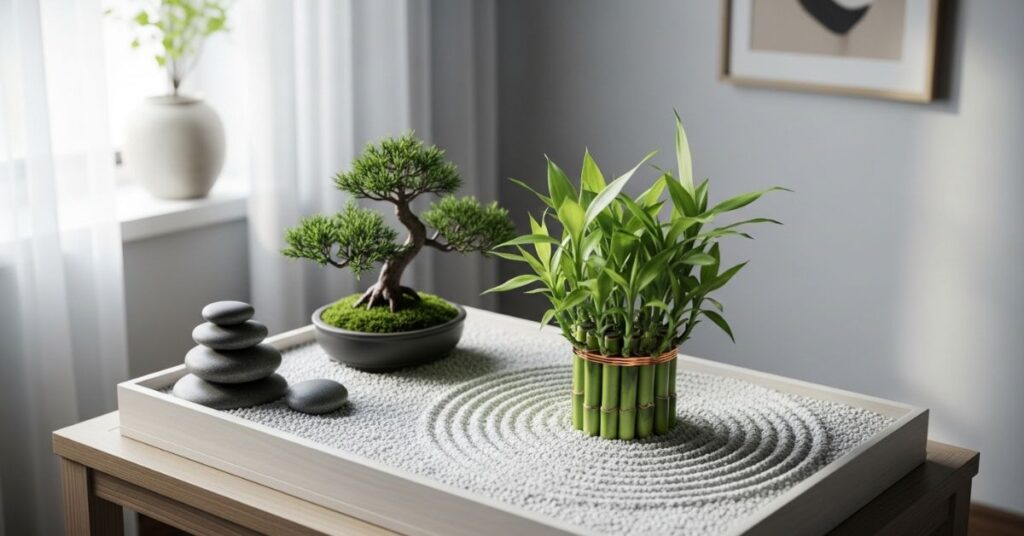
Indoor Zen gardens bring calm and mindfulness into a home. A small corner with white pebbles, bonsai trees, or bamboo plants creates a mini retreat inside your living space. The simplicity and balance of elements help reduce stress and add a peaceful visual focus in any room.
Zen gardens are easy to style in small spaces like shelves, tables, or window corners. Using a few natural elements like rocks, sand, or small plants keeps the look clean and minimal. This type of decor adds a natural touch to your home while creating a relaxing area for meditation or quiet reflection.
8. Natural Wood Elements Everywhere
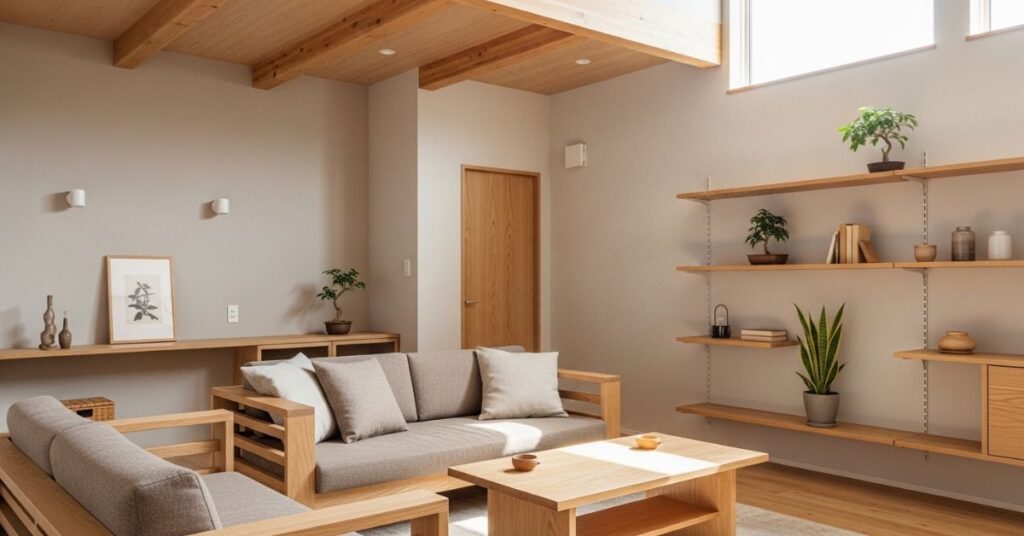
Natural wood is a central feature in Japanese interiors. Light oak, bamboo, and cedar bring warmth and texture to rooms. Using wood in furniture, shelving, and even ceiling beams adds an organic and calming touch. The natural color palette helps the space feel connected to nature, creating a relaxing environment.
Wood elements work well with soft fabrics, neutral walls, and indoor plants. Combining different wood textures and tones creates visual interest without cluttering the room. Natural wood is timeless, functional, and perfect for creating Pinterest-inspired spaces that feel warm, minimal, and harmonious.
9. Statement Paper Lantern Lighting
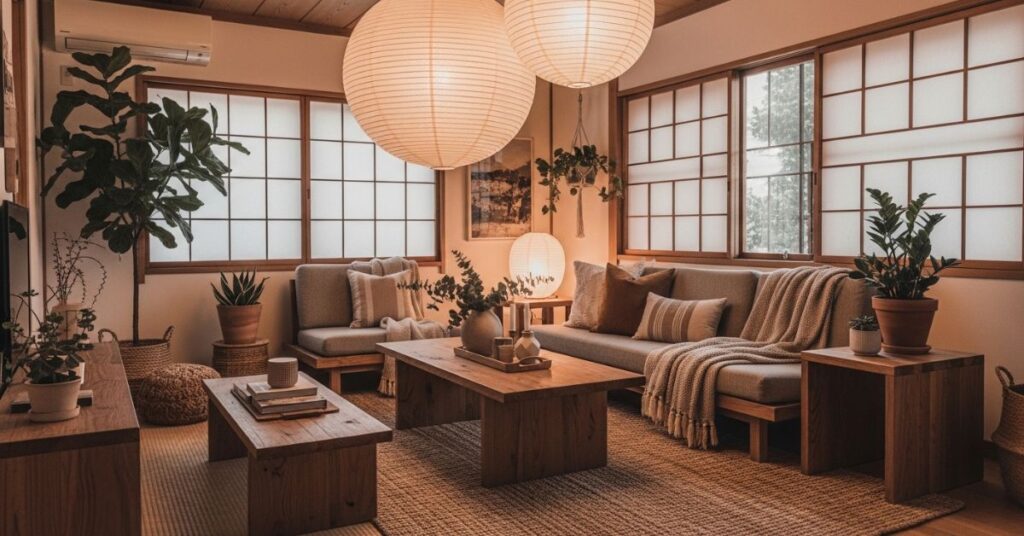
Paper lanterns are iconic in Japanese interior design. They give soft, warm light that creates a cozy and calm atmosphere. Hanging a few lanterns in a living room or bedroom adds elegance and a traditional Japanese touch while keeping the design minimal and peaceful.
Lanterns come in various shapes and sizes, from small desk lamps to large hanging fixtures. The paper diffuses light softly, making the space feel inviting. Pairing them with natural materials like wood or bamboo enhances the warm, serene look. Statement paper lanterns are both functional and decorative, perfect for Pinterest-friendly interiors.
10. Wabi-Sabi Decor Details
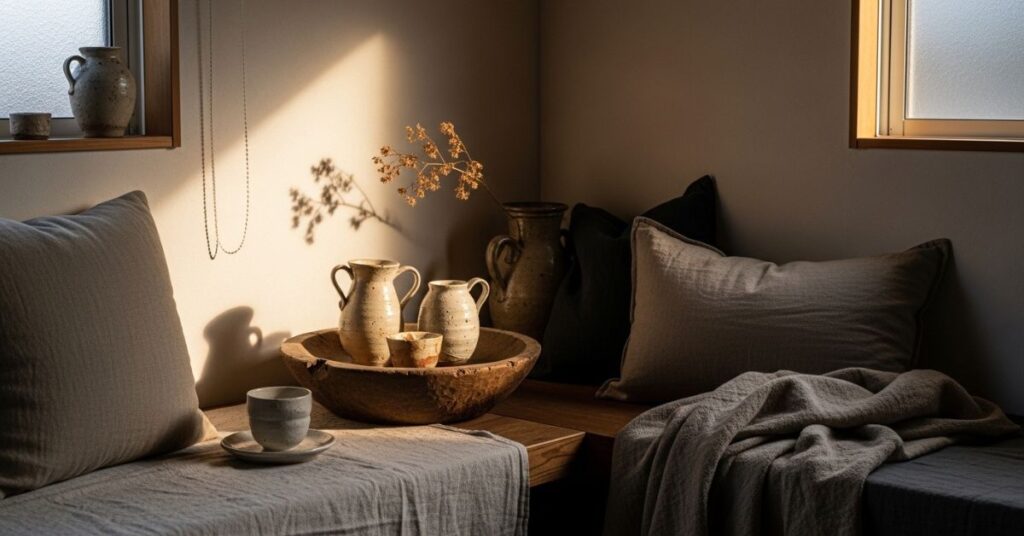
Wabi-Sabi celebrates imperfection and natural beauty. Handmade ceramics, rough wooden bowls, and uneven textures add charm to a space. This style values simplicity and authenticity rather than perfection, which creates a relaxed and unique home environment. Each piece tells a story, adding character to a minimalistic Japanese interior.
Small Wabi-Sabi details like linen cushions, handcrafted vases, or aged wood bring warmth and texture. They make the room feel lived-in yet calm. Adding these natural and imperfect pieces allows the space to feel personal, cozy, and Pinterest-worthy without losing the clean and minimal Japanese aesthetic.
11. Japanese-Inspired Entryway
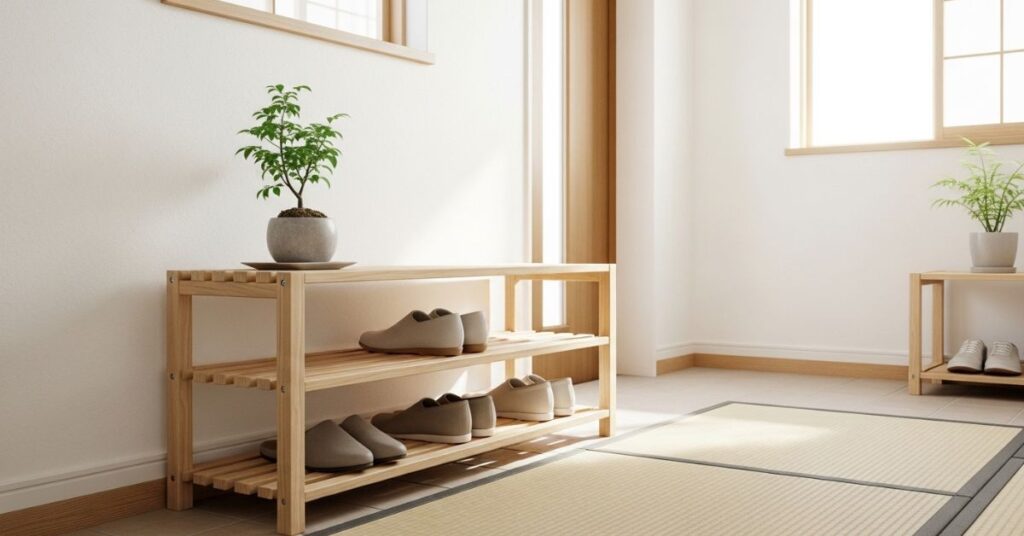
The Genkan is a traditional Japanese entryway designed for removing shoes and welcoming guests. A simple wooden shoe rack, a small mat, and clean surfaces create a tidy and functional space. Keeping it minimal ensures the first impression of the home is calm and organized.
Adding natural elements like a small plant or wooden tray enhances the warmth of the area. Neutral colors and soft lighting make the entryway feel inviting. This simple yet practical design allows the space to stay clutter-free while reflecting Japanese interior aesthetics.
12. Indoor-Outdoor Flow Concept
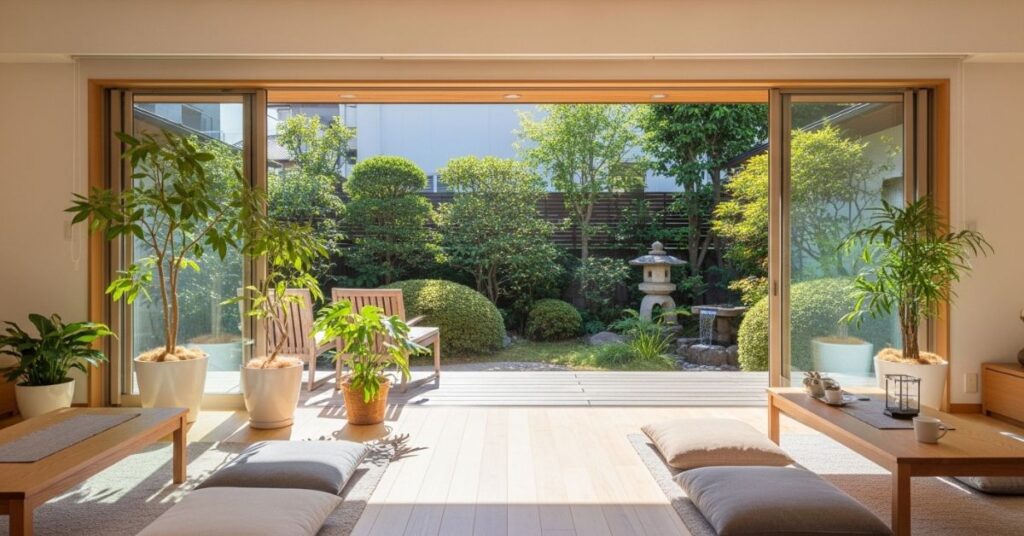
Japanese interiors often focus on blending indoor and outdoor spaces. Large windows or sliding doors allow natural light to flow in while connecting the home with a garden or balcony. This design brings nature inside, making the space feel open, calm, and relaxing.
Using similar materials and colors indoors and outdoors enhances the flow. Wooden floors, plants, and neutral tones create harmony and continuity. This concept helps rooms feel larger and more peaceful while creating a Pinterest-perfect, serene environment.
13. Minimalist Japanese Bathroom Retreat
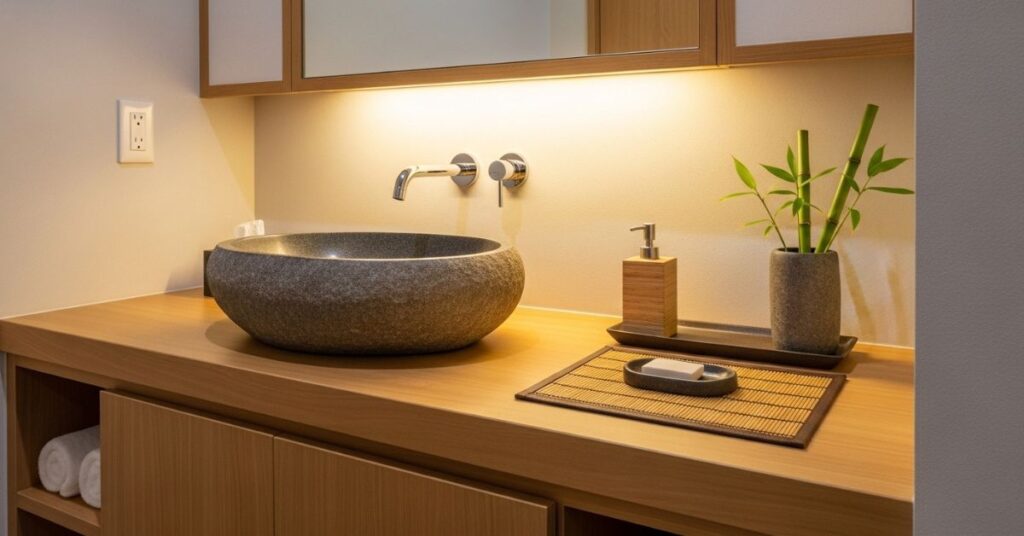
A minimalist Japanese bathroom focuses on calmness and simplicity. Stone sinks, wooden vanities, and bamboo accessories create a natural, spa-like atmosphere. Keeping surfaces clean and clutter-free helps enhance relaxation and makes the room feel larger.
Soft, warm lighting and neutral colors complete the serene look. Small details like natural towels, wooden bath mats, or indoor plants enhance the calming feeling. This style transforms a regular bathroom into a peaceful retreat, perfect for Pinterest inspiration and mindful living.
Summary
Japanese interior design is all about simplicity, natural beauty, and peaceful living. From Wabi-Sabi decor details to serene Genkan entryways, indoor-outdoor flow, and minimalist bathrooms, every space focuses on balance and calm. Using neutral colors, natural materials, and clean layouts, these interiors create a relaxing and Pinterest-worthy environment. Embracing Japanese design helps homes feel open, warm, and perfectly curated for quiet, mindful living.

