
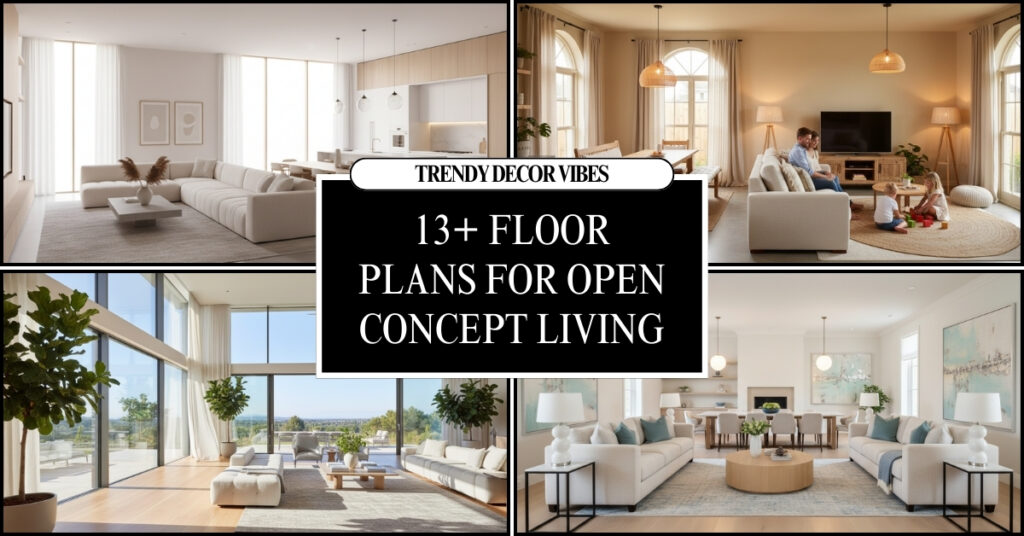
Floor plans for open concept living focus on creating spacious, connected interiors where movement, light, and functionality work together seamlessly. By reducing unnecessary walls, open layouts allow living, dining, and kitchen areas to interact naturally. This design approach enhances visual openness and encourages social interaction within the home environment.
Successful open concept planning requires balance, not emptiness. Thoughtful zoning, furniture placement, and proportion control prevent the space from feeling chaotic. When designed correctly, open concept floor plans support daily routines, improve flexibility, and create homes that feel modern, welcoming, and highly functional.

Modern Design Studying Light for Living Room
- Polished Type
- Wood Material
- 19″D x 19″W x 61″H
- 6.28 Pounds Weight
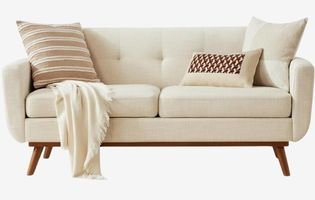
Mid Century Modern Decor Love Seat Couches
- 660 Pounds Weight Limit
- 6.3 Inches Length
- 32.7″D x 65″W x 31.9″H
- 23 inches Depth
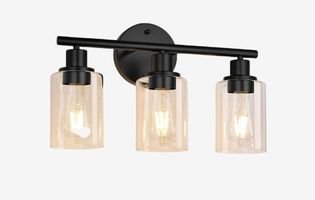
Black Modern Vanity Lights with Clear Glass Shade
- 17.23″L x 4.1″W x 8.2″H
- 4.4 Pounds
- Non Removable
- Waterproof
1. Centralized Living Areas in Open Concept Floor Plans
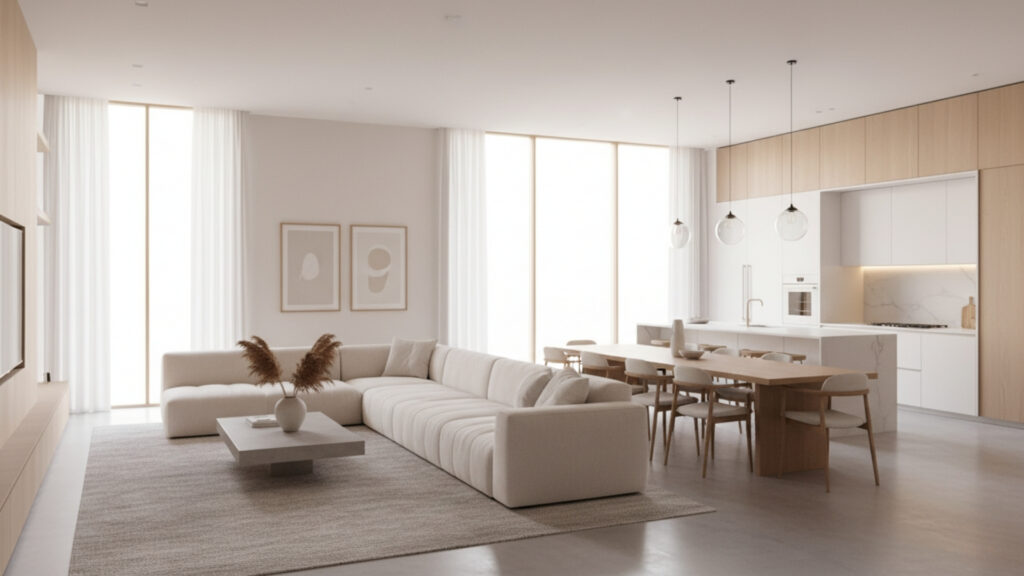
Centralized layouts are a core feature of floor plans for open concept living. Positioning the living area at the heart of the home allows smooth transitions between the kitchen and dining spaces. This configuration improves accessibility and encourages interaction while maintaining a natural flow throughout the home.
A central living zone creates visual continuity and spatial balance. Clear sightlines make spaces feel larger and more connected. When circulation paths remain unobstructed, the home functions efficiently while maintaining comfort and openness without sacrificing structure.
2. Kitchen Placement Strategies in Open Concept Floor Plans
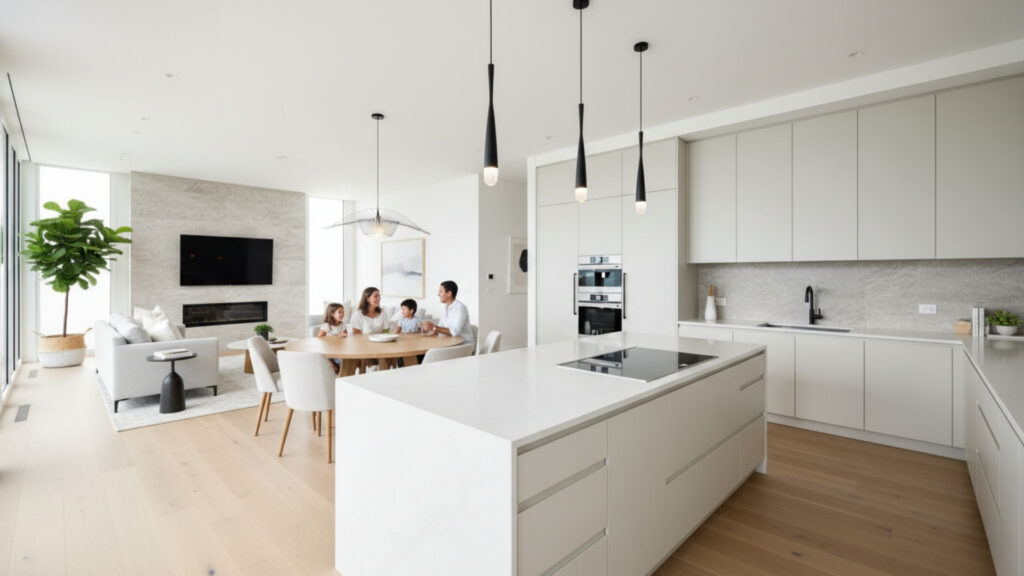
Kitchen placement is critical in floor plans for open concept living because it anchors the entire layout. Open kitchens often face living or dining areas, promoting connection and convenience. This positioning allows natural interaction while cooking and improves overall household functionality.
Well-planned kitchen layouts maintain clear work zones without disrupting flow. Islands and peninsulas help define boundaries subtly. Proper placement ensures the kitchen feels integrated rather than intrusive, supporting both visual harmony and daily efficiency.
Also Explore: 11 Stunning Pool Deck Plans To Inspire Your Dream Backyard
3. Dining Zones That Define Open Concept Floor Plans
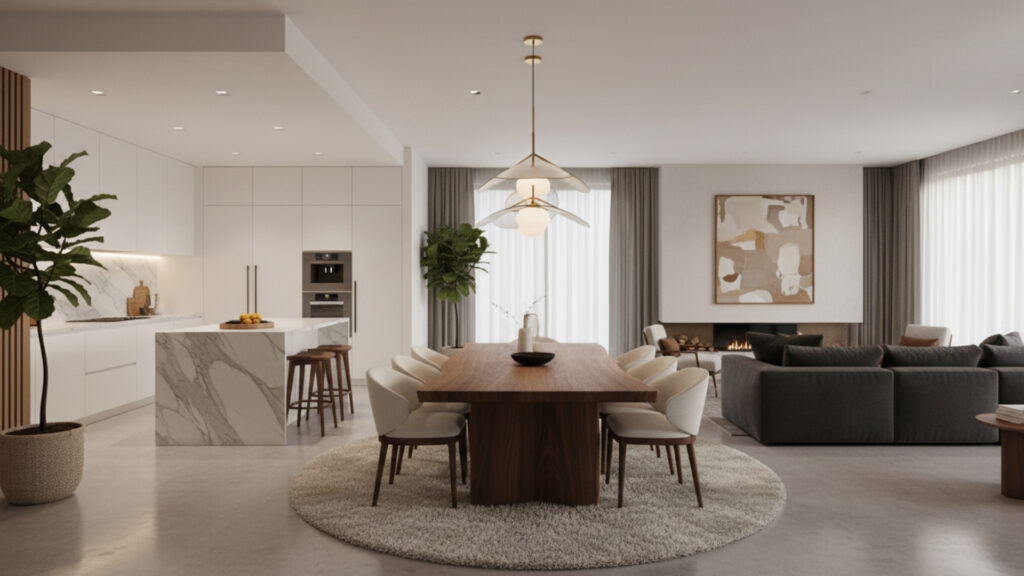
Dining areas act as transition spaces in floor plans for open concept living. Positioned between the kitchen and living room, dining zones help organize the layout while preserving openness. This placement maintains functional clarity without the need for walls or partitions.
Visual definition comes from lighting, rugs, or ceiling treatments. Dining zones anchor movement and prevent spatial confusion. When thoughtfully placed, dining areas enhance flow and maintain a structured yet open interior experience.
4. Furniture Zoning in Open Concept Floor Plans
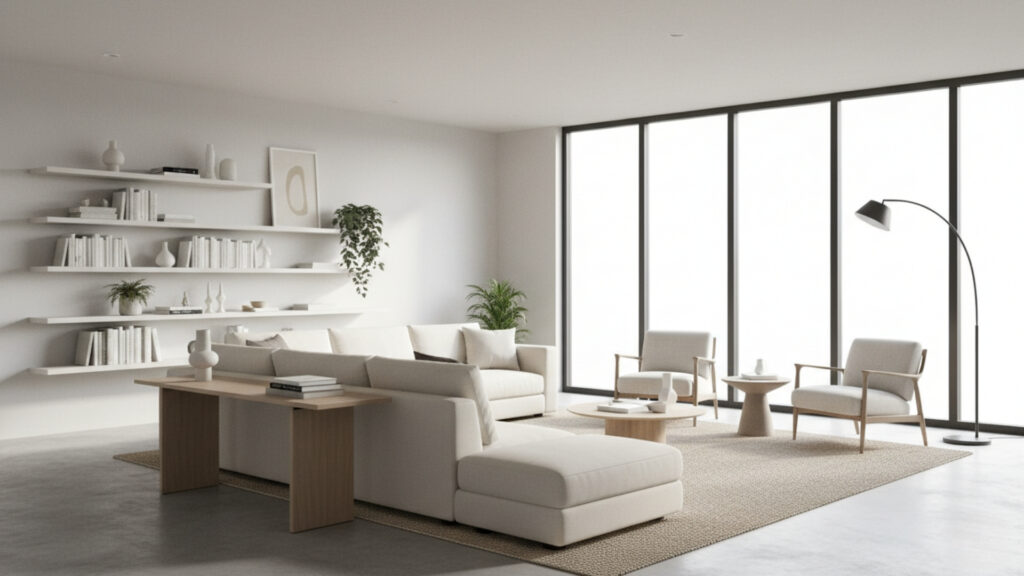
Furniture plays a defining role in floor plans for open concept living. Sofas, consoles, and shelving units subtly separate zones without blocking light or movement. This approach allows flexibility while maintaining spatial organization across shared areas.
Consistent furniture scale prevents overcrowding. Strategic placement ensures each zone feels intentional. Furniture zoning helps open layouts remain practical, visually calm, and adaptable to changing needs.
5. Traffic Flow Planning in Open Concept Floor Plans
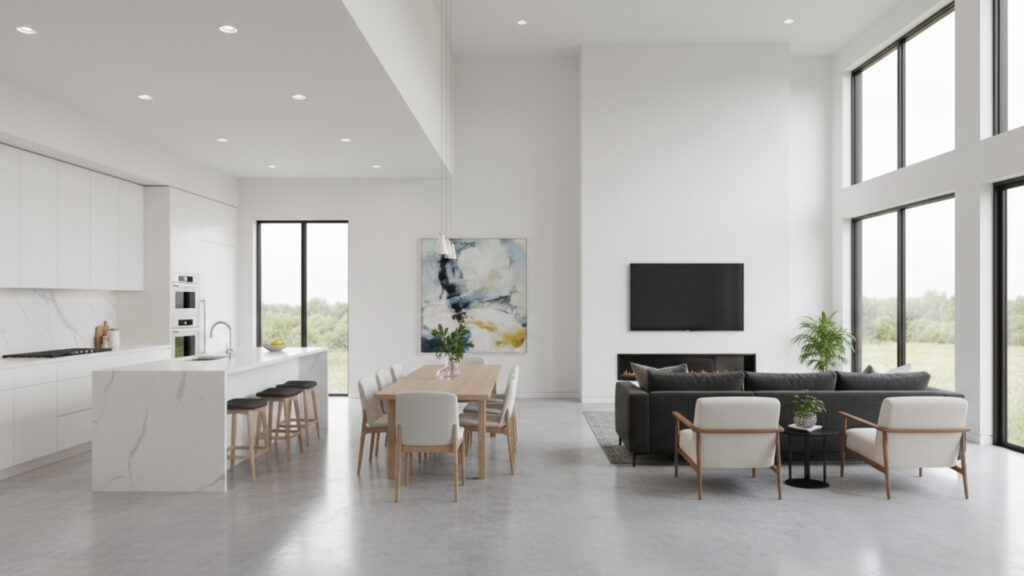
Efficient traffic flow is essential in floor plans for open concept living. Clear circulation paths prevent congestion and maintain comfort. Walkways should naturally guide movement between spaces without cutting through activity zones.
Thoughtful flow planning improves safety and usability. Maintaining uninterrupted pathways ensures the layout feels intuitive. Good circulation enhances openness while preserving functional boundaries within the shared space.
Also Explore: 9 Small Barndominium Ideas That Feel Bigger Than Ever
6. Ceiling Design Impact on Open Concept Floor Plans
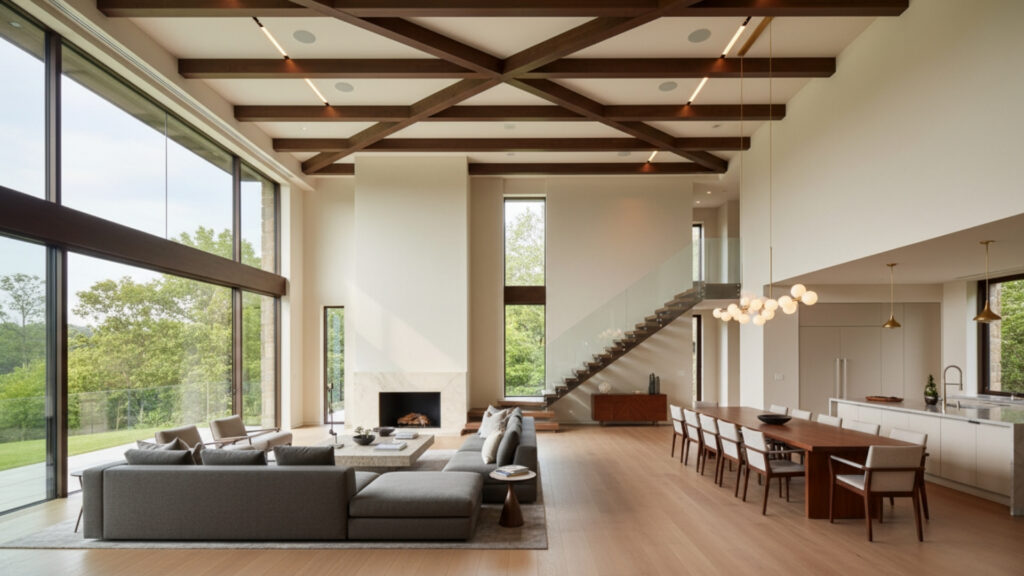
Ceilings strongly influence floor plans for open concept living by shaping visual proportions. Vaulted or consistent ceiling heights enhance openness and continuity. Ceiling treatments help define zones without introducing physical barriers.
Beams, lighting patterns, or subtle height changes create structure. These elements add interest while maintaining openness. Ceiling design supports balance and prevents large spaces from feeling undefined or overwhelming.
7. Natural Light Optimization in Open Concept Floor Plans
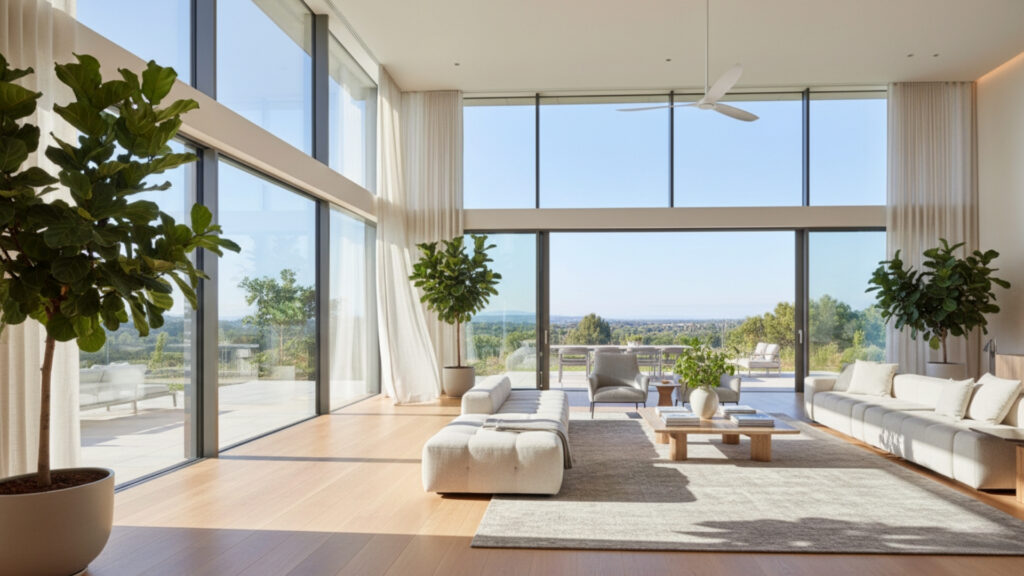
Natural light is a major advantage of floor plans for open concept living. Fewer walls allow light to travel freely, brightening interior spaces evenly. Large windows and open sightlines enhance energy efficiency and visual comfort.
Strategic window placement prevents glare and imbalance. Light distribution improves mood and spatial clarity. Optimized daylight strengthens the sense of openness and connection throughout the home.
8. Storage Integration in Open Concept Floor Plans
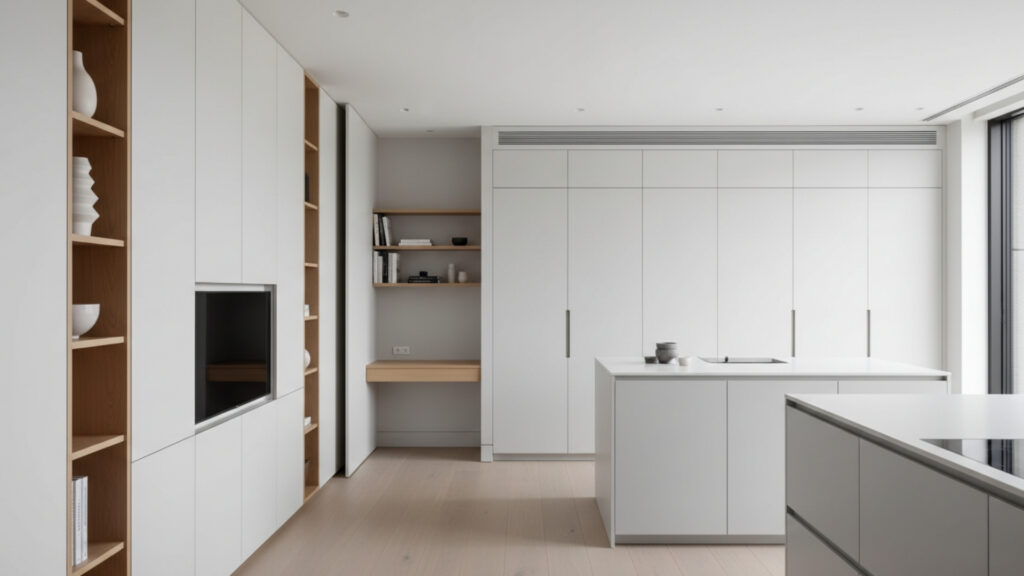
Storage must be intentional in floor plans for open concept living to prevent visual clutter. Built-in cabinetry, concealed storage, and multifunctional furniture maintain cleanliness while supporting daily use.
Integrated storage preserves openness without sacrificing practicality. Hidden solutions keep shared spaces calm and organized. Effective storage planning ensures long-term functionality within open layouts.
9. Open Concept Floor Plans for Small Homes
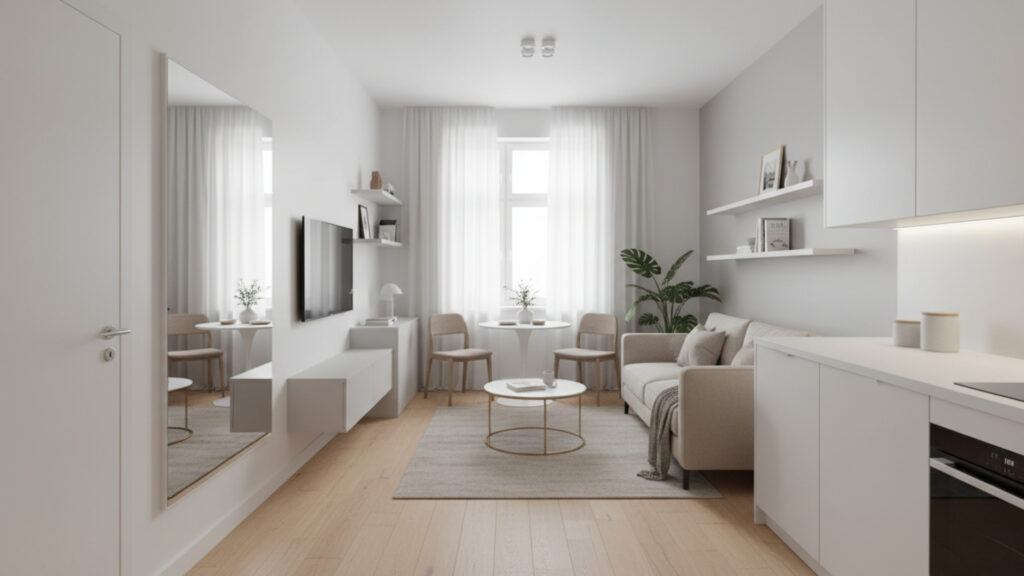
Floor plans for open concept living work exceptionally well in small homes. Removing walls creates the illusion of space and improves movement. Compact layouts benefit from flexibility and visual expansion.
Careful zoning prevents overcrowding. Multipurpose areas increase usability. Open plans allow small homes to feel airy, efficient, and modern without unnecessary structural complexity.
10. Open Concept Floor Plans With Defined Private Zones
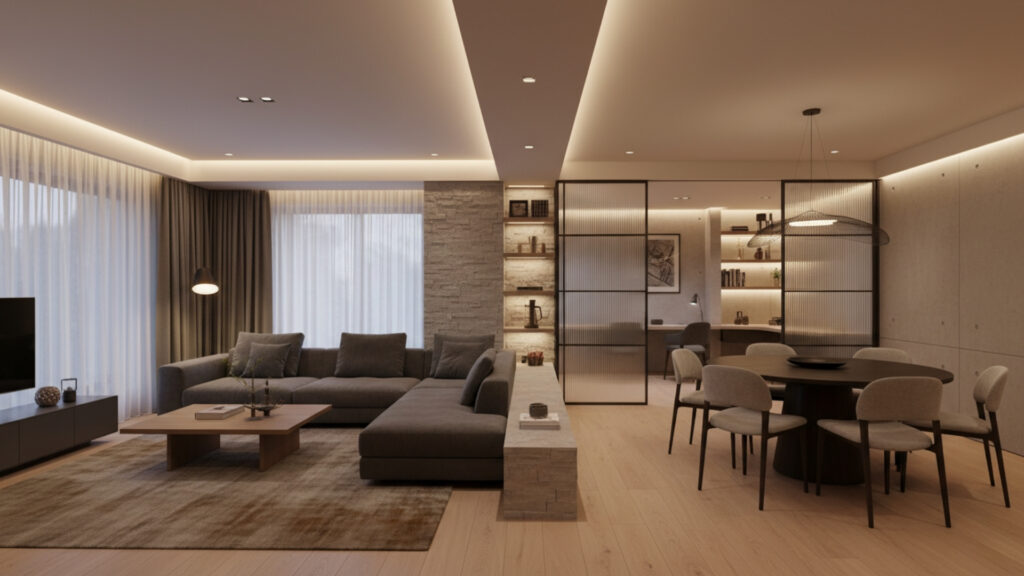
While openness is key, privacy still matters in floor plans for open concept living. Bedrooms, offices, and bathrooms should remain visually and acoustically separate. Strategic placement protects quiet zones from active areas.
Partial walls or layout orientation provide separation without isolation. Balancing privacy and openness ensures comfort. Thoughtful zoning supports both social and personal needs.
11. Material Consistency in Open Concept Floor Plans
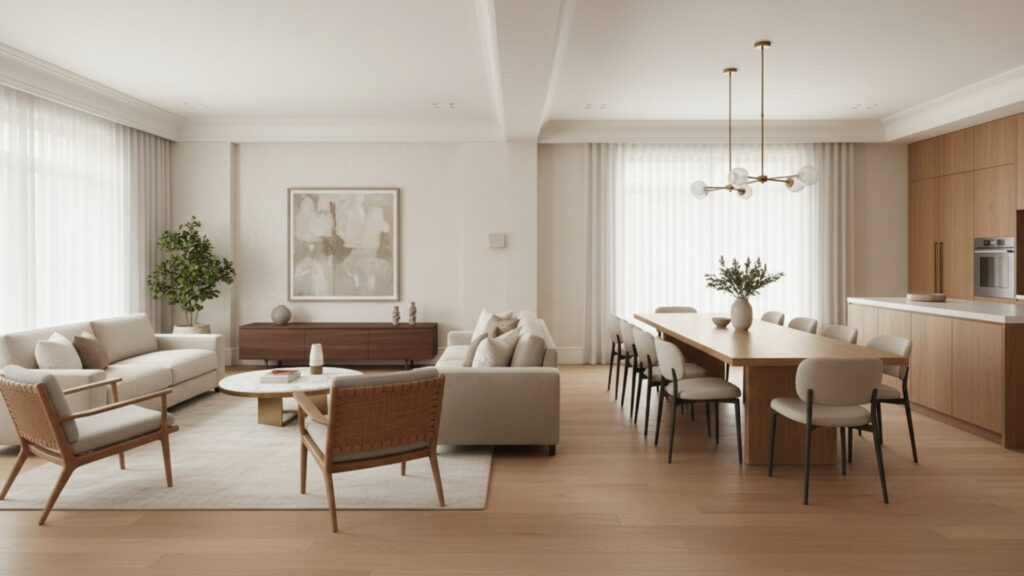
Material consistency strengthens floor plans for open concept living. Repeating flooring, finishes, and color palettes creates cohesion. This visual continuity prevents fragmentation across shared spaces.
Consistent materials guide the eye smoothly. They enhance calmness and balance. Uniform finishes support elegance and make open layouts feel intentional and complete.
12. Open Concept Floor Plans for Family Living
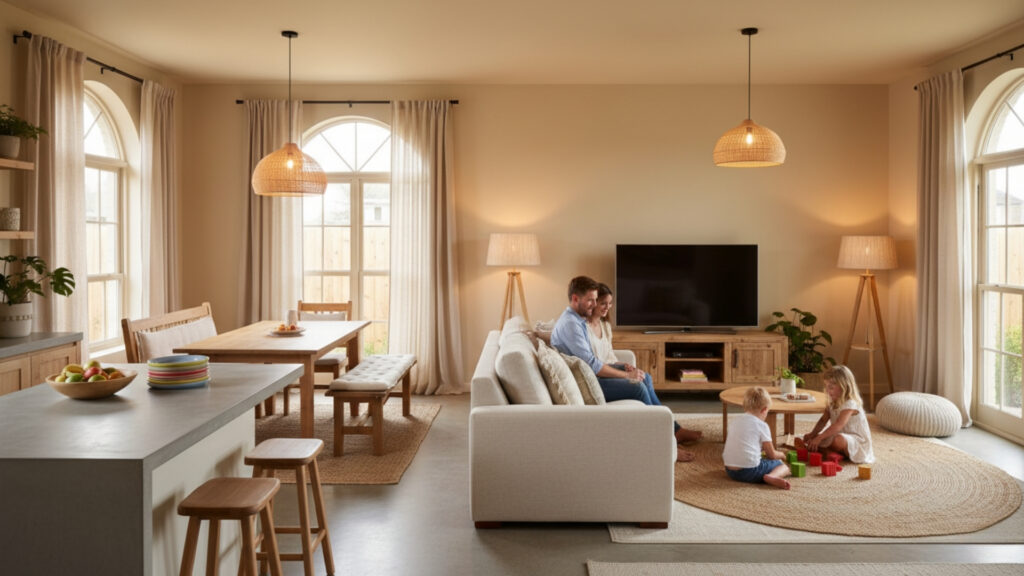
Family-focused floor plans for open concept living encourage interaction, visibility, and easy supervision. Shared spaces allow family members to stay connected while enjoying flexibility for different activities. Parents can cook, work, or relax while keeping an eye on children, creating a safe, practical, and welcoming home environment for life.
Durable materials and adaptable layouts increase the long-term value of open floor plans. Strong surfaces and flexible furniture choices allow the space to evolve as family needs change over time. This thoughtful design approach supports comfort, everyday functionality, and togetherness while ensuring the home remains practical, welcoming, and easy to maintain for years to come.
13. Modern Design Elements in Open Concept Floor Plans
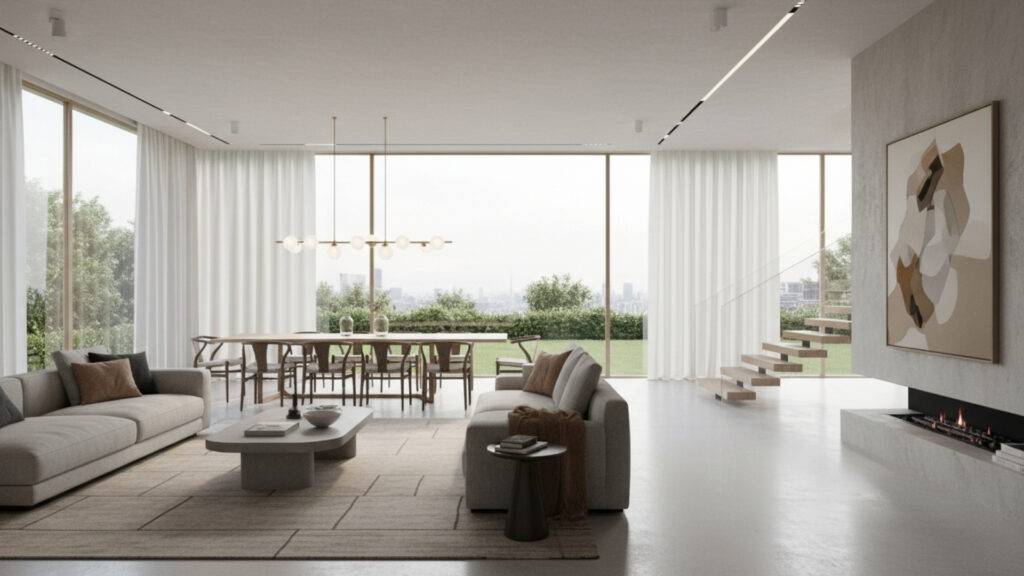
Modern aesthetics align naturally with floor plans for open concept living. Clean lines, minimal detailing, and open layouts complement each other. Modern elements emphasize clarity and simplicity.
Balanced design prevents open spaces from feeling cold or impersonal. Warm textures such as wood, soft fabrics, and layered finishes help maintain comfort and visual warmth. When thoughtfully combined, modern open floor plans feel refined, practical, and visually harmonious while still remaining inviting and livable for everyday life.
14. Maintaining Balance in Floor Plans for Open Concept Living
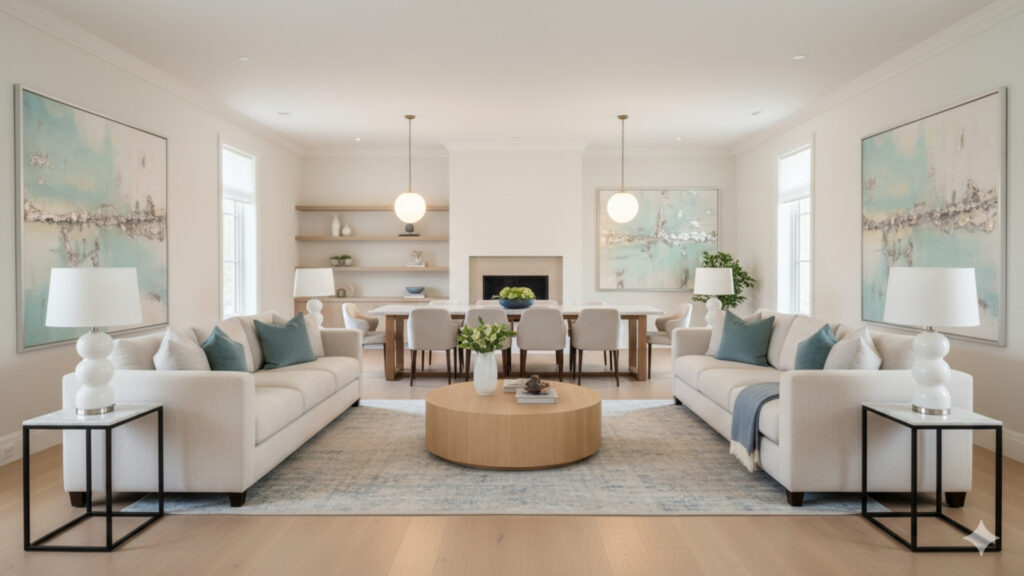
Balance is essential in open concept floor plans because it prevents visual clutter and confusion. Using proportion, symmetry, and repetition helps each zone feel intentional and well-connected. When furniture size, layout, and spacing work together, the space feels organized, calm, and visually appealing without looking overcrowded or disconnected.
Gradual updates help maintain harmony in open layouts and prevent the space from feeling overwhelming. Consistent colors, materials, and design elements create long-term satisfaction. Balanced planning ensures every area flows naturally while remaining functional, elegant, and comfortable for everyday living.
Summary
Floor plans for open concept living emphasize flow, light, and functional zoning. Strategic placement of kitchens, dining areas, and furniture creates clarity without walls. Thoughtful traffic flow, storage integration, and material consistency maintain balance. When designed intentionally, open concept floor plans deliver spacious, adaptable, and modern homes that support daily life beautifully.

