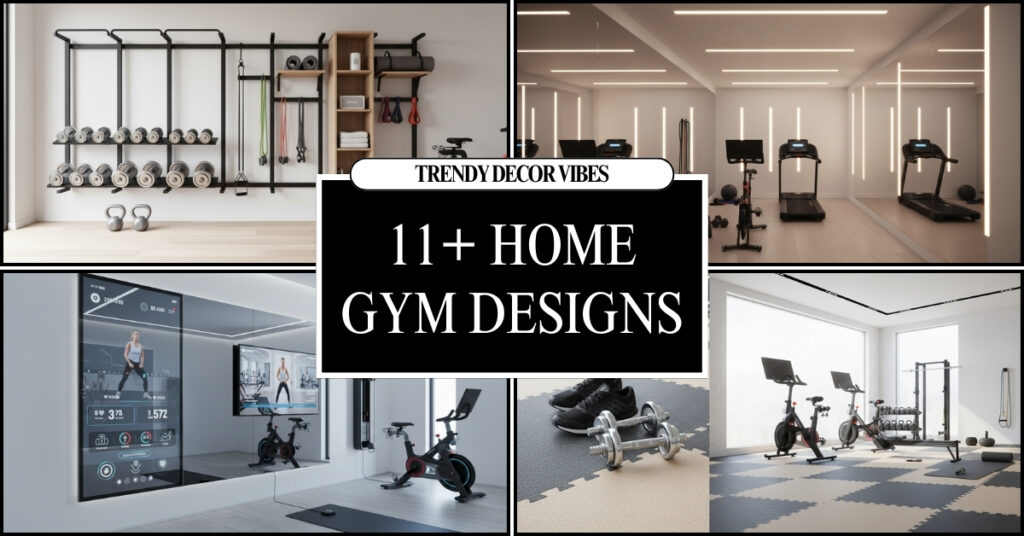
Home gym designs focus on creating a dedicated environment that encourages consistency, comfort, and motivation. A well-designed home gym eliminates common barriers such as travel time, overcrowding, and lack of privacy. By designing a space that suits personal fitness routines, workouts become more efficient and enjoyable, supporting long-term health goals.
Effective home gym designs balance functionality with atmosphere. Layout, lighting, flooring, and storage all influence how the space feels and performs. When equipment placement and visual elements work together, the gym becomes an inspiring zone that promotes focus, discipline, and physical well-being throughout daily routines.
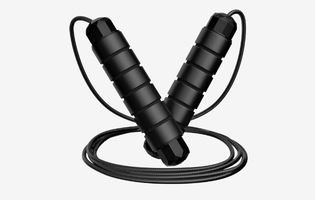
Jump Rope with Foam Handles for Home Gym Exercise Fitness
- Adult, Kid
- Adjustable Length
- Exercise and Fitness
- Alloy Steel
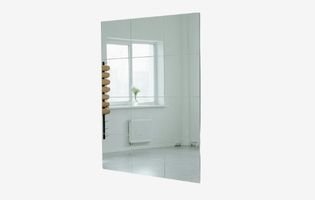
Home Gym Mirrors 12 Inch x 12Pcs Wall Mounted
- Material Glass
- Hallway
- 12″L x 12″W
- Square

1. Choosing the Right Location for Practical Home Gym Designs
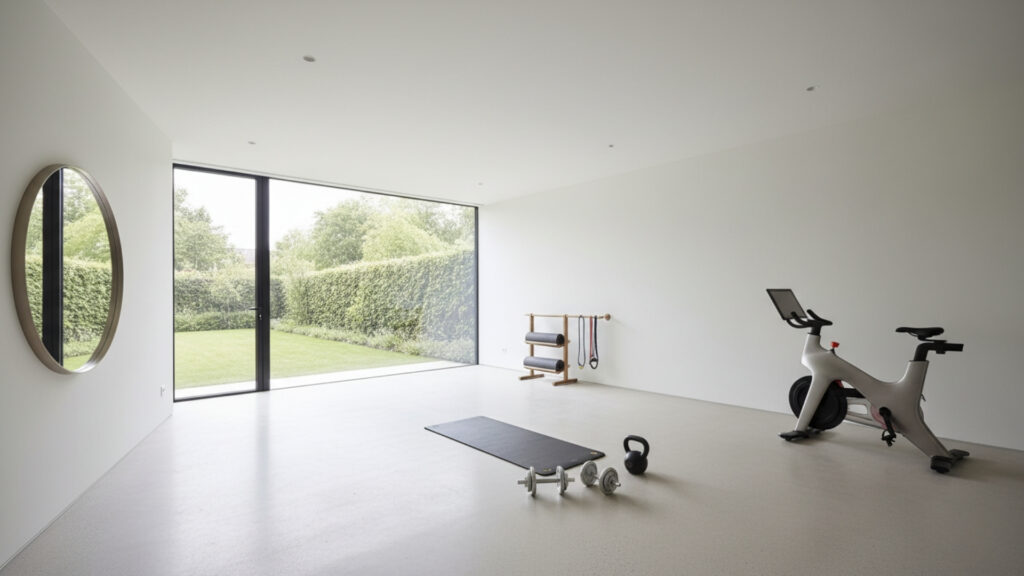
Selecting the correct location is foundational in successful home gym designs. Spare rooms, basements, garages, or unused corners can all function well when planned properly. The chosen area should allow freedom of movement, proper ventilation, and minimal household disruption during workouts.
A well-positioned gym space improves consistency and safety. Natural light, ceiling height, and proximity to storage all affect usability. Choosing a location that feels separate from daily living areas helps mentally shift into workout mode, reinforcing routine and motivation through intentional spatial design.
2. Space Planning Strategies for Efficient Home Gym Designs
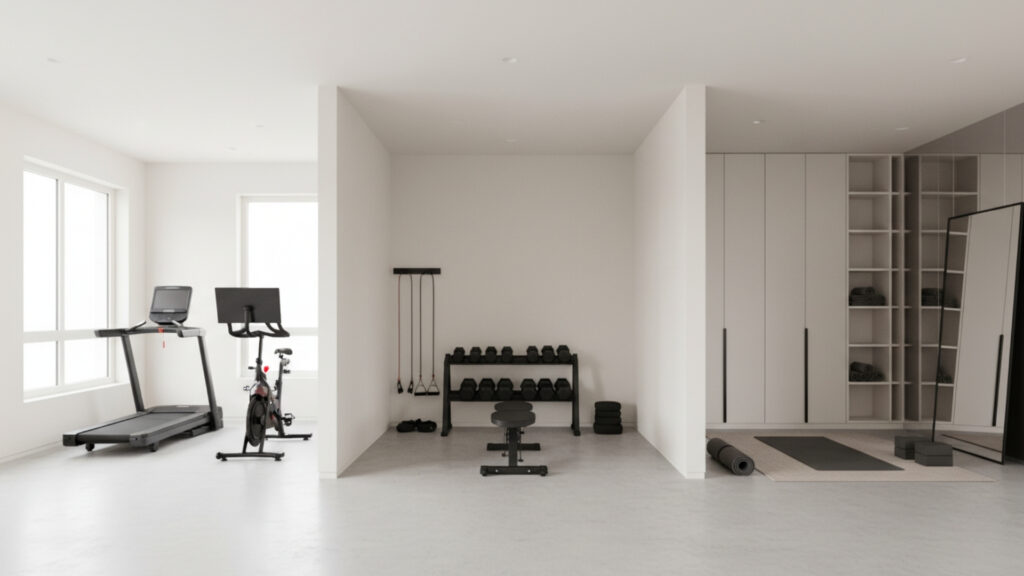
Smart space planning ensures home gym designs remain functional regardless of room size. Zoning areas for cardio, strength training, and stretching prevents clutter and improves workout flow. Clear pathways reduce injury risks while supporting smooth transitions between exercises.
Vertical storage and foldable equipment maximize limited space. Planning layouts around movement patterns rather than equipment size creates flexibility. Well-organized space planning allows the gym to adapt as fitness needs evolve, maintaining efficiency and visual balance over time.
Also Explore: 12 Home Gym Color Palettes That Inspire Energy and Focus Now
3. Flooring Options That Support Safe Home Gym Designs
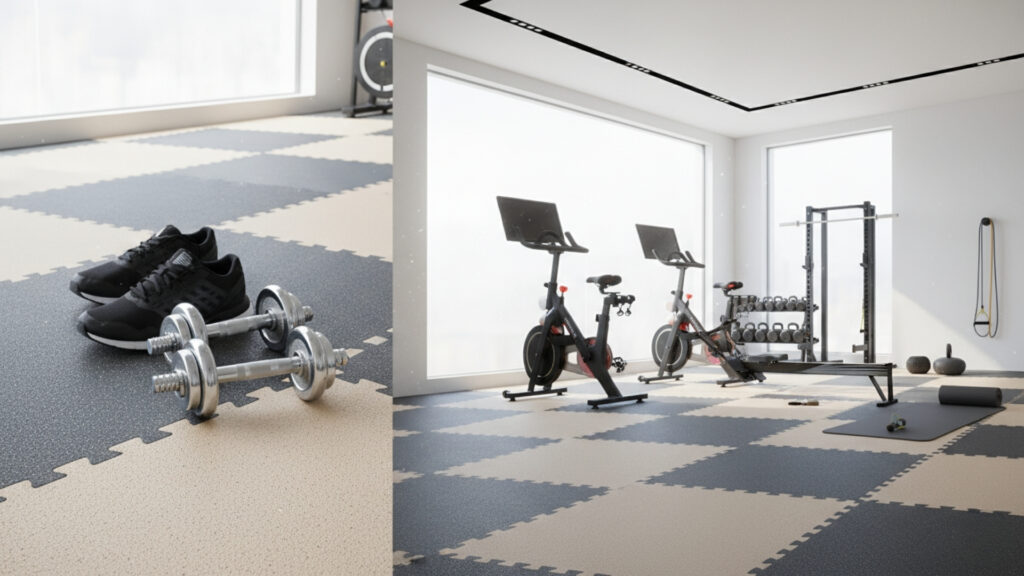
Flooring is a critical component of home gym designs because it impacts comfort, safety, and durability. Rubber flooring, foam tiles, or vinyl surfaces provide shock absorption and protect joints during workouts. Proper flooring also prevents damage to the home’s structure.
Slip resistance and noise reduction are key benefits of gym-specific flooring. Choosing easy-to-clean materials maintains hygiene and longevity. Flooring that supports equipment weight and movement ensures the gym remains safe and functional for varied workout styles.
4. Lighting Solutions That Enhance Home Gym Designs
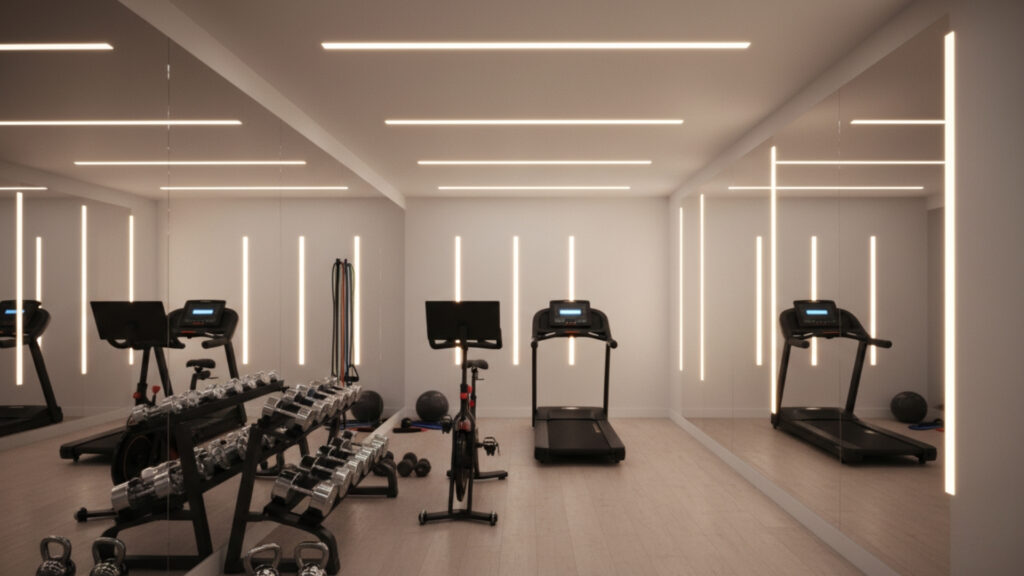
Lighting influences energy levels and focus in home gym designs. Bright, evenly distributed lighting improves visibility and reduces eye strain during workouts. Natural light enhances mood and motivation, making exercise feel more enjoyable and less confined.
Layered lighting solutions provide flexibility for different training needs. Overhead lights ensure clarity, while accent lighting adds atmosphere. Proper lighting transforms the gym into a stimulating space that supports performance and consistency throughout fitness routines.
5. Ventilation and Airflow in Comfortable Home Gym Designs
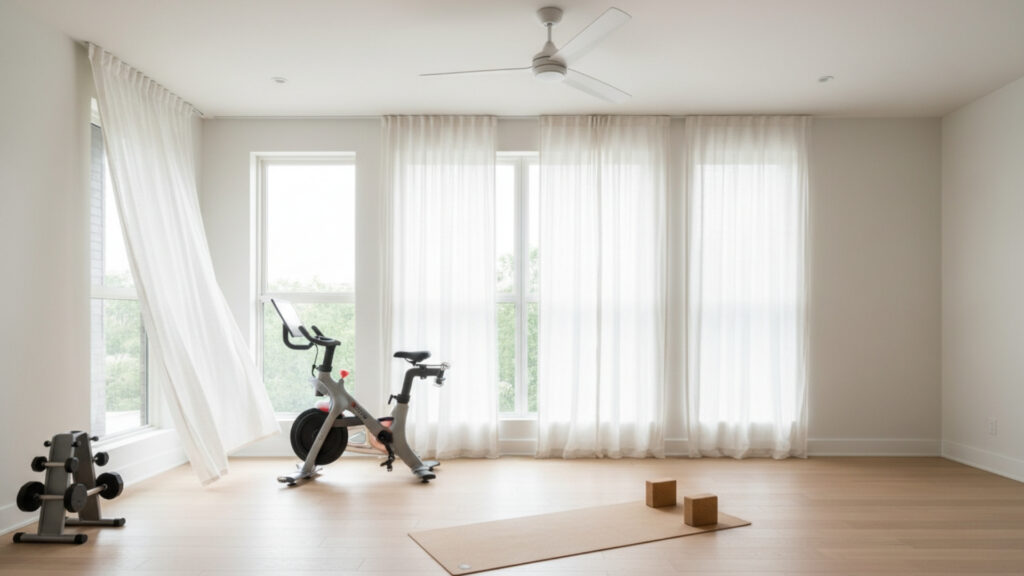
Ventilation plays a vital role in maintaining comfort within home gym designs. Proper airflow reduces heat buildup and prevents stale air, creating a healthier workout environment. Fans, open windows, or ventilation systems help regulate temperature during intense sessions.
Good air circulation supports endurance and recovery. Fresh air improves breathing efficiency and overall workout experience. Designing airflow intentionally ensures the gym remains inviting and usable year-round, regardless of workout intensity.
6. Storage Solutions That Keep Home Gym Designs Organized
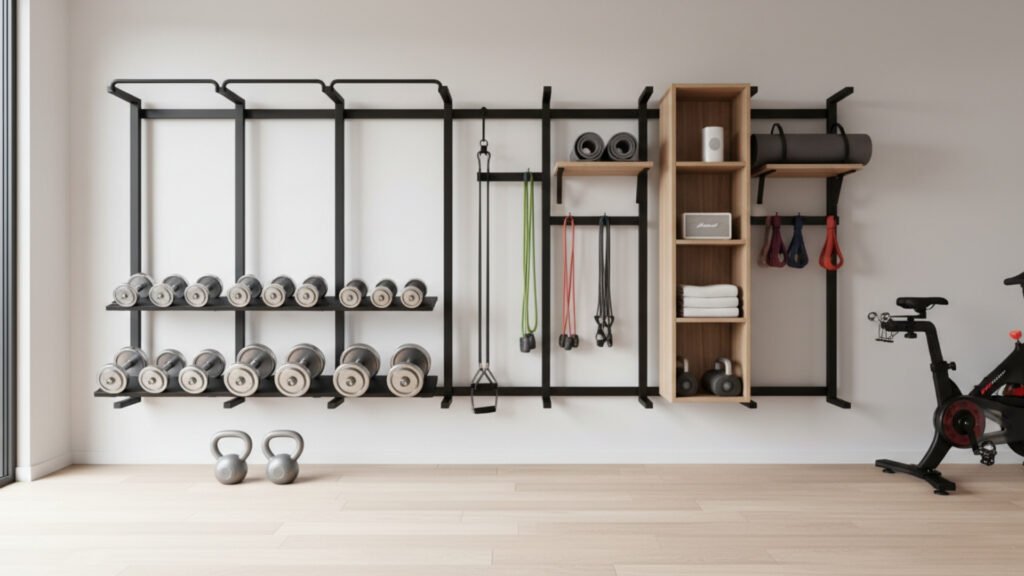
Organization is essential for effective home gym designs. Storage solutions such as wall racks, shelves, and cabinets keep equipment accessible and clutter-free. Organized spaces reduce distractions and improve workout efficiency.
Designated storage areas protect equipment and extend its lifespan. Clear organization supports safety and maintains visual order. A tidy gym environment encourages regular use and reinforces discipline through structure and cleanliness.
7. Equipment Selection for Balanced Home Gym Designs
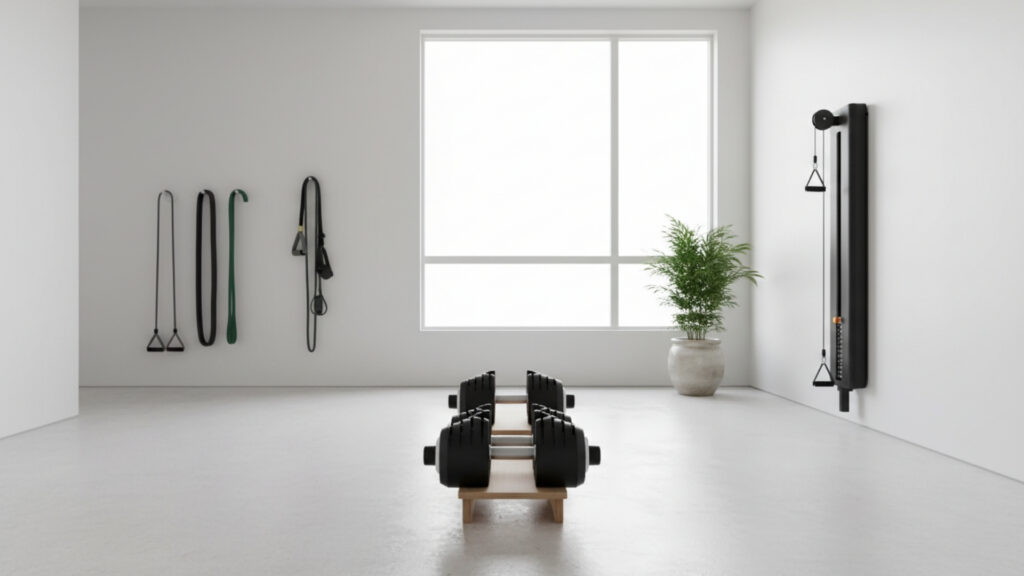
Choosing appropriate equipment ensures home gym designs meet personal fitness goals. Multipurpose equipment saves space while offering workout variety. Resistance bands, adjustable dumbbells, and compact machines provide flexibility without overcrowding.
Selecting equipment based on routine rather than trends improves long-term satisfaction. Balanced equipment choices support strength, cardio, and mobility. Thoughtful selection keeps the gym adaptable and aligned with evolving fitness needs.
8. Mirror Placement to Improve Home Gym Designs
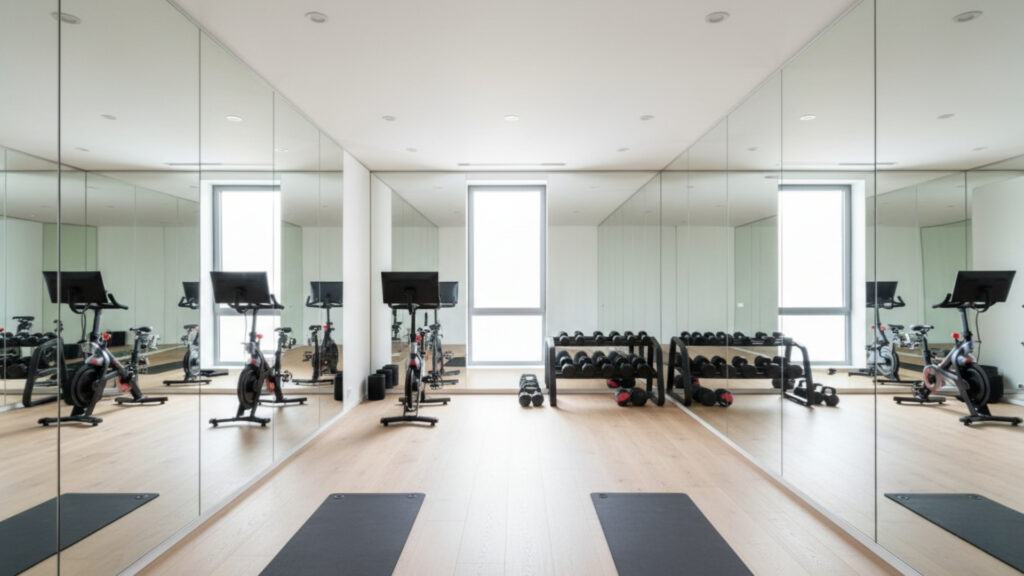
Mirrors enhance home gym designs by improving form awareness and spatial perception. Properly placed mirrors allow users to monitor posture and movement during exercises, reducing injury risks. Mirrors also reflect light, making the space feel larger.
Wall-mounted mirrors maintain safety and stability. Visual openness improves motivation and confidence. Mirrors contribute both functional and aesthetic value, supporting performance and mental engagement during workouts.
9. Sound and Acoustics in Motivating Home Gym Designs
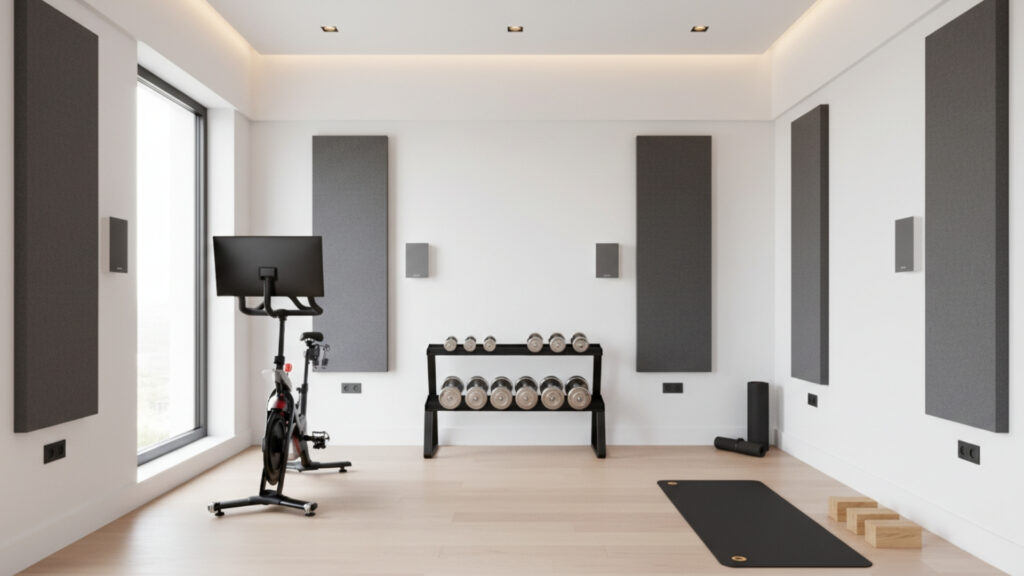
Sound management influences focus in home gym designs. Music enhances motivation, rhythm, and endurance during workouts. Quality speakers or sound systems improve audio clarity without disturbing the rest of the home.
Acoustic considerations reduce echo and noise transfer. Soft surfaces and wall panels help control sound. Balanced acoustics create an immersive workout experience while maintaining harmony within shared living spaces.
10. Personalization Elements in Inspiring Home Gym Designs
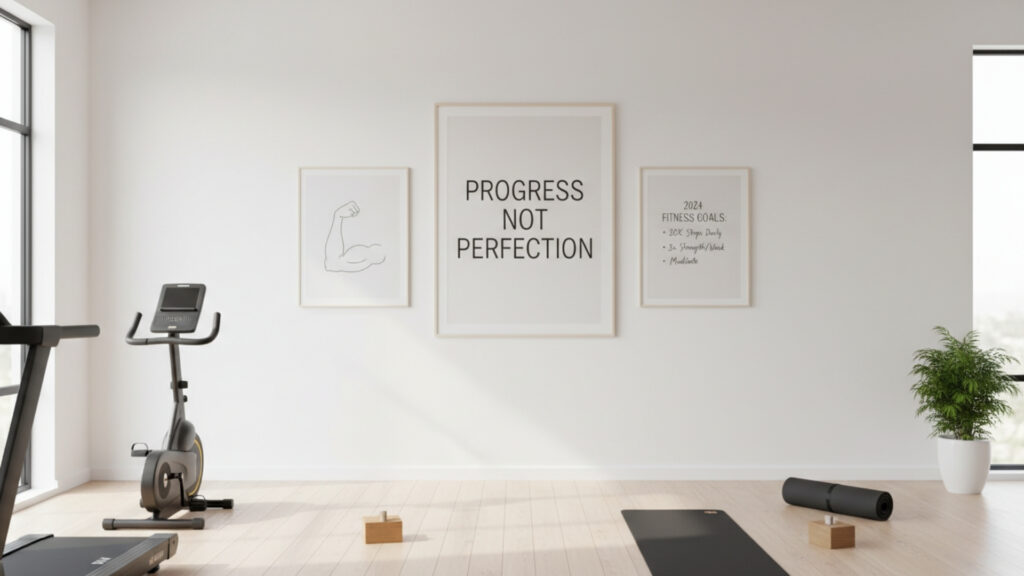
Personalization makes home gym designs emotionally engaging. Motivational quotes, preferred colors, and personal achievements add meaning to the space. These elements reinforce commitment and emotional connection to fitness goals.
Customized decor should remain minimal to avoid distraction. Thoughtful personalization enhances motivation without clutter. A gym that reflects individual identity encourages consistency and long-term engagement with fitness routines.
11. Technology Integration in Modern Home Gym Designs
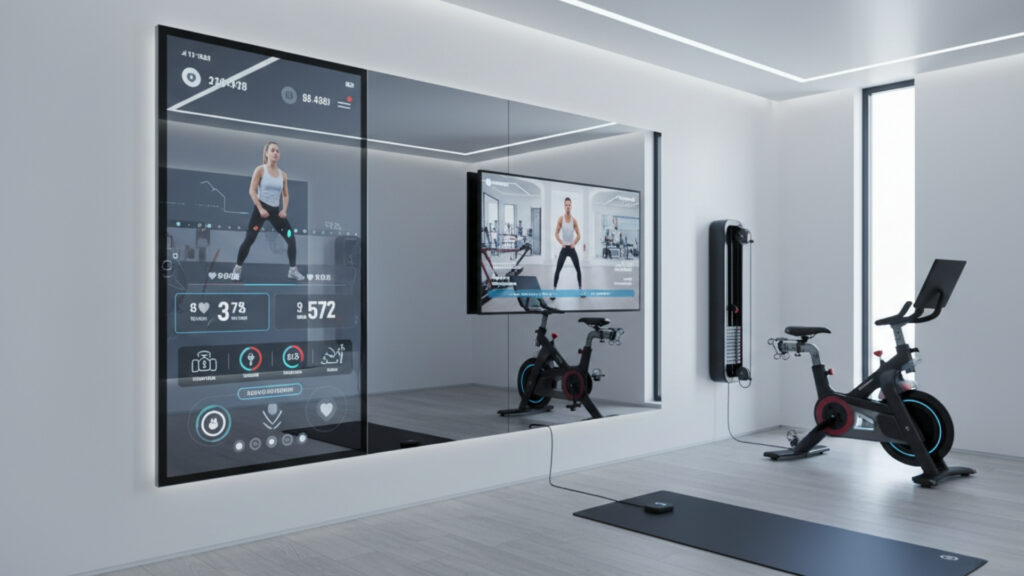
Technology enhances convenience and performance in modern home gym designs. Smart mirrors, fitness apps, and screens support guided workouts and progress tracking. Integrated technology keeps training structured and measurable.
Wireless connectivity and device mounts improve usability. Technology should support workouts without overwhelming the space. When used intentionally, tech integration elevates efficiency and engagement within the home gym environment.
12. Maintaining Consistency in Functional Home Gym Designs
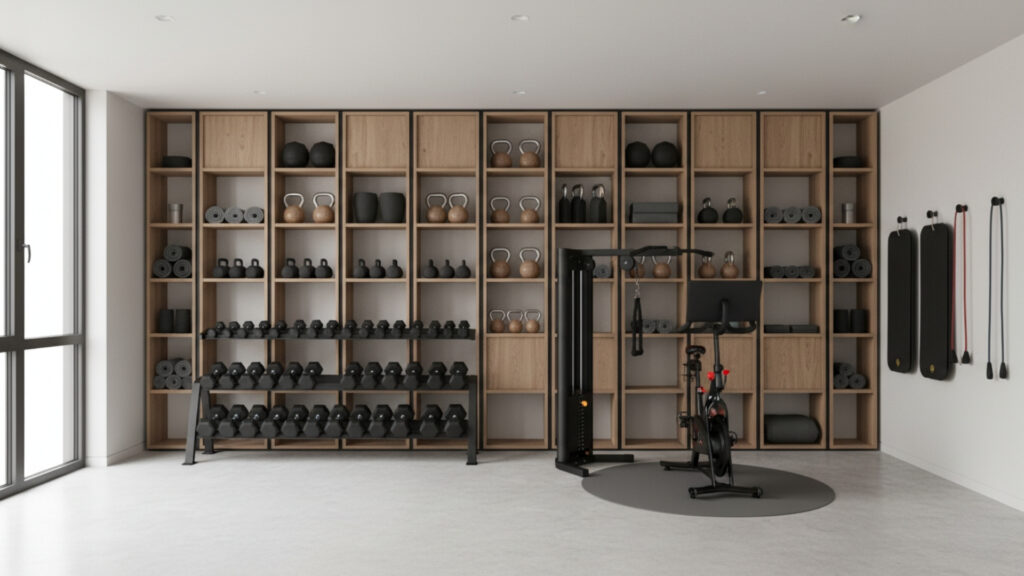
Consistency ensures home gym designs remain effective over time. Repeating materials, colors, and storage systems creates visual harmony. A cohesive design supports mental clarity and reduces visual distraction during workouts.
Gradual upgrades maintain balance and functionality. Consistent design choices allow flexibility without disruption. Maintaining structure ensures the home gym continues to support health goals with stability and motivation.
Summary
Home gym designs combine functionality, comfort, and motivation to support consistent fitness routines. Thoughtful planning, proper flooring, lighting, ventilation, and storage enhance performance and safety. Personalization and technology add engagement, while consistent design ensures long-term usability. A well-designed home gym transforms fitness into a sustainable and empowering daily habit.